Showing posts with label healthyliving. Show all posts

Sunday, 26 July 2026

The Treatment of Karkidaka for Healing and Rejuvenation

The Treatment of Karkidaka for Healing and Rejuvenation

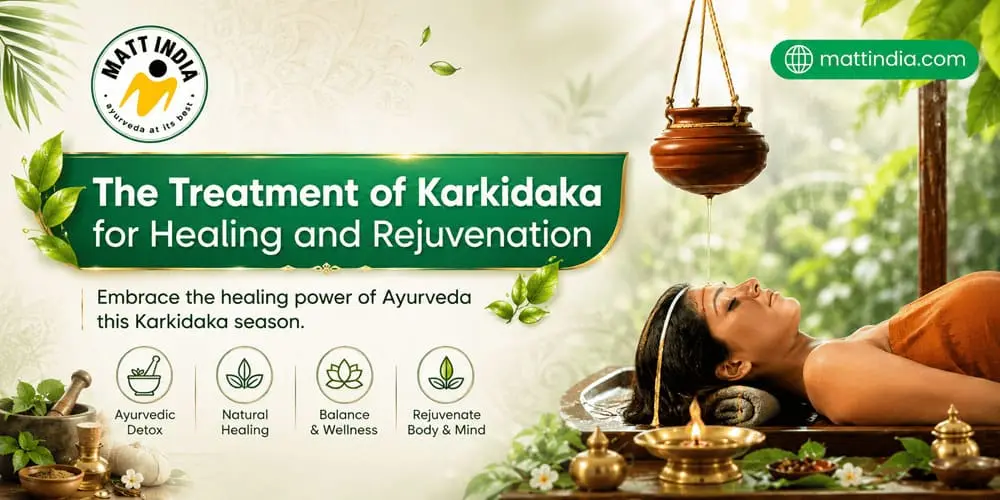
The Treatment of Karkidaka for Healing and Rejuvenation. The monsoon season brings cool weather and refreshing rain, yet it also affects the body's natural balance. According to Ayurveda, Karkidaka Chikitsa—also known as Karkidaka Treatment—is one of the most effective seasonal therapies for cleansing, strengthening, and rejuvenating the body. Practiced during the Malayalam month of Karkidakam, this traditional healing approach prepares the body to resist seasonal illnesses while restoring physical and mental well-being.

At MATT INDIA AYURVEDA, we believe that true healing begins with prevention. Therefore, The Treatment of Karkidaka for Healing and Rejuvenation combines detoxification therapies, herbal medicines, nourishing diets, and lifestyle guidance to help individuals regain balance naturally. Whether you want to improve immunity, manage stress, or simply feel refreshed, Karkidaka therapy offers a holistic path toward better health.

What Is Karkidaka Treatment?

Karkidaka Treatment is a seasonal Ayurvedic wellness program traditionally followed during the monsoon. Ayurveda explains that digestive fire, known as Agni, becomes weaker during this period, while Vata Dosha tends to increase. As a result, toxins may accumulate in the body, making people more vulnerable to fatigue, joint discomfort, digestive issues, and infections.

Therefore, Karkidaka therapy focuses on:

  • Detoxifying the body
  • Improving digestion
  • Strengthening immunity
  • Rejuvenating body tissues
  • Restoring mental balance
  • Preventing seasonal illnesses

Rather than treating only symptoms, this therapy aims to improve overall health from within.

Why Is Karkidaka Considered the Best Time for Ayurveda?

The rainy season naturally opens the body's channels, making Ayurvedic treatments more effective. Additionally, the body responds better to herbal medicines and therapeutic massages during this period.

Some important reasons include:

  • Better absorption of herbal oils
  • Easier toxin elimination
  • Improved response to detox therapies
  • Enhanced tissue nourishment
  • Greater relaxation of muscles and joints

Consequently, many Ayurvedic physicians recommend monsoon as the ideal season for rejuvenation therapies.

Major Components of Karkidaka Treatment

Although every treatment plan is personalized, most Karkidaka wellness programs include several traditional therapies.

1. Abhyanga (Herbal Oil Massage)

Abhyanga is a full-body massage using warm medicated oils selected according to an individual's body constitution.

Benefits include:

  • Improves blood circulation
  • Reduces muscle stiffness
  • Relieves stress
  • Nourishes the skin
  • Supports joint flexibility

Moreover, regular oil massage helps calm the nervous system and promotes better sleep.

2. Swedana (Herbal Steam Therapy)

After the massage, herbal steam therapy is often recommended.

This treatment helps:

  • Open body channels
  • Eliminate toxins
  • Reduce body pain
  • Improve flexibility
  • Relax muscles naturally

Together, Abhyanga and Swedana create an effective detoxification process.

3. Panchakarma Detox

Depending on the individual's health condition, doctors may recommend selected Panchakarma procedures.

These therapies focus on removing accumulated toxins while restoring dosha balance.

Common Panchakarma procedures include:

  • Virechana
  • Basti
  • Nasya
  • Vamana (when appropriate)

However, these treatments should always be performed under qualified Ayurvedic supervision.

4. Karkidaka Kanji

One of the highlights of the season is Karkidaka Kanji, a traditional medicinal porridge prepared with rice, herbs, spices, and medicinal plants.

It helps:

  • Improve digestion
  • Increase strength
  • Boost immunity
  • Support recovery
  • Nourish body tissues

Families across Kerala have followed this tradition for generations.

5. Herbal Medicines

Doctors may prescribe personalized herbal formulations based on individual needs.

These medicines support:

  • Liver function
  • Digestion
  • Respiratory health
  • Joint health
  • Natural immunity

Importantly, Ayurvedic medicines should only be taken under professional guidance.

Related Articles:

» Why Kerala is the Best Destination for Ayurveda Treatments

» Ayurvedic Treatments for Back Pain and Spine Health

» Ayurveda for Skin: Natural Treatments for Radiant Skin

» How Ayurveda Helps You Achieve Mental Clarity and Peace?

» Ayurveda Treatment for Stress, Digestion and Overall Wellness

Common Health Conditions That Benefit

Many people choose Karkidaka Treatment to improve overall wellness. Additionally, it may support individuals experiencing:

  • Joint pain
  • Arthritis
  • Stress and anxiety
  • Chronic fatigue
  • Digestive discomfort
  • Sleep disturbances
  • Low immunity
  • Muscle stiffness
  • General weakness
  • Lifestyle-related health concerns

Since every individual is different, treatment plans are customized after consultation.

Benefits of Karkidaka Treatment

The holistic approach offers multiple health advantages.

BenefitHow It Helps
DetoxificationRemoves accumulated toxins naturally
Better ImmunityHelps the body resist seasonal infections
Improved DigestionStrengthens digestive fire (Agni)
Stress ReliefPromotes relaxation and emotional balance
Joint CareSupports flexibility and reduces stiffness
Better SleepCalms the nervous system
Increased EnergyRestores physical strength and vitality
Healthy SkinNourishes and hydrates naturally

Who Can Consider Karkidaka Therapy?

This seasonal wellness program may benefit:

  • Working professionals
  • Senior citizens
  • Individuals with sedentary lifestyles
  • People recovering from prolonged fatigue
  • Athletes seeking recovery
  • Individuals with recurring seasonal illnesses
  • Those interested in preventive healthcare

However, pregnant women, young children, and individuals with certain medical conditions should undergo treatment only after proper consultation.

Healthy Lifestyle During Karkidakam

Treatment becomes even more effective when combined with healthy habits.

Doctors generally recommend:

  • Eating freshly prepared warm meals
  • Drinking warm water
  • Avoiding oily and processed foods
  • Sleeping on time
  • Practicing gentle yoga
  • Performing breathing exercises
  • Managing daily stress
  • Following prescribed herbal diets

These simple routines support the body's natural healing process.

Daily Practices for Better Results

PracticeExpected Benefit
Warm herbal waterSupports digestion
Gentle yogaImproves flexibility
MeditationReduces stress
Oil massageNourishes muscles and joints
Herbal dietSupports detoxification
Adequate sleepEnhances recovery

How Long Does Karkidaka Treatment Last?

The duration varies according to individual health goals.

Many wellness programs range from:

  • 7 days
  • 14 days
  • 21 days
  • 28 days

Longer programs are often recommended for individuals requiring deeper rejuvenation or comprehensive detoxification.

Why Choose MATT INDIA AYURVEDA?

At MATT INDIA AYURVEDA, we combine authentic Ayurvedic wisdom with personalized patient care. Every treatment begins with a detailed consultation to understand your body constitution (Prakriti), health concerns, and wellness goals.

Our approach includes:

  • Experienced Ayurvedic practitioners
  • Authentic herbal medicines
  • Personalized treatment plans
  • Traditional Kerala therapies
  • Comfortable healing environment
  • Holistic wellness guidance
  • Focus on prevention as well as recovery

Our goal is not simply temporary relief but lasting health through natural healing.

Conclusion

The Treatment of Karkidaka for Healing and Rejuvenation represents one of Ayurveda's most respected seasonal wellness traditions. By combining detoxification, herbal therapies, nourishing diets, and rejuvenating treatments, it helps restore balance, strengthen immunity, and improve overall well-being. Moreover, following this therapy during the monsoon allows the body to respond more effectively to natural healing practices.

At MATT INDIA AYURVEDA, we are committed to delivering authentic Karkidaka Chikitsa tailored to your individual needs. Whether you want to revitalize your body, reduce seasonal discomfort, or embrace preventive healthcare, our experienced team is here to guide you on your journey toward long-lasting health and wellness.

Social:

https://in.pinterest.com/pin/395261304820599884/

https://x.com/matt_india/status/2081612656495215098

https://www.linkedin.com/feed/update/urn:li:share:7487379263919325184/

https://www.linkedin.com/feed/update/urn:li:share:7487379690651820032/

https://www.facebook.com/ayurvedictreatmentcentre/posts/pfbid02oEv639Phbvga138r3rgF1ih2AXUMbt37JN4aXeiJWa7j2Mb6gj1Hrgok4vQyeFR8l

Wednesday, 15 July 2026

How Ayurveda Helps You Reconnect With Yourself

How Ayurveda Helps You Reconnect With Yourself

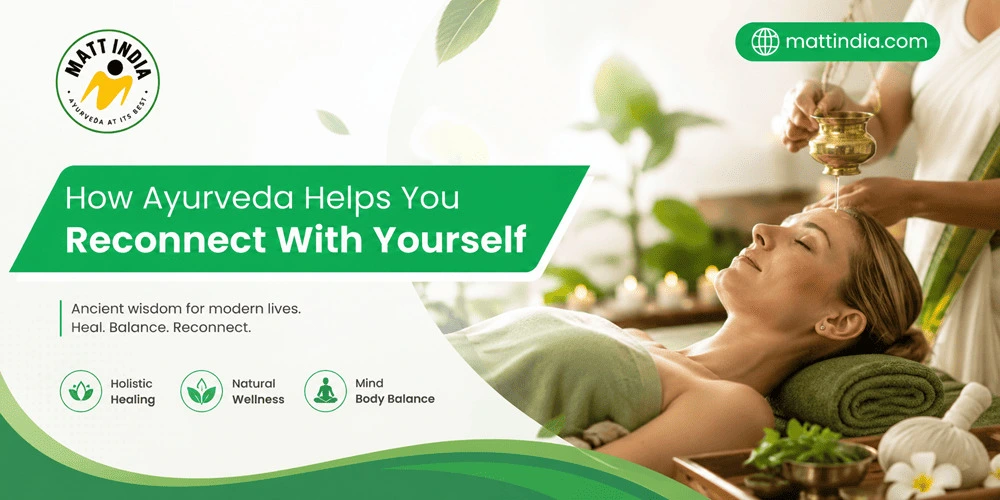
How Ayurveda Helps You Reconnect With Yourself. Modern life moves quickly. Deadlines, constant notifications, unhealthy eating habits, and long working hours often leave us feeling physically exhausted and emotionally disconnected. Many people notice that even after taking a holiday or getting enough sleep, they still don't feel refreshed. This is where Ayurveda offers a different perspective. Rather than treating only symptoms, Ayurveda focuses on restoring harmony between the body, mind, and spirit.

At MATT INDIA AYURVEDA, we believe true wellness begins when you reconnect with yourself. Through personalised Ayurvedic treatments, natural therapies, mindful routines, and balanced nutrition, Ayurveda helps you rediscover inner peace while improving overall health.

What Does It Mean to Reconnect With Yourself?

Reconnecting with yourself means becoming more aware of your body, emotions, thoughts, and daily habits. It involves understanding what your body needs instead of simply reacting to stress or fatigue.

When you reconnect with yourself, you may notice:

  • Better emotional balance
  • Improved sleep quality
  • Increased energy levels
  • Greater mental clarity
  • Reduced stress
  • Stronger self-confidence
  • Healthier daily choices

Therefore, self-awareness becomes the first step towards long-lasting wellness.

Understanding Ayurveda's Holistic Philosophy

Ayurveda, which translates to "the science of life," has guided healthy living for thousands of years. Unlike temporary wellness trends, Ayurveda encourages balance through natural methods that suit each individual's unique body constitution.

Instead of asking, "What illness do you have?" Ayurveda asks, "What has caused your imbalance?"

Consequently, treatment focuses on correcting the root cause rather than simply managing symptoms.

The Three Doshas in Ayurveda

According to Ayurveda, every person has a unique combination of three natural energies called doshas.

DoshaMain QualitiesWhen Balanced
VataMovement and creativityCalm, energetic, flexible
PittaDigestion and metabolismFocused, confident, motivated
KaphaStability and strengthPatient, strong, compassionate

When these doshas stay balanced, both physical and emotional health improve naturally.

How Ayurveda Supports Self-Reconnection

1. Encourages Mindful Living

Many people spend their days multitasking. As a result, they rarely notice what their body is trying to communicate.

Ayurveda encourages slowing down by practising:

  • Mindful eating
  • Conscious breathing
  • Daily self-reflection
  • Proper sleep routines

Gradually, these habits strengthen the connection between your body and mind.

2. Restores Natural Balance

Poor lifestyle habits often disturb the body's internal balance.

Common causes include:

  • Irregular meals
  • Excessive screen time
  • Lack of exercise
  • Emotional stress
  • Poor sleep

Fortunately, Ayurvedic therapies help restore balance through personalised treatments and natural healing methods.

3. Reduces Physical and Mental Stress

Stress affects every part of the body.

It may contribute to:

  • Muscle tension
  • Digestive discomfort
  • Headaches
  • Anxiety
  • Fatigue

Therefore, Ayurveda combines herbal remedies, therapeutic massages, meditation, and breathing techniques to calm both the body and mind.

4. Improves Digestive Health

Ayurveda considers digestion the foundation of good health.

When digestion becomes weak, toxins may gradually accumulate in the body.

To improve digestive wellness, Ayurveda recommends:

  • Fresh seasonal foods
  • Warm meals
  • Herbal drinks
  • Regular meal timings
  • Mindful eating

Healthy digestion supports better energy, immunity, and emotional wellbeing.

The Role of Daily Routine in Ayurveda

One of Ayurveda's most valuable teachings is maintaining a consistent daily routine.

Simple practices include:

  • Waking up early
  • Drinking warm water
  • Gentle stretching or yoga
  • Meditation
  • Healthy breakfast
  • Regular sleep schedule

Although these habits seem simple, they create lasting improvements over time.

Related Articles:

» Why Kerala is the Best Destination for Ayurveda Treatments

» Ayurvedic Treatments for Back Pain and Spine Health

» Ayurveda for Skin: Natural Treatments for Radiant Skin

» How Ayurveda Helps You Achieve Mental Clarity and Peace?

» Ayurveda Treatment for Stress, Digestion and Overall Wellness

Benefits of an Ayurvedic Lifestyle

Lifestyle HabitPotential Benefit
Morning routineBetter energy
MeditationReduced stress
YogaImproved flexibility
Herbal nutritionBetter immunity
Oil massageRelaxation and circulation
Proper sleepMental clarity

Ayurvedic Therapies That Promote Inner Wellness

Several traditional therapies help restore physical and emotional balance.

Abhyanga (Herbal Oil Massage)

This gentle massage improves circulation while relaxing muscles and calming the nervous system.

Shirodhara

Warm herbal oil flows continuously over the forehead, encouraging deep relaxation and mental clarity.

Panchakarma

This cleansing therapy removes accumulated toxins and supports natural healing.

Herbal Steam Therapy

Steam infused with medicinal herbs helps relax muscles and refresh the body.

Each treatment is personalised according to your body constitution and wellness goals.

The Connection Between Food and Emotional Health

Ayurveda believes food nourishes both the body and the mind.

A balanced Ayurvedic diet generally includes:

  • Fresh vegetables
  • Seasonal fruits
  • Whole grains
  • Herbal teas
  • Healthy spices
  • Lentils
  • Nuts and seeds

Meanwhile, processed foods and excessive sugar may contribute to imbalance.

Therefore, choosing nourishing meals becomes an important part of emotional wellbeing.

Ayurveda and Better Sleep

Quality sleep allows the body to repair itself naturally.

Ayurvedic practices that support healthy sleep include:

  • Warm herbal drinks
  • Evening meditation
  • Gentle stretching
  • Oil massage
  • Reducing screen time before bed

As sleep improves, mood, concentration, and energy levels often improve as well.

Simple Ayurvedic Habits You Can Practise Every Day

You don't need to make dramatic lifestyle changes overnight.

Instead, begin with small daily habits:

  • Drink warm water each morning.
  • Eat meals at regular times.
  • Spend a few minutes meditating.
  • Take short walks in nature.
  • Practice deep breathing.
  • Reduce processed foods.
  • Sleep before 10:30 pm whenever possible.
  • Express gratitude each day.

Over time, these small steps create meaningful improvements.

Why Personalised Ayurvedic Care Matters

Every person is unique. Therefore, Ayurveda does not recommend the same treatment for everyone.

At MATT INDIA AYURVEDA, experienced practitioners assess your:

  • Body constitution (Dosha)
  • Lifestyle
  • Medical history
  • Digestion
  • Sleep quality
  • Emotional wellbeing

Based on this assessment, a personalised wellness plan is developed to support long-term balance.

Who Can Benefit From Ayurveda?

Ayurveda supports people experiencing:

  • Daily stress
  • Poor digestion
  • Low energy
  • Sleep disturbances
  • Mild joint discomfort
  • Lifestyle imbalance
  • Mental fatigue
  • General wellness concerns

Additionally, many people choose Ayurveda as part of their preventive healthcare routine.

Why Choose MATT INDIA AYURVEDA?

At MATT INDIA AYURVEDA, we combine traditional Ayurvedic wisdom with personalised care.

Our approach focuses on:

  • Authentic Ayurvedic therapies
  • Individual treatment plans
  • Experienced practitioners
  • Natural herbal remedies
  • Peaceful healing environment
  • Holistic wellness guidance

Our goal is not only to help you feel better but also to help you reconnect with yourself in a meaningful and lasting way.

Conclusion

Life's demands can easily pull us away from our physical, mental, and emotional wellbeing. However, Ayurveda reminds us that true health begins with balance. Through mindful living, nourishing food, personalised therapies, and natural healing techniques, you can gradually reconnect with your inner self while improving your overall quality of life.

At MATT INDIA AYURVEDA, we are dedicated to helping you experience the timeless benefits of Ayurvedic treatment through compassionate care and personalised wellness solutions. Taking the first step towards balance today may lead to a healthier, happier tomorrow.

Labels:

https://au.pinterest.com/pin/395261304820526750/

https://x.com/matt_india/status/2077628531635564765

https://www.linkedin.com/posts/mattindia_ayurveda-ayurvedichealing-holistichealth-share-7483395945653612544-W2Cj/

https://www.linkedin.com/feed/update/urn:li:share:7483396024921763840/

https://www.facebook.com/ayurvedictreatmentcentre/posts/pfbid033sh1fkbbJ6rNt2VqTwrJFXYmEGPww8DXoPYqskn4jsZFVmLoqQYPaaadNKn9HZ3ul

Thursday, 11 June 2026

Ayurvedic Secrets to Overcoming Anxiety and Stress Naturally

Ayurvedic Secrets to Overcoming Anxiety and Stress Naturally

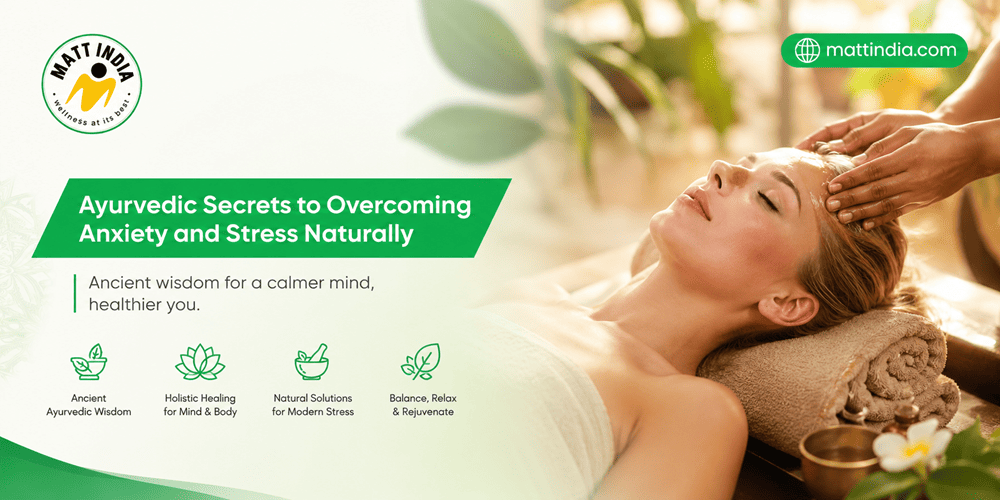
Ayurvedic Secrets to Overcoming Anxiety and Stress Naturally. Modern life moves fast. Deadlines, financial responsibilities, social pressures, and constant digital connectivity often leave people feeling overwhelmed. While occasional stress is a normal part of life, persistent anxiety and emotional tension can affect physical health, relationships, and overall wellbeing.

Fortunately, Ayurveda, the ancient Indian system of holistic healing, offers natural approaches that address the root causes of mental imbalance rather than simply masking symptoms. At MATT INDIA AYURVEDA, we believe true healing begins when the mind, body, and spirit work in harmony.

In this article, we'll explore the powerful Ayurvedic secrets for anxiety relief, natural stress management techniques, and practical lifestyle changes that can help restore emotional balance.

Understanding Anxiety and Stress Through Ayurveda

In Ayurveda, mental wellbeing depends on the balance of three biological energies known as Doshas:

  • Vata Dosha – governs movement and the nervous system

  • Pitta Dosha – controls metabolism and transformation

  • Kapha Dosha – provides stability and structure

According to Ayurvedic principles, anxiety is commonly associated with an aggravated Vata Dosha. When Vata becomes excessive, the mind may feel restless, fearful, scattered, and unable to relax.

Furthermore, long-term stress can disturb all three doshas, leading to emotional and physical discomfort.

Common Signs of Vata Imbalance

Emotional SymptomsPhysical Symptoms
NervousnessDry skin
OverthinkingDigestive discomfort
FearfulnessFatigue
InsomniaMuscle tension
RestlessnessIrregular appetite

Therefore, Ayurvedic treatment focuses on calming and grounding the nervous system.

Why Natural Stress Management Matters

Many people seek quick solutions when anxiety appears. However, temporary fixes often fail to address underlying imbalances.

Ayurveda takes a different approach.

Rather than fighting symptoms alone, Ayurvedic therapies aim to:

  • Restore inner balance

  • Strengthen resilience

  • Improve sleep quality

  • Support digestion

  • Nourish the nervous system

As a result, individuals often experience long-lasting emotional stability.

Secret 1: Follow a Consistent Daily Routine

One of Ayurveda's most effective strategies for reducing anxiety is maintaining a predictable routine.

The nervous system thrives on consistency.

Therefore, Ayurveda recommends:

  • Waking up at the same time daily

  • Eating meals regularly

  • Following a structured bedtime routine

  • Limiting late-night screen exposure

Additionally, routine creates a sense of security that naturally calms an overactive mind.

Daily Habits That Support Mental Wellness

HabitBenefit
Early RisingImproves mental clarity
Regular MealsStabilises energy levels
Evening RelaxationSupports restful sleep
Consistent BedtimeReduces nervous tension

Secret 2: Nourish the Mind with Ayurvedic Herbs

Herbal remedies play an important role in Ayurvedic anxiety treatment.

Several herbs are traditionally used to support emotional balance.

Popular Ayurvedic Herbs for Stress Relief

Ashwagandha

Known as an adaptogenic herb, Ashwagandha helps the body adapt to stress more effectively.

Benefits include:

  • Reduced nervous tension

  • Better sleep quality

  • Improved mental focus

Brahmi

Brahmi has long been valued for supporting memory and calming mental activity.

It may assist with:

  • Concentration

  • Emotional stability

  • Mental clarity

Jatamansi

This traditional herb supports relaxation and promotes a peaceful state of mind.

However, herbal treatments should always be used under qualified Ayurvedic guidance.

Secret 3: Practise Abhyanga (Ayurvedic Oil Massage)

One of Ayurveda's most treasured therapies is Abhyanga, a warm oil massage designed to calm the nervous system.

The gentle application of herbal oils helps:

  • Reduce muscle tension

  • Improve circulation

  • Promote relaxation

  • Support better sleep

Moreover, regular massage encourages grounding, which is especially beneficial for Vata-related anxiety.

Many people report feeling noticeably calmer after only a few sessions.

Secret 4: Improve Digestion to Support Mental Health

Ayurveda recognises a powerful connection between the gut and the mind.

When digestion becomes weak, toxins known as Ama may accumulate within the body.

Consequently, emotional balance may suffer.

Foods That Support Calmness

Recommended FoodsBenefits
Warm soupsEasy digestion
Cooked vegetablesGentle on the stomach
Herbal teasRelaxing effect
Whole grainsStable energy
Warm milk with spicesSupports sleep

Conversely, excessive caffeine, processed foods, and irregular eating habits may aggravate anxiety symptoms.

Secret 5: Use Breathwork and Meditation Daily

Ayurveda places significant importance on Pranayama (breathing exercises) and meditation.

These practices help regulate the nervous system naturally.

Effective Breathing Techniques

Deep Belly Breathing

This simple method encourages relaxation and lowers stress responses.

Alternate Nostril Breathing

Known as Nadi Shodhana, this technique promotes mental balance and emotional stability.

Meanwhile, regular meditation allows the mind to slow down and regain focus.

Even ten minutes each day can create noticeable improvements over time.

Secret 6: Prioritise Restorative Sleep

Poor sleep and anxiety often create a frustrating cycle.

Stress disrupts sleep, while inadequate sleep increases stress.

Therefore, Ayurveda strongly emphasises healthy sleep habits.

Ayurvedic Sleep Tips

  • Avoid heavy meals before bed

  • Drink calming herbal teas

  • Reduce screen time at night

  • Follow a regular sleep schedule

  • Practise gentle breathing exercises

As sleep quality improves, emotional resilience often increases as well.

Secret 7: Spend Time in Nature

Nature plays an important role in Ayurvedic healing.

Fresh air, sunlight, and natural surroundings help calm mental overstimulation.

Additionally, spending time outdoors may:

  • Improve mood

  • Reduce mental fatigue

  • Encourage mindfulness

  • Support emotional balance

Even a short daily walk can make a meaningful difference.

Related Articles:

» Why Kerala is the Best Destination for Ayurveda Treatments

» Ayurvedic Treatments for Back Pain and Spine Health

» Ayurveda for Skin: Natural Treatments for Radiant Skin

» How Ayurveda Helps You Achieve Mental Clarity and Peace?

» Ayurveda Treatment for Stress, Digestion and Overall Wellness

Comparing Conventional and Ayurvedic Approaches

Conventional ApproachAyurvedic Approach
Focus on symptom reliefFocus on root causes
Often medication-basedNatural holistic therapies
Short-term managementLong-term balance
Individual symptom treatmentMind-body-spirit healing

While both approaches can be valuable, Ayurveda provides complementary tools for supporting emotional wellness naturally.

The Importance of Personalised Ayurvedic Care

No two individuals experience anxiety in exactly the same way.

Therefore, Ayurvedic practitioners assess:

  • Dosha balance

  • Lifestyle habits

  • Digestive health

  • Sleep patterns

  • Emotional wellbeing

This personalised approach allows treatment plans to address each person's unique needs.

At MATT INDIA AYURVEDA, customised wellness programs help individuals regain balance through authentic Ayurvedic therapies and guidance.

Conclusion

Anxiety and stress have become increasingly common in today's fast-paced world. Nevertheless, Ayurveda offers time-tested solutions that support healing from within. Through balanced routines, nourishing foods, herbal support, meditation, and lifestyle adjustments, individuals can build greater emotional resilience naturally.

The true Ayurvedic secret is not a single remedy. Instead, it lies in creating harmony between the mind, body, and environment. With consistent practice and professional guidance, lasting peace and wellbeing become much more achievable.

At MATT INDIA AYURVEDA, we are committed to helping individuals discover natural pathways toward a calmer, healthier, and more balanced life.

Social:

https://in.pinterest.com/pin/395261304820299859

https://x.com/matt_india/status/2065324868690940341

https://www.linkedin.com/feed/update/urn:li:share:7471091353062490112/

https://www.facebook.com/ayurvedictreatmentcentre/posts/pfbid05yzLCqZ4zU7kWnzjgmgaVjdZGCFB6YSefD4DrKqMLBar5bod2aRbiDG687bhTP3ql

Thursday, 21 May 2026

Ayurveda Retreat Rules: Do’s and Don’ts for Better Results

Ayurveda Retreat Rules: Do’s and Don’ts for Better Results

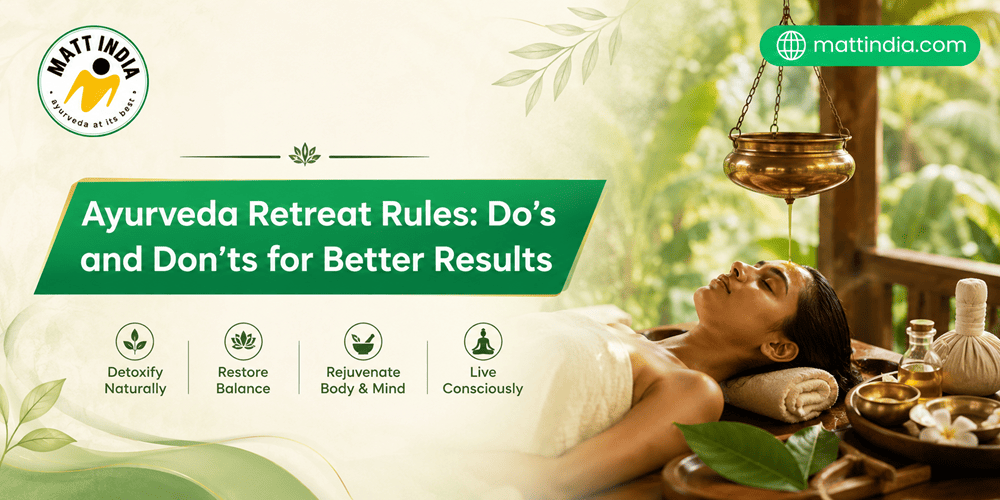
Ayurveda Retreat Rules: Do’s and Don’ts for Better Results. Modern life moves fast, and because of that many people now search for natural healing methods that calm the body and mind together. An Ayurveda retreat offers more than a vacation. It gives a chance to reset unhealthy habits, improve digestion, reduce stress, and restore inner balance naturally. However, many guests fail to get the best results because they ignore simple retreat guidelines.

If you truly want long-lasting wellness benefits, then understanding the right Ayurveda retreat rules becomes very important. Small daily choices during the retreat can either support healing or delay recovery. Therefore, following proper routines, food habits, and mental discipline helps your body respond faster to Ayurvedic therapies.

In this guide, you will learn the major do’s and don’ts that improve your retreat experience and help you achieve better results naturally.

Why Ayurveda Retreat Rules Matter

An authentic Ayurvedic wellness retreat works differently from ordinary spa holidays. Ayurveda focuses on balancing the doshas — Vata, Pitta, and Kapha. Every therapy, herbal medicine, yoga session, and diet plan is designed carefully according to your body constitution.

Therefore, if you break the recommended routine, eat unhealthy food, or skip therapies, your body may not respond properly. On the other hand, when you follow the retreat discipline sincerely, detoxification becomes smoother and healing improves deeply.

Additionally, proper retreat behavior helps improve:

  • Digestion
  • Sleep quality
  • Stress management
  • Energy levels
  • Mental clarity
  • Emotional balance
  • Skin health
  • Body flexibility

Do’s During an Ayurveda Retreat

1. Follow the Recommended Diet Strictly

Diet plays a major role in Ayurvedic healing. Most retreat centers provide fresh vegetarian meals prepared with healing herbs and spices. These foods support detoxification and improve digestion naturally.

Therefore, eat meals on time and avoid overeating. Warm foods usually work better during Ayurvedic treatments because they support digestive fire, also called Agni.

Best dietary practices:

  • Drink warm water regularly
  • Eat freshly cooked meals
  • Include herbal teas
  • Chew food slowly
  • Avoid cold beverages

Following the correct Ayurvedic diet during retreat improves treatment effectiveness significantly.

2. Wake Up Early

Ayurveda encourages waking before sunrise because early morning hours bring mental calmness and positive energy. Additionally, morning routines improve digestion and support body cleansing.

Most retreats include:

  • Meditation
  • Yoga
  • Breathing exercises
  • Herbal drinks

When you wake up late, your natural body rhythm gets disturbed. Consequently, you may feel tired throughout the day.

3. Attend Every Therapy Session

Every therapy in an Ayurveda healing retreat has a purpose. Oil massages, steam treatments, Panchakarma therapies, and herbal applications work together gradually.

Therefore, consistency matters a lot. Missing sessions may interrupt the detox process and reduce overall benefits.

Popular Ayurvedic therapies include:

  • Abhyanga massage
  • Shirodhara
  • Panchakarma detox
  • Herbal steam therapy
  • Nasya treatment

4. Practice Mindfulness Daily

Healing does not happen only through medicines. Mental peace also supports physical recovery. Therefore, many Ayurvedic doctors recommend mindfulness practices during retreats.

You can practice:

  • Meditation
  • Deep breathing
  • Silent walks
  • Gratitude journaling
  • Gentle yoga

These activities help calm the nervous system while reducing anxiety naturally.

5. Stay Hydrated Properly

Detoxification releases toxins from the body. Because of that, proper hydration becomes essential during Ayurvedic treatments.

Drink:

  • Warm water
  • Herbal water
  • Ayurvedic detox teas

However, avoid ice water because it slows digestion and weakens Agni.

6. Trust the Healing Process

Some guests expect instant transformation within two days. Ayurveda works gradually and deeply. Therefore, patience becomes important.

Sometimes the body may feel tired during detoxification. This is normal because toxins start leaving the system slowly. Continue following the doctor's advice for better long-term results.

Don’ts During an Ayurveda Retreat

1. Avoid Junk Food Completely

One of the biggest mistakes people make is eating outside food secretly. Processed food, sugar, fried snacks, and soft drinks disturb digestion badly.

Even small unhealthy meals can reduce therapy effectiveness. Therefore, avoid:

  • Fast food
  • Alcohol
  • Soft drinks
  • Excess coffee
  • Packaged snacks

A clean diet supports faster healing naturally.

2. Don’t Skip Rest

Ayurvedic therapies sometimes make the body feel relaxed or sleepy. That is completely natural. However, many guests overuse phones, work remotely, or stay awake late at night.

Lack of rest weakens recovery. Therefore, sleep early and give your body enough recovery time.

3. Avoid Excess Screen Time

Too much mobile or laptop usage overstimulates the brain. Because of that, stress hormones may increase again.

An Ayurveda detox retreat aims to calm both body and mind. Therefore, reduce:

  • Social media scrolling
  • Late-night movies
  • Excessive phone calls
  • Office work stress

Instead, spend time in nature and focus on inner healing.

4. Don’t Compare Your Healing Journey

Every body responds differently to Ayurveda. Some people notice quick changes while others improve gradually. Comparing results creates unnecessary frustration.

Therefore, focus on your personal healing process instead of watching others constantly.

5. Avoid Heavy Exercise

Intense gym workouts are usually not recommended during Panchakarma or deep detox programs. The body needs energy for cleansing and recovery.

Instead, practice:

  • Gentle yoga
  • Walking
  • Stretching
  • Breathing exercises

This approach supports natural balance without exhausting the body.

6. Don’t Ignore Doctor Instructions

Ayurvedic doctors study your body constitution carefully before creating treatment plans. Ignoring herbal medicines, dietary advice, or lifestyle rules can reduce results greatly.

Therefore, communicate openly with your therapist and follow instructions honestly.

Related Articles:

» Why Kerala is the Best Destination for Ayurveda Treatments

» Ayurvedic Treatments for Back Pain and Spine Health

» Ayurveda for Skin: Natural Treatments for Radiant Skin

» How Ayurveda Helps You Achieve Mental Clarity and Peace?

» Ayurveda Treatment for Stress, Digestion and Overall Wellness

How to Get Maximum Benefits from an Ayurveda Retreat

To receive the best experience from an Ayurvedic wellness program, consistency matters more than perfection. Small healthy actions repeated daily create stronger long-term changes.

Important habits for better results:

  • Maintain discipline
  • Stay mentally positive
  • Eat clean foods
  • Sleep on time
  • Follow therapy schedules
  • Practice mindfulness
  • Reduce stress triggers

Additionally, continuing healthy habits even after returning home helps maintain retreat benefits for a longer time.

Conclusion

An Ayurveda retreat can completely transform your physical and mental wellbeing when followed correctly. Simple lifestyle discipline, proper diet, mindful living, and therapy consistency create powerful healing effects naturally.

However, many people expect miracles without following the retreat guidelines seriously. Ayurveda works best when you cooperate with the healing process patiently.

Therefore, follow these important do’s and don’ts carefully to enjoy deeper detoxification, better relaxation, improved digestion, emotional stability, and long-lasting wellness benefits. Small mindful efforts during the retreat often create life-changing results later. Sometimes people ignore these little things, but actually they matter the most in Ayurvedic healing journey.


Social:

https://in.pinterest.com/pin/395261304820159110

https://x.com/matt_india/status/2057422479879180434

https://www.facebook.com/ayurvedictreatmentcentre/posts/pfbid02FCfkmHvfMP9va3E5wN3enAtRrfF4p8GW5bJBwSEjT8wiJUQcyV3qPtm2YYkwaSL4l

https://www.linkedin.com/feed/update/urn:li:share:7463433048529928192/

https://www.linkedin.com/feed/update/urn:li:share:7463433537409683456/?actorCompanyId=30228016

Monday, 29 September 2025

The Role of Ayurveda in Preventive Health

https://www.mattindia.com/wp-content/uploads/2025/09/The-Role-of-Ayurveda-in-Preventive-Health.webp

The Role of Ayurveda in Preventive Health: Preventive health is becoming increasingly important in today’s fast-paced world. People are seeking natural ways to stay healthy and avoid diseases. Ayurveda, the ancient Indian system of medicine, offers effective strategies for preventive health. By focusing on balancing the body, mind, and lifestyle, Ayurveda helps strengthen immunity and maintain overall wellness.

Balancing the Body Through Ayurveda

One of the main principles of Ayurveda is maintaining balance in the body. According to Ayurveda, every individual has a unique constitution, called a dosha—Vata, Pitta, or Kapha. Understanding your dosha helps you choose the right diet, exercise, and daily habits. Consequently, following these personalized practices can prevent many health issues before they occur.

Healthy Diet and Digestion

Ayurveda emphasizes a proper diet to support preventive health. Eating fresh, seasonal, and easily digestible foods keeps the body nourished. Moreover, Ayurvedic herbs like turmeric, ginger, and ashwagandha enhance immunity and reduce inflammation. By including these foods and herbs in your daily meals, you can protect your body from infections and chronic illnesses.

Daily Routine for Wellness

Dinacharya, or daily routine, is another important aspect of preventive health in Ayurveda. A structured routine includes waking up early, practicing yoga, meditating, and going to bed at a consistent time. Additionally, routines like oil pulling, self-massage, and mindful breathing improve circulation and mental clarity. Therefore, maintaining these habits reduces stress and enhances overall health.

Related Post:

 » How Ayurveda can help treat and control Diabetes?

 » Why choose Ayurveda for Postpartum care

 » How doesn’t Ayurveda Body Cleaning Works

 » How to manage Laziness with Ayurveda

 » How to Manage the Infertility with Ayurveda

Exercise and Yoga

Physical activity is essential in Ayurveda for preventing illness. Gentle exercises, yoga, and stretching improve flexibility, boost immunity, and enhance blood circulation. Furthermore, yoga combines movement with deep breathing, which calms the nervous system and supports mental health. By practicing regular exercise and yoga, you can reduce the risk of lifestyle-related diseases.

Stress Management and Mental Health

Ayurveda recognizes the strong connection between mental and physical health. Chronic stress can weaken immunity and increase the risk of disease. Practices like meditation, pranayama (breathing exercises), and herbal therapies help manage stress effectively. As a result, mental clarity improves, and the body remains resilient against illnesses.

Herbal Remedies and Natural Therapies

Ayurveda also uses natural remedies for preventive care. Herbs, oils, and detox treatments help cleanse the body and strengthen organs. For instance, Chyawanprash, an herbal jam, boosts immunity, while Triphala supports digestion and detoxification. Regular use of these remedies helps maintain long-term health naturally.

Ayurveda for Lifelong Health

In conclusion, Ayurveda plays a crucial role in preventive health. By focusing on a balanced lifestyle, proper diet, daily routines, exercise, and stress management, it reduces the risk of disease naturally. Therefore, incorporating Ayurvedic practices into daily life can strengthen immunity, promote wellness, and support a healthier, longer life.

Social:

https://x.com/matt_india/status/1972593754889654580

https://www.facebook.com/ayurvedictreatmentcentre/posts/pfbid0SaPJFUvPKgK8GwCp2UaJ4Mn2uJjmpu4idQyzxsuvgdwhgzsAUMVqyRVPjuGNEj9il

https://www.linkedin.com/feed/update/urn:li:share:7378359914865504256/

Friday, 12 September 2025

The Role of Ayurveda in Managing Migraines and Headaches

The Role of Ayurveda in Managing Migraines and Headaches

The Role of Ayurveda in Managing Migraines and Headaches. Migraines and headaches are common problems that affect millions of people worldwide. Many individuals rely on medications for quick relief, but these often provide temporary results and may cause side effects. Therefore, alternative approaches like Ayurveda have gained attention for managing headaches naturally while promoting overall well-being.

Understanding Migraines in Ayurveda

In Ayurveda, migraines and headaches occur due to an imbalance of the body’s doshas: Vata, Pitta, and Kapha. For instance, excess Pitta can cause intense, burning headaches, whereas aggravated Vata often leads to tension-type headaches. Moreover, lifestyle factors, stress, and poor diet can worsen these conditions. Consequently, Ayurveda focuses on identifying the root cause of headaches instead of only addressing symptoms.

Ayurvedic Herbs for Headache Relief

Several Ayurvedic herbs help reduce migraine frequency and severity. For example, Brahmi calms the nervous system, while Ashwagandha lowers stress, a common headache trigger. Furthermore, Turmeric has anti-inflammatory properties, and Ginger improves blood circulation to relieve tension. Therefore, incorporating these herbs into daily routines can provide natural, long-term relief.

Diet and Lifestyle Changes

Ayurveda emphasizes the importance of diet and lifestyle in preventing and managing migraines. Avoiding processed foods, excessive caffeine, and fried items helps maintain dosha balance. In addition, consuming fresh fruits, vegetables, and herbal teas supports the body’s natural healing process. Moreover, practices such as yoga, meditation, and pranayama reduce stress, improve blood flow, and balance energy. As a result, combining dietary changes with mindfulness routines significantly lowers migraine attacks.

Related Post:

» How Ayurveda can help treat and control Diabetes?

» Why choose Ayurveda for Postpartum care

» How to Manage the Infertility with Ayurveda

» How doesn’t Ayurveda Body Cleaning Works

» How to manage Laziness with Ayurveda

Panchakarma and Detoxification

Ayurveda also recommends Panchakarma, a detoxification therapy, for chronic headaches. This therapy cleanses the body to remove toxins and restore balance. For instance, Shirodhara, where warm herbal oil is poured on the forehead, helps calm the mind and reduce headache intensity. Additionally, regular oil massages improve circulation and relax muscles, which further prevents tension headaches.

Preventive Measures

Ayurveda encourages preventive care to minimize migraine attacks. Maintaining a consistent sleep schedule, staying hydrated, and practicing daily self-care rituals can balance the doshas. Furthermore, avoiding known triggers and following a personalized Ayurvedic routine ensures long-term relief. Therefore, preventive measures are as crucial as active treatments in managing headaches effectively.

How Ayurveda Helps Manage Migraines

Ayurveda offers a holistic approach to managing migraines and headaches by addressing their root causes. Through herbs, dietary adjustments, lifestyle changes, and therapies like Panchakarma, it provides natural and sustainable relief. Moreover, it reduces dependence on medications while promoting overall health. Therefore, individuals seeking long-term migraine management should consider integrating Ayurvedic practices into their daily lives for a healthier, pain-free experience.

Social:

https://in.pinterest.com/pin/395261304818213825/

https://x.com/matt_india/status/1966400622162489687

https://www.facebook.com/ayurvedictreatmentcentre/posts/pfbid0Qr7wq2MxmTahG7omBRhoU8hAF6SNy6Nn4zrEv6FQS9hmEYVx5CsrGUXL4HAV21ral


Friday, 30 May 2025

How Ayurveda Panchakarma Restores Balance and Boosts Immunity?

How Ayurveda Panchakarma Restores Balance and Boosts Immunity?

 How Ayurveda Panchakarma Restores Balance and Boosts Immunity?. Ayurveda Panchakarma is an ancient healing therapy designed to restore balance, detoxify the body, and boost immunity. This holistic treatment focuses on cleansing and rejuvenating both the body and mind, using natural herbs, oils, and therapeutic techniques.

The process begins with a deep detoxification that removes toxins (known as "ama") accumulated in the body. These toxins can weaken the immune system and lead to various health issues. Panchakarma helps in eliminating these harmful substances, promoting optimal health.

In addition to detoxifying the body, Panchakarma strengthens the immune system by balancing the three doshas—Vata, Pitta, and Kapha. When these doshas are in harmony, the body functions optimally, and immunity is significantly improved. The treatment also enhances digestion, boosts energy levels, and supports overall well-being.

Various methods such as oil massages, herbal steam baths, and therapeutic enemas are used to help the body release toxins. These methods are tailored to the individual’s unique needs, ensuring effective healing.

Ultimately, Ayurveda Panchakarma is not just about detoxifying the body, but also about promoting mental clarity, emotional stability, and long-term immunity. It’s a holistic approach that nurtures the body, mind, and spirit for lasting health.

Social:

https://in.pinterest.com/pin/395261304817166192/

https://x.com/matt_india/status/1928351584406135038

https://www.linkedin.com/feed/update/urn:li:share:7334117683346493440/

https://www.linkedin.com/feed/update/urn:li:share:7334117964150964224/

https://www.facebook.com/ayurvedictreatmentcentre/posts/pfbid02XfHtgoaHFBwXEMuvJLBPbdfJLxW2EevEYTEUhYFnm7Qm47dyCPFuAYQwF5TGjxb1l