Showing posts with label stressrelief. Show all posts

Friday, 28 August 2026

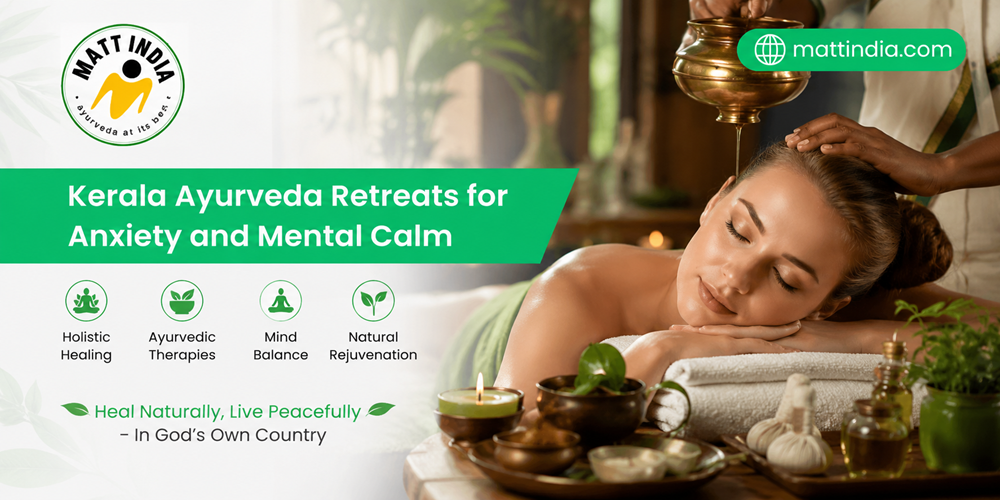
Kerala Ayurveda Retreats for Anxiety and Mental Calm

Kerala Ayurveda Retreats for Anxiety and Mental Calm

Kerala Ayurveda Retreats for Anxiety and Mental Calm. Modern life rarely slows down. Work pressure, constant notifications, poor sleep, long commutes and personal responsibilities can leave the mind feeling overloaded. Consequently, many people are looking for natural ways to step away from daily stress and create more peaceful routines.

Kerala Ayurveda retreats for anxiety and mental calm offer a structured environment where traditional Ayurveda, yoga, meditation, nourishing food and rest come together. Rather than treating a retreat like an ordinary holiday, visitors can use the time to reduce distractions, reconnect with healthy routines and focus on overall wellbeing.

Kerala has a long-standing association with Ayurveda, while its greenery, backwaters, beaches and quieter surroundings can provide a naturally relaxing setting. At MATT INDIA AYURVEDA, the focus can extend beyond a single therapy towards lifestyle, routine, nutrition and mind-body wellbeing.

Important: Ayurveda and wellness retreats can complement appropriate mental-health care, but they should not replace professional treatment for severe anxiety, depression, panic attacks or other mental-health conditions.

Why Choose Kerala for an Ayurveda Retreat?

Kerala offers a distinctive combination of traditional wellness practices and a peaceful natural environment. For many visitors, simply stepping away from a busy schedule can make a meaningful difference to how they feel.

An Ayurveda retreat in Kerala may provide a daily rhythm involving:

  • Ayurvedic consultations
  • Traditional therapies
  • Yoga
  • Pranayama
  • Meditation
  • Relaxation practices
  • Nutritious meals
  • Adequate rest
  • Nature-based activities

The Ministry of AYUSH describes yoga as a practice that supports harmony between mind and body and notes that practices such as asanas, pranayama and meditation can help manage daily stress and its consequences.

Therefore, a well-designed retreat can give visitors something that ordinary holidays often miss: time, structure and fewer distractions.

Understanding Anxiety Through an Ayurvedic Perspective

Ayurveda approaches wellbeing as an interaction between the body, mind, lifestyle and environment. Traditional Ayurvedic practice discusses three doshas — Vata, Pitta and Kapha — and considers individual constitution when planning wellness routines.

However, Ayurveda does not follow a one-size-fits-all approach. An Ayurvedic practitioner may consider your:

  • Sleep pattern
  • Eating habits
  • Digestion
  • Daily routine
  • Energy levels
  • Stress levels
  • Physical constitution
  • Existing health concerns
  • Lifestyle habits

Based on this assessment, the practitioner can recommend suitable wellness practices.

For this reason, choosing a retreat that provides an individual consultation can be more useful than selecting a programme simply because it advertises a particular treatment.

How an Ayurveda Retreat Can Support Mental Calm

A retreat does not need to promise a quick cure to be valuable. Instead, it can create conditions that encourage relaxation and healthier habits.

1. A Structured Daily Routine

When life becomes hectic, meals, sleep and exercise can become irregular. A retreat introduces a predictable schedule.

For example, your day might include morning yoga, breakfast, an Ayurvedic consultation or therapy, quiet time, lunch and an evening meditation session.

That consistency can make it easier to step away from chaotic routines.

2. Yoga and Gentle Movement

Yoga combines movement, breathing and awareness. Moreover, it can be adapted for beginners as well as experienced practitioners.

Gentle yoga may help visitors focus on their breathing and physical sensations rather than constantly thinking about work or everyday responsibilities.

AYUSH guidance highlights yoga practices such as yogasanas, pranayama and dhyana (meditation) in relation to stress management.

3. Pranayama and Breathing Practices

Breathing exercises can become a simple part of a daily relaxation routine.

Under appropriate guidance, pranayama may encourage slower, more mindful breathing. Consequently, visitors can learn techniques that they may continue practising after returning home.

4. Meditation and Quiet Time

Meditation can provide a break from constant stimulation. Even a short guided session can encourage people to sit quietly, observe their breathing and reduce distractions.

Many Kerala wellness programmes combine Ayurveda, yoga and meditation rather than relying on one activity alone.

5. Ayurvedic Therapies

Depending on the practitioner's assessment and the retreat programme, traditional therapies may include treatments such as Abhyanga or Shirodhara.

However, therapies should be selected by qualified practitioners according to the individual's needs. Visitors should avoid choosing intensive treatments independently, especially when they have existing medical conditions or take regular medicines.

The Role of Ayurvedic Food

Food forms an important part of many Kerala Ayurveda wellness retreats.

Instead of heavy restaurant meals and irregular eating, retreats may provide freshly prepared vegetarian or traditionally inspired meals according to the programme.

A consistent meal schedule can also encourage better lifestyle habits. Some retreats specifically offer sattvic-style vegetarian food as part of their wellness programmes.

The goal should not be extreme dieting. Rather, it is about eating mindfully, maintaining regular meals and giving your body nourishing food while you rest.

Nature and Mental Relaxation

Kerala's natural surroundings add another dimension to the retreat experience.

Depending on the location, visitors may spend time around:

  • Coconut groves
  • Backwaters
  • Tropical gardens
  • Beaches
  • Hills
  • Forested areas
  • Quiet village landscapes

A slower environment can make it easier to disconnect from phones, work emails and constant notifications. Therefore, choosing a retreat with peaceful surroundings can complement the scheduled wellness activities.

What Can a Typical Retreat Include?

Every centre has its own approach, so programmes differ. However, a wellness retreat may include several of the following:

Retreat ElementPossible Purpose
Ayurvedic consultationUnderstand individual wellness needs
AbhyangaTraditional oil-based therapy
ShirodharaTraditional relaxation-focused therapy
YogaMovement, flexibility and mindful practice
PranayamaGuided breathing practice
MeditationQuiet attention and relaxation
Ayurvedic mealsStructured, nourishing eating
Nature timeReduce daily stimulation
Lifestyle guidanceDevelop sustainable routines

Some current Kerala programmes combine personalised Ayurvedic consultations with daily therapies, yoga, pranayama, meditation and vegetarian meals.

Related Articles:

» Why Kerala is the Best Destination for Ayurveda Treatments

» Ayurvedic Treatments for Back Pain and Spine Health

» Ayurveda for Skin: Natural Treatments for Radiant Skin

» How Ayurveda Helps You Achieve Mental Clarity and Peace?

» Ayurveda Treatment for Stress, Digestion and Overall Wellness

How Long Should You Stay?

There is no universal retreat duration for everyone.

A short stay may provide an introduction to Ayurveda and help you step away from a busy routine. Meanwhile, longer programmes can provide more time to establish consistent habits.

Stay LengthMay Suit
3–5 daysShort relaxation break
7 daysIntroductory wellness reset
10–14 daysDeeper routine and relaxation focus
21+ daysStructured programmes requiring longer supervision

These are general planning categories rather than medical recommendations. Actual programme duration should depend on the retreat, practitioner advice and your personal circumstances.

What Should You Look for in a Kerala Ayurveda Retreat?

Not every wellness retreat offers the same experience. Therefore, compare programmes carefully before booking.

Look for:

Qualified Practitioners

Ask whether an Ayurvedic doctor or appropriately qualified practitioner assesses guests before recommending therapies.

Personalised Programmes

A personalised approach is preferable to giving every visitor exactly the same treatment schedule.

Clear Treatment Information

The centre should explain what therapies it provides and who should avoid them.

Healthy Food

Check the type of meals included and whether the retreat can accommodate genuine dietary requirements.

Comfortable Accommodation

Rest is an important part of a wellness break, so the accommodation should support good sleep and privacy.

Balanced Activities

A programme that combines treatment, movement, meditation, rest and lifestyle guidance can provide a more complete experience.

Kerala Ayurveda Retreats for Busy Professionals

Professionals often struggle to disconnect from work. Even during holidays, laptops and mobile phones can keep the mind occupied.

A structured Ayurveda retreat for stress relief can create a clear boundary between professional responsibilities and personal time.

You can leave the usual routine behind temporarily, follow a set schedule and spend time focusing on yourself. Furthermore, learning simple breathing, meditation and lifestyle techniques may help you maintain some of those habits after returning home.

What About Severe Anxiety?

This point deserves attention.

An Ayurveda retreat may provide relaxation and complementary wellbeing support, but severe or persistent anxiety requires appropriate professional assessment and care.

If anxiety interferes with work, sleep, relationships or daily activities, speak with a qualified mental-health professional. If you experience thoughts of self-harm or feel unable to stay safe, seek urgent local medical or emergency support.

A responsible retreat should respect existing medical treatment rather than encouraging guests to stop prescribed medication without professional advice.

Why Choose MATT INDIA AYURVEDA?

At MATT INDIA AYURVEDA, the retreat experience can focus on the broader connection between lifestyle, relaxation and traditional Ayurvedic wellbeing.

Instead of viewing mental calm as a single treatment, a holistic programme can bring together Ayurvedic therapies, yoga, breathing practices, nourishing food, rest and mindful routines.

This approach is particularly suitable for people who want to step away from hectic schedules and spend meaningful time focusing on their overall wellbeing.

Tips for Making Your Retreat More Beneficial

Before travelling, consider reducing your workload where possible. Also, inform colleagues and family that you will have limited access to your phone.

During the retreat:

  1. Follow the recommended schedule.
  2. Keep digital distractions low.
  3. Drink enough water according to your practitioner's advice.
  4. Attend yoga or meditation sessions consistently.
  5. Eat meals mindfully.
  6. Give yourself enough time to sleep.
  7. Tell your practitioner about existing health concerns.
  8. Avoid self-prescribing Ayurvedic medicines.
  9. Don't rush through therapies.
  10. Continue suitable habits after returning home.

Small changes often become easier when you practise them consistently.

Conclusion

Kerala Ayurveda retreats for anxiety and mental calm provide an opportunity to slow down, reduce everyday distractions and reconnect with healthier routines. Through a combination of Ayurvedic therapies, yoga, pranayama, meditation, nourishing food and peaceful surroundings, a retreat can support relaxation and overall wellbeing.

Most importantly, choose a programme that values individual assessment rather than promising instant results. Kerala's traditional wellness culture and natural environment can create a memorable setting for a personal reset.

At MATT INDIA AYURVEDA, the focus can go beyond a temporary break by encouraging practical routines that support a calmer and more balanced lifestyle long after the retreat ends.

Social:

https://in.pinterest.com/pin/395261304820827557/

https://x.com/matt_india/status/2093283882804433044

https://www.linkedin.com/feed/update/urn:li:share:7499056265596268544/

https://www.linkedin.com/feed/update/urn:li:share:7499056616449658881/

https://www.facebook.com/ayurvedictreatmentcentre/posts/pfbid0DC67xdvcRnHBcypzjqQcoB9SYHc8kSfgkkNp9MafZ9eKewMTK1WhborH4eKHKPmbl

Sunday, 16 August 2026

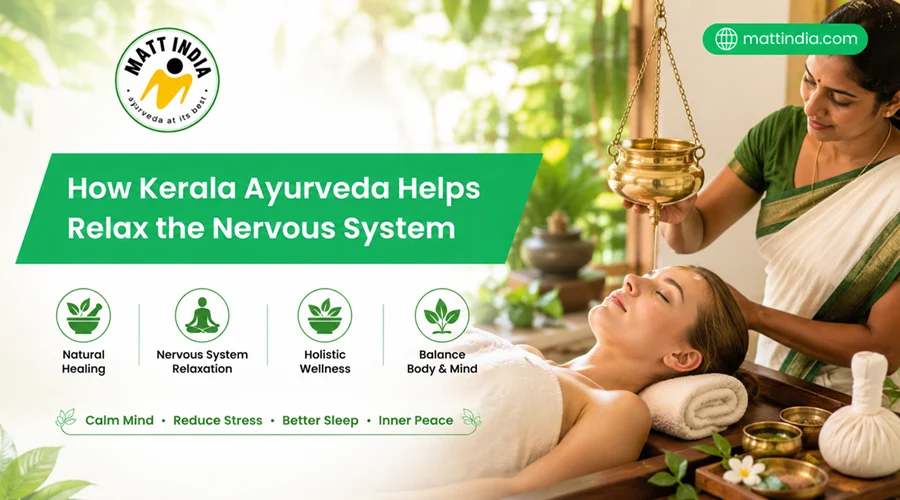
How Kerala Ayurveda Helps Relax the Nervous System

How Kerala Ayurveda Helps Relax the Nervous System

How Kerala Ayurveda Helps Relax the Nervous System. Modern life often keeps the mind switched on. Work pressure, long screen hours, irregular sleep, travel and daily responsibilities can leave people feeling mentally tired and physically tense. As a result, many people are exploring natural wellness approaches that support relaxation and a healthier daily routine.

Kerala Ayurveda offers a traditional approach that focuses on balance between the body, mind and lifestyle. Rather than looking only at occasional stress, Ayurvedic wellness practices consider sleep, digestion, daily habits, relaxation and individual constitution together. Therefore, therapies inspired by Kerala Ayurveda for nervous system relaxation can become part of a broader self-care routine.

At MATT INDIA AYURVEDA, traditional Ayurvedic practices can be combined with personalised wellness guidance to create a calm and restorative experience.

Understanding the Nervous System and Stress

The nervous system controls many essential functions, including movement, sensation, sleep, alertness and the body's response to changing situations. When a person experiences ongoing pressure, the body can remain in a state of increased alertness.

Consequently, some people may notice:

  • Difficulty relaxing after a busy day
  • Poor or irregular sleep
  • Muscle tension
  • Restlessness
  • Mental fatigue
  • Reduced concentration
  • Feeling overwhelmed
  • Occasional headaches associated with tension

These experiences can have many causes, so persistent or severe symptoms deserve professional medical advice. However, healthy relaxation habits can still play an important role in everyday wellbeing.

How Kerala Ayurveda Approaches Relaxation

Traditional Ayurveda views wellness as a balance involving the body, mind, digestion, lifestyle and daily routine. In Kerala, Ayurveda has developed a distinctive tradition of oil therapies, herbal preparations, massage techniques and rejuvenation practices.

Instead of relying on one treatment for everyone, Ayurveda traditionally considers the individual's needs before recommending a routine. Thus, Ayurvedic relaxation therapy in Kerala may involve a combination of therapies, rest, suitable food and lifestyle practices.

The goal is not simply to make someone feel relaxed for an hour. Rather, the approach encourages habits that may support a calmer and more balanced lifestyle over time.

Ayurvedic Oil Massage for Relaxation

One of the best-known Kerala Ayurvedic practices is Abhyanga, a traditional oil massage. Practitioners use warm herbal oils and specific massage techniques according to the individual's needs.

The gentle pressure and warmth can create a deeply soothing experience. Additionally, taking time away from phones, work and everyday distractions can help the mind slow down.

People often choose Ayurvedic massage as part of a wellness routine because it may help them feel:

  • More physically relaxed
  • Comfortable after periods of tension
  • Ready for restful sleep
  • Refreshed after a demanding day
  • More connected with their body

Importantly, massage should complement appropriate healthcare rather than replace medical treatment for a nervous system disorder.

Shirodhara and a Calming Experience

Shirodhara is another traditional Ayurvedic therapy associated with relaxation. During the practice, a steady stream of warm oil or another suitable liquid flows gently over the forehead while the person rests comfortably.

The quiet environment, rhythmic sensation and stillness can create a peaceful experience. Therefore, people often seek Shirodhara when they want dedicated time for relaxation and mental unwinding.

However, claims that Shirodhara can treat neurological or psychiatric conditions should not be overstated. It is better understood as a traditional wellness practice that may support relaxation.

The Importance of Ayurvedic Herbs

Ayurveda also uses numerous herbs in traditional wellness practices. Herbs such as Ashwagandha, Brahmi and Jatamansi have long histories of use within Ayurvedic traditions.

Nevertheless, natural does not automatically mean suitable for everyone. Herbal products can interact with medicines or cause unwanted effects in some people. Therefore, anyone considering Ayurvedic herbs should speak with a qualified healthcare professional, particularly if they take regular medication, have an existing condition, are pregnant or are preparing for surgery.

At a professional Ayurvedic centre, practitioners can consider the person's individual circumstances before suggesting traditional herbal support.

Related Articles:

» Why Kerala is the Best Destination for Ayurveda Treatments

» Ayurvedic Treatments for Back Pain and Spine Health

» Ayurveda for Skin: Natural Treatments for Radiant Skin

» How Ayurveda Helps You Achieve Mental Clarity and Peace?

» Ayurveda Treatment for Stress, Digestion and Overall Wellness

Ayurveda, Sleep and Nervous System Relaxation

Good sleep gives the body and mind an opportunity to recover from the demands of the day. Yet stress can make it difficult to establish a consistent sleep pattern.

A traditional Ayurvedic routine may encourage several simple habits:

  1. Follow regular sleeping and waking times.
  2. Reduce stimulating screen use before bedtime.
  3. Choose lighter evening meals when appropriate.
  4. Practise gentle breathing or meditation.
  5. Create a quiet bedroom environment.
  6. Allow enough time to wind down before sleep.

These habits may appear simple. However, consistency matters. Gradually, a predictable evening routine can make relaxation easier.

The Role of Abhyanga in a Daily Wellness Routine

Ayurvedic oil massage does not always need to occur at a treatment centre. Traditionally, self-Abhyanga can also form part of a personal routine when appropriate.

A short, gentle oil massage before bathing may encourage people to slow down and pay attention to their body. Moreover, the ritual itself can create a valuable pause between a busy schedule and personal rest time.

Still, people with skin problems, injuries or other health concerns should seek suitable advice before applying oils or performing massage techniques.

Ayurveda and the Mind-Body Connection

One important feature of Ayurveda is its emphasis on the connection between mental and physical wellbeing. When someone feels stressed, they may experience physical tension, changes in appetite or disturbed sleep. Similarly, physical discomfort can affect mood and concentration.

For this reason, Kerala Ayurveda wellness treatments often combine relaxation therapies with lifestyle guidance. Yoga, meditation, suitable movement, nutritious meals and adequate rest can work together as part of a balanced routine.

Furthermore, taking regular breaks from constant digital stimulation can make a noticeable difference to everyday relaxation.

Why Choose Kerala for Ayurvedic Wellness?

Kerala has a long association with Ayurvedic traditions and wellness practices. The region's treatment centres often create environments designed around rest, nature and traditional therapies.

For visitors, an Ayurveda treatment centre in Kerala can provide more than a single massage appointment. Depending on the centre and programme, guests may receive consultations, traditional therapies, dietary guidance, relaxation sessions and lifestyle recommendations.

However, quality can vary between providers. Therefore, people should check the practitioner's qualifications, treatment approach, hygiene standards and the suitability of any proposed therapy.

Simple Ayurvedic-Inspired Habits for a Calmer Day

You do not always need an elaborate programme to introduce relaxation into your routine. Small changes can help.

Try beginning the morning without immediately checking social media. Then, take a few minutes for gentle breathing or stretching. During the day, take short breaks from screens. In the evening, reduce unnecessary stimulation and give yourself enough time to relax before bed.

Additionally, regular physical activity, balanced nutrition and meaningful social connection can support overall wellbeing.

These habits work best when they become realistic parts of everyday life rather than short-term challenges.

When Should You Seek Professional Help?

Ayurvedic wellness practices can support relaxation, but they should not replace medical care. If you experience persistent anxiety, severe sleep problems, unexplained weakness, numbness, seizures, significant changes in mood or other concerning symptoms, consult an appropriate healthcare professional.

Likewise, sudden neurological symptoms require urgent medical attention.

A qualified Ayurvedic practitioner can also help determine whether a traditional wellness programme is appropriate alongside your existing healthcare.

Why MATT INDIA AYURVEDA?

At MATT INDIA AYURVEDA, the focus can be placed on creating a peaceful environment where traditional Ayurvedic wellness meets individual care. From traditional oil therapies to relaxation-focused treatments, the experience can encourage you to step away from daily pressure and reconnect with your wellbeing.

Most importantly, Ayurveda is not about rushing results. It encourages consistency, self-awareness and a balanced approach to everyday living.

Conclusion

A constantly busy lifestyle can make relaxation difficult. However, Kerala Ayurveda for nervous system relaxation offers a traditional wellness approach that brings attention back to rest, routine and balance. Through practices such as Abhyanga, Shirodhara, meditation and mindful daily habits, people can create more opportunities for calm.

Ultimately, the best wellness routine is one that fits your individual needs and supports healthy habits consistently. With appropriate professional guidance, Ayurveda can become a meaningful part of a balanced approach to physical and mental wellbeing.

Social:

https://x.com/matt_india/status/2089225883399930005

https://www.linkedin.com/feed/update/urn:li:share:7494996182646091776/

https://www.linkedin.com/feed/update/urn:li:share:7494996841760075777/

https://www.facebook.com/ayurvedictreatmentcentre/posts/pfbid031V1dnEx3Xd5ti7f5fpY68FPYz7szXdkHQoKaxZyBWGSCDmEvBHXfi4833rzotDhKl

Sunday, 19 July 2026

How Abhyanga Helps Reduce Stress and Fatigue

How Abhyanga Helps Reduce Stress and Fatigue

How Abhyanga Helps Reduce Stress and Fatigue. Modern life often feels fast-paced, demanding, and mentally exhausting. Long working hours, irregular sleep, digital overload, and constant responsibilities can leave both the body and mind feeling drained. While many people rely on temporary solutions like caffeine or energy drinks, these rarely address the root cause of stress and fatigue.

In Ayurveda, lasting wellness comes from restoring balance rather than simply masking symptoms. One of the most respected therapies for this purpose is Abhyanga, a traditional Ayurvedic oil massage that has been practised for centuries. At MATT INDIA AYURVEDA, Abhyanga is offered as part of a holistic approach to health, helping individuals relax deeply, improve circulation, and support overall wellbeing.

This article explains how Abhyanga helps reduce stress and fatigue, its benefits, and why it remains one of the most valued Ayurvedic therapies today.

What Is Abhyanga?

Abhyanga is a full-body Ayurvedic massage performed using warm herbal oils selected according to an individual's body constitution, known as Prakriti, and current health needs. The therapy involves rhythmic, gentle strokes that cover the entire body while promoting relaxation and supporting healthy circulation.

Unlike a standard massage, Abhyanga is based on Ayurvedic principles that aim to balance the body's natural energies, known as Doshas—Vata, Pitta, and Kapha.

Because every person is different, the oils and techniques are personalised whenever possible.

Why Stress and Fatigue Should Not Be Ignored

Stress affects more than emotions. Over time, it may influence physical health, sleep quality, concentration, and energy levels.

Common signs include:

  • Constant tiredness
  • Muscle tension
  • Difficulty sleeping
  • Headaches
  • Low motivation
  • Anxiety
  • Irritability
  • Poor concentration

Although occasional fatigue is normal, ongoing symptoms may reduce quality of life if left unmanaged.

How Abhyanga Helps Reduce Stress and Fatigue

1. Promotes Deep Relaxation

One of the immediate effects of Abhyanga is a sense of calm.

Warm herbal oils combined with rhythmic massage help relax muscles while encouraging both physical and mental relaxation.

As a result, many people feel lighter and more refreshed after a session.

2. Supports Healthy Blood Circulation

Massage naturally stimulates circulation throughout the body.

Improved blood flow helps transport oxygen and nutrients more efficiently to muscles and tissues, supporting overall vitality.

Better circulation may also reduce feelings of heaviness and tiredness.

3. Encourages Better Sleep

Quality sleep plays a major role in restoring energy.

Many individuals experiencing stress also struggle with restless nights.

By promoting relaxation before bedtime, Abhyanga may support healthier sleep patterns and help the body recover naturally.

4. Relieves Muscle Tension

Long hours at a desk, physical work, or emotional stress often create tight muscles.

The gentle massage techniques used during Abhyanga help release muscle stiffness and improve flexibility.

Consequently, everyday movements may feel more comfortable.

5. Nourishes the Skin

The herbal oils used during Abhyanga moisturise and nourish the skin.

Many people notice softer, healthier-looking skin after regular sessions.

Healthy skin also supports the body's natural protective barrier.

6. Helps Calm the Nervous System

Ayurveda views calmness as an important part of overall wellness.

The soothing touch and warm oils used during Abhyanga help create a peaceful environment that encourages relaxation and emotional balance.

7. Supports Overall Wellbeing

Rather than focusing on one symptom alone, Abhyanga promotes whole-body wellness.

Many people report feeling:

  • More energetic
  • Mentally refreshed
  • Better rested
  • Physically lighter
  • More emotionally balanced

Although experiences vary, regular therapy often becomes part of a healthy self-care routine.

Related Articles:

» Why Kerala is the Best Destination for Ayurveda Treatments

» Ayurvedic Treatments for Back Pain and Spine Health

» Ayurveda for Skin: Natural Treatments for Radiant Skin

» How Ayurveda Helps You Achieve Mental Clarity and Peace?

» Ayurveda Treatment for Stress, Digestion and Overall Wellness

Benefits of Abhyanga at a Glance

BenefitHow It Helps
Stress reductionEncourages relaxation
Better circulationSupports healthy blood flow
Muscle comfortReduces stiffness
Improved sleepPromotes restful nights
Skin nourishmentHydrates and softens skin
Mental wellbeingEncourages calmness

Who Can Benefit from Abhyanga?

Many adults can enjoy the relaxing effects of Abhyanga, particularly those who experience:

  • Busy work schedules
  • Physical fatigue
  • Mental exhaustion
  • Mild muscle tension
  • Sedentary lifestyles
  • General stress
  • Travel-related tiredness

However, Ayurvedic therapies should always be discussed with a qualified practitioner, especially if you have an existing medical condition.

What Happens During an Abhyanga Session?

Although every treatment is personalised, a typical session usually includes:

  1. Initial consultation
  2. Selection of suitable herbal oils
  3. Gentle full-body massage
  4. Relaxation period
  5. Post-treatment recommendations

The atmosphere is designed to help clients unwind while supporting overall comfort.

Abhyanga Compared with General Massage

AbhyangaGeneral Massage
Based on Ayurvedic principlesFocuses mainly on muscle relaxation
Uses warm herbal oilsOils may or may not be used
Personalised according to body constitutionStandard techniques are commonly used
Supports overall wellnessPrimarily targets physical tension
Part of holistic Ayurvedic careUsually offered as standalone therapy

Simple Lifestyle Habits That Complement Abhyanga

To maximise the benefits of Abhyanga, consider combining it with healthy daily habits.

These include:

  • Eating balanced meals
  • Drinking enough water
  • Maintaining regular sleep routines
  • Gentle yoga or stretching
  • Mindfulness or meditation
  • Daily walking
  • Limiting excessive screen time

Together, these practices support long-term wellbeing.

Interesting Facts About Abhyanga

FactInformation
Traditional originAncient Ayurvedic practice
Main techniqueWarm herbal oil massage
Primary goalPromote balance and relaxation
Common durationAround 45–60 minutes (varies by treatment plan)
Suitable forIndividualised according to health assessment

Why Choose MATT INDIA AYURVEDA?

At MATT INDIA AYURVEDA, we combine traditional Ayurvedic wisdom with personalised care for every visitor. Our experienced practitioners assess each individual's health needs before recommending suitable therapies, including Abhyanga.

We believe wellness is achieved through balance, not quick fixes. Therefore, every treatment plan focuses on supporting the body naturally while promoting relaxation, vitality, and long-term wellbeing.

Whether you are visiting Kerala for an Ayurvedic wellness retreat or seeking supportive therapies for everyday stress, our team is committed to providing compassionate, authentic care.

Conclusion

Learning how Abhyanga helps reduce stress and fatigue offers valuable insight into one of Ayurveda's most respected wellness therapies. By combining warm herbal oils, rhythmic massage techniques, and personalised care, Abhyanga supports relaxation, encourages healthy circulation, and promotes overall wellbeing.

While it is not a substitute for medical treatment, many people include Abhyanga as part of a balanced lifestyle focused on stress management and natural wellness. At MATT INDIA AYURVEDA, we are dedicated to helping every guest experience the benefits of authentic Ayurvedic therapies in a peaceful and professional environment.

Social:

https://in.pinterest.com/pin/395261304820554300/

https://x.com/matt_india/status/2079082179217555726

https://www.linkedin.com/feed/update/urn:li:share:7484848810158911488/

https://www.linkedin.com/feed/update/urn:li:share:7484849189248577537/

https://www.facebook.com/ayurvedictreatmentcentre/posts/pfbid0F2DfRQGK9LPyFuRpjU7U9MhUJ7VR6UY4dt2c7weyiSAcW7Dkyw6DRx8nE2G1b7ewl

Monday, 13 July 2026

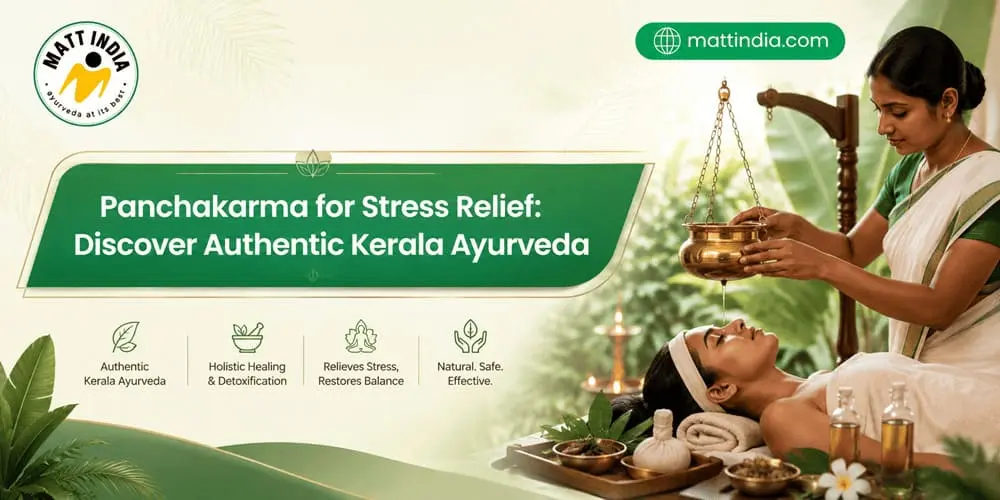
Panchakarma for Stress Relief: Experience Authentic Healing in Kerala

Panchakarma for Stress Relief: Experience Authentic Healing in Kerala

Panchakarma for Stress Relief: Experience Authentic Healing in Kerala. Modern life rarely slows down. Between demanding work schedules, family responsibilities, digital distractions, and irregular routines, stress has become a part of everyday living for many people. While occasional stress is normal, long-term mental and physical strain can affect sleep, digestion, immunity, energy levels, and emotional wellbeing. Therefore, finding a natural and sustainable way to restore balance has become more important than ever.

One of the most respected Ayurvedic therapies for deep rejuvenation is Panchakarma for Stress Relief. Rooted in centuries-old Ayurvedic wisdom, Panchakarma is designed to cleanse the body, calm the mind, and promote overall wellness. Kerala, often regarded as the heart of Ayurveda, offers an ideal environment for experiencing this authentic healing practice.

At MATT INDIA AYURVEDA, we combine traditional Ayurvedic knowledge with personalised care, helping individuals reconnect with their health through genuine Panchakarma therapies in the peaceful surroundings of Kerala.

What Is Panchakarma?

Panchakarma is a comprehensive Ayurvedic detoxification and rejuvenation programme. The word itself means "five actions," referring to five specialised cleansing procedures that aim to remove accumulated toxins, restore balance among the body's doshas, and improve overall vitality.

Unlike quick detox trends, Panchakarma follows a carefully planned process that includes preparation, cleansing, and recovery. Every treatment plan is customised according to the individual's body constitution, health condition, and wellness goals.

Why Stress Needs More Than Temporary Relief

Stress affects more than just the mind. Over time, it can influence several systems within the body.

Common effects of prolonged stress include:

  • Poor sleep quality
  • Muscle tension
  • Fatigue
  • Digestive discomfort
  • Mood fluctuations
  • Reduced concentration
  • Low energy
  • Weakened immunity

Instead of only addressing these symptoms individually, Panchakarma for Stress Relief focuses on restoring balance throughout the body and mind.

Why Kerala Is the Best Place for Authentic Panchakarma

Kerala has earned worldwide recognition as a leading destination for Ayurvedic wellness. Its tropical climate, abundance of medicinal herbs, and long-standing Ayurvedic traditions create the perfect setting for holistic healing.

Several factors make Kerala unique:

FeatureBenefit
Traditional Ayurvedic heritageAuthentic treatment methods
Natural medicinal herbsHigh-quality herbal preparations
Calm environmentSupports relaxation and recovery
Experienced Ayurvedic practitionersPersonalised wellness guidance
Tropical climateFavourable for Ayurvedic therapies

The peaceful atmosphere itself often becomes part of the healing experience.

How Panchakarma Supports Stress Relief

1. Promotes Deep Relaxation

One of the first benefits many people notice is a profound sense of relaxation.

Therapeutic Ayurvedic massages, herbal oils, and calming therapies help relax both the body and mind. Consequently, stress levels often reduce naturally over time.

2. Encourages Natural Detoxification

According to Ayurveda, accumulated toxins may disturb the body's natural balance.

Panchakarma aims to gently eliminate these impurities through carefully supervised cleansing procedures, allowing the body to function more efficiently.

3. Helps Balance the Doshas

Ayurveda identifies three primary doshas:

  • Vata
  • Pitta
  • Kapha

Stress frequently aggravates Vata, leading to anxiety, restlessness, and disturbed sleep. Panchakarma therapies are designed to restore harmony among these doshas, supporting emotional and physical wellbeing.

4. Supports Better Sleep

Many individuals struggling with chronic stress also experience poor sleep.

By calming the nervous system and encouraging relaxation, Panchakarma may help improve sleep quality, allowing the body to recover more effectively.

5. Improves Mental Clarity

Mental fatigue often accompanies prolonged stress.

After completing a personalised Panchakarma programme, many people report:

  • Improved concentration
  • Better emotional balance
  • Increased focus
  • Greater mental clarity
  • Enhanced overall wellbeing

Individual experiences naturally vary from person to person.

Related Articles:

» Why Kerala is the Best Destination for Ayurveda Treatments

» Ayurvedic Treatments for Back Pain and Spine Health

» Ayurveda for Skin: Natural Treatments for Radiant Skin

» How Ayurveda Helps You Achieve Mental Clarity and Peace?

» Ayurveda Treatment for Stress, Digestion and Overall Wellness

Common Therapies Included in Panchakarma

The exact treatments depend on each person's Ayurvedic assessment.

Some commonly recommended therapies include:

TherapyPurpose
AbhyangaFull-body herbal oil massage
ShirodharaContinuous flow of warm herbal oil over the forehead
SwedanaHerbal steam therapy
NasyaNasal cleansing therapy
BastiAyurvedic medicated enema (when appropriate)

These therapies are selected carefully based on individual health needs and should always be performed under qualified Ayurvedic supervision.

Who May Benefit from Panchakarma?

Panchakarma for Stress Relief may be suitable for individuals experiencing:

  • High stress levels
  • Mental fatigue
  • Poor sleep
  • Work-related burnout
  • Low energy
  • Emotional imbalance
  • Digestive discomfort related to stress
  • General wellness concerns

However, an Ayurvedic consultation is essential before beginning treatment, as Panchakarma is not suitable for everyone.

Simple Lifestyle Habits That Complement Panchakarma

The benefits of Panchakarma are often enhanced by healthy daily routines.

Recommended habits include:

  • Eating freshly prepared meals
  • Staying hydrated
  • Practising yoga regularly
  • Meditation
  • Gentle breathing exercises
  • Maintaining consistent sleep schedules
  • Limiting processed foods
  • Spending time in nature

Even after completing therapy, these habits help maintain long-term wellbeing.

Panchakarma vs Quick Detox Programmes

PanchakarmaQuick Detox Trends
Personalised treatmentGeneral approach
Guided by Ayurvedic expertsOften self-directed
Holistic healingPrimarily short-term cleansing
Focuses on body and mindUsually diet-focused
Includes recovery phaseLimited follow-up

Panchakarma is not simply about cleansing—it aims to restore balance across multiple aspects of health.

What Makes MATT INDIA AYURVEDA Different?

At MATT INDIA AYURVEDA, we are committed to preserving the authenticity of traditional Ayurvedic practices while providing personalised care for every guest.

Our approach includes:

  • Individual Ayurvedic consultations
  • Personalised Panchakarma programmes
  • Experienced Ayurvedic practitioners
  • Traditional Kerala therapies
  • Genuine herbal preparations
  • Comfortable healing environment
  • Holistic lifestyle guidance
  • Ongoing wellness support

Every wellness journey begins with understanding the individual's unique needs rather than offering one standard treatment for everyone.

What to Expect During Your Panchakarma Journey

Every Panchakarma programme follows a structured process.

Initial Consultation

An Ayurvedic practitioner evaluates your body constitution, health history, and wellness goals.

Preparation Phase

The body is gently prepared using herbal oils, dietary adjustments, and specific therapies.

Cleansing Phase

Selected Panchakarma procedures are performed according to individual requirements.

Recovery Phase

Diet, rest, and lifestyle guidance help maintain the benefits achieved during treatment.

Following the recommended post-treatment advice is just as important as the therapies themselves.

Conclusion

Stress affects every aspect of modern life, but lasting wellness requires more than temporary solutions. Panchakarma for Stress Relief offers a holistic Ayurvedic approach that supports relaxation, detoxification, and overall balance through time-tested therapies.

At MATT INDIA AYURVEDA, we invite you to experience authentic Panchakarma in the peaceful surroundings of Kerala. Guided by experienced Ayurvedic professionals, our personalised programmes are designed to help you restore harmony between body and mind while embracing the rich healing traditions that Kerala is known for around the world.

Social:

https://in.pinterest.com/pin/395261304820512720/

https://x.com/matt_india/status/2076915890269172115

https://www.linkedin.com/feed/update/urn:li:share:7482682601149845505/

https://www.linkedin.com/feed/update/urn:li:share:7482682858843578368/

https://www.facebook.com/ayurvedictreatmentcentre/posts/pfbid0K6YeL6PoRUJhPWbnkx1uKeXJa49Ae94mZw7eivYPR2co4gbyZ1TSbCUCtXTKTWpPl

Friday, 10 July 2026

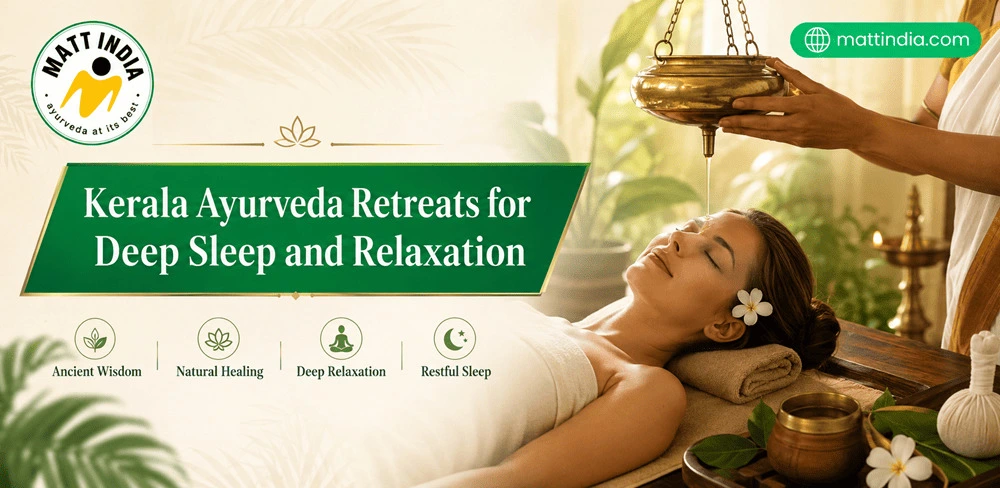
Kerala Ayurveda Retreats for Deep Sleep and Relaxation

Kerala Ayurveda Retreats for Deep Sleep and Relaxation

Kerala Ayurveda Retreats for Deep Sleep and Relaxation. Modern life rarely slows down. Busy schedules, constant screen time, work pressure and irregular routines often leave people feeling mentally exhausted and physically drained. Over time, these habits may affect sleep quality, increase stress levels and reduce overall wellbeing. While many people look for quick fixes, lasting relaxation usually comes from addressing the root causes of imbalance.

This is where Kerala Ayurveda retreats offer a different approach. Rooted in centuries-old Ayurvedic wisdom, these retreats combine personalised therapies, nourishing food, yoga, meditation and lifestyle guidance to help restore harmony between the body and mind. At MATT INDIA AYURVEDA, guests experience authentic Ayurvedic care in a peaceful environment designed to encourage deep sleep, relaxation and natural rejuvenation.

Why Quality Sleep Matters

Sleep is not simply a time to rest. During sleep, the body repairs tissues, balances hormones, strengthens the immune system and processes daily experiences. Poor sleep over a long period may leave you feeling tired, irritable and less focused.

Some common signs of poor sleep include:

  • Difficulty falling asleep
  • Waking up frequently during the night
  • Feeling tired after waking
  • Daytime fatigue
  • Reduced concentration
  • Mood changes
  • Increased stress

Improving sleep quality often supports better physical and emotional health.

What Makes Kerala Ayurveda Retreats Unique?

Unlike ordinary wellness holidays, Kerala Ayurveda retreats focus on understanding each person's unique constitution, known in Ayurveda as Prakriti. Experienced Ayurvedic practitioners assess lifestyle, diet, sleep habits and overall wellbeing before recommending suitable therapies.

Rather than offering one standard treatment for everyone, each wellness plan is personalised according to individual needs.

This holistic approach helps promote relaxation while encouraging healthy daily habits.

Key Features of an Ayurveda Retreat

A traditional Ayurveda retreat in Kerala may include:

  • Personal Ayurvedic consultation
  • Daily herbal therapies
  • Relaxing oil massages
  • Yoga sessions
  • Guided meditation
  • Balanced Ayurvedic meals
  • Herbal remedies
  • Breathing exercises
  • Lifestyle counselling

Together, these elements create an environment that supports deep rest and recovery.

Ayurvedic Therapies That Promote Deep Sleep

Several traditional therapies are commonly used to encourage relaxation and improve sleep quality.

1. Abhyanga (Full Body Oil Massage)

Abhyanga involves rhythmic massage using warm herbal oils selected according to your body type.

Potential benefits include:

  • Relaxing muscles
  • Improving circulation
  • Reducing physical tension
  • Supporting restful sleep
  • Nourishing the skin

Many guests describe feeling calm and refreshed after each session.

2. Shirodhara

Shirodhara is one of the best-known Ayurvedic therapies for mental relaxation.

During the treatment, a gentle stream of warm herbal oil flows continuously over the forehead.

Traditionally, this therapy is used to promote:

  • Mental calmness
  • Reduced stress
  • Improved relaxation
  • Better sleep quality
  • Emotional balance

Experiences vary between individuals, and scientific evidence is still evolving.

3. Herbal Steam Therapy

Herbal steam helps relax muscles after massage while supporting overall comfort.

This therapy may:

  • Encourage sweating
  • Promote relaxation
  • Ease muscle stiffness
  • Support circulation

It is commonly included in personalised wellness programmes.

4. Gentle Yoga and Stretching

Daily yoga sessions complement Ayurvedic treatments by encouraging flexibility, breathing awareness and relaxation.

Suitable practices may include:

  • Gentle stretching
  • Breathing exercises
  • Guided relaxation
  • Mindfulness

These activities help many people unwind naturally before bedtime.

Related Articles:

» Why Kerala is the Best Destination for Ayurveda Treatments

» Ayurvedic Treatments for Back Pain and Spine Health

» Ayurveda for Skin: Natural Treatments for Radiant Skin

» How Ayurveda Helps You Achieve Mental Clarity and Peace?

» Ayurveda Treatment for Stress, Digestion and Overall Wellness

The Role of Ayurvedic Nutrition

Food plays an important role in Ayurveda.

During a retreat, meals are generally:

  • Freshly prepared
  • Seasonal
  • Easy to digest
  • Rich in natural ingredients
  • Balanced according to Ayurvedic principles

Many retreat programmes also encourage regular meal timings, which may support healthy digestion and overall wellbeing.

Benefits of Kerala Ayurveda Retreats

Every guest's experience is unique, yet many participants report improvements in several areas.

Potential BenefitHow It May Help
Deep RelaxationReduces mental and physical tension
Improved Sleep RoutineEncourages consistent bedtime habits
Stress ReductionSupports emotional wellbeing
Better Energy LevelsPromotes overall vitality
Improved DigestionEncourages healthy eating habits
Mind-Body BalanceSupports holistic wellness

Individual results vary depending on personal health, lifestyle and participation in the programme.

Who Can Benefit from an Ayurveda Retreat?

An Ayurveda wellness retreat may be suitable for adults who wish to:

  • Reduce everyday stress
  • Improve sleep habits
  • Enjoy holistic relaxation
  • Learn healthier lifestyle practices
  • Take a break from busy routines
  • Support overall wellbeing

People with existing medical conditions should consult their healthcare provider before beginning any wellness programme.

Simple Habits to Support Better Sleep

Even after returning home, maintaining healthy habits can help extend the benefits of your retreat.

Try to:

  • Keep a regular sleep schedule.
  • Reduce screen time before bed.
  • Eat lighter evening meals.
  • Practise deep breathing.
  • Stay physically active.
  • Limit caffeine late in the day.
  • Create a calm sleeping environment.

Small daily changes often make a noticeable difference over time.

Why Choose MATT INDIA AYURVEDA?

At MATT INDIA AYURVEDA, we combine authentic Ayurvedic traditions with personalised care to create meaningful wellness experiences.

Our retreat programmes focus on:

  • Individual Ayurvedic consultations
  • Traditional Kerala therapies
  • Experienced Ayurvedic practitioners
  • Natural herbal treatments
  • Yoga and meditation
  • Balanced Ayurvedic meals
  • Peaceful surroundings
  • Holistic wellness guidance

Every programme is thoughtfully planned to support relaxation while helping guests reconnect with healthy daily routines.

What to Expect During Your Stay

Although every programme is personalised, a typical day may include:

TimeActivity
MorningYoga and breathing exercises
BreakfastAyurvedic meal
Mid-MorningPersonal consultation or therapy
AfternoonHerbal lunch and relaxation
EveningMeditation or gentle yoga
NightLight dinner and relaxation guidance

This balanced schedule allows both the body and mind to slow down naturally.

Conclusion

Quality sleep and deep relaxation are essential parts of good health. Unfortunately, modern lifestyles often make both difficult to achieve. Kerala Ayurveda retreats provide a peaceful environment where traditional therapies, personalised wellness plans and mindful living come together to support better rest and overall wellbeing.

Whether you are looking to reduce stress, improve your sleep routine or simply enjoy a restorative break, MATT INDIA AYURVEDA offers authentic Ayurvedic experiences inspired by Kerala's rich healing traditions. With expert guidance and holistic care, your journey towards better sleep and lasting relaxation can begin naturally.

Social:

https://in.pinterest.com/pin/395261304820486266/

https://x.com/matt_india/status/2075532348091998476

https://www.linkedin.com/feed/update/urn:li:share:7481298935865602048/

https://www.linkedin.com/feed/update/urn:li:share:7481299336308654080/

https://www.facebook.com/ayurvedictreatmentcentre/posts/pfbid0KxTF6Y7JVHTHr9ScXwk42qxxreGjmWWbH3NjtevFjTYZhTqG6bMMz3J7f52aDsHzl