Showing posts with label ayurvediclifestyle. Show all posts

Thursday, 21 May 2026

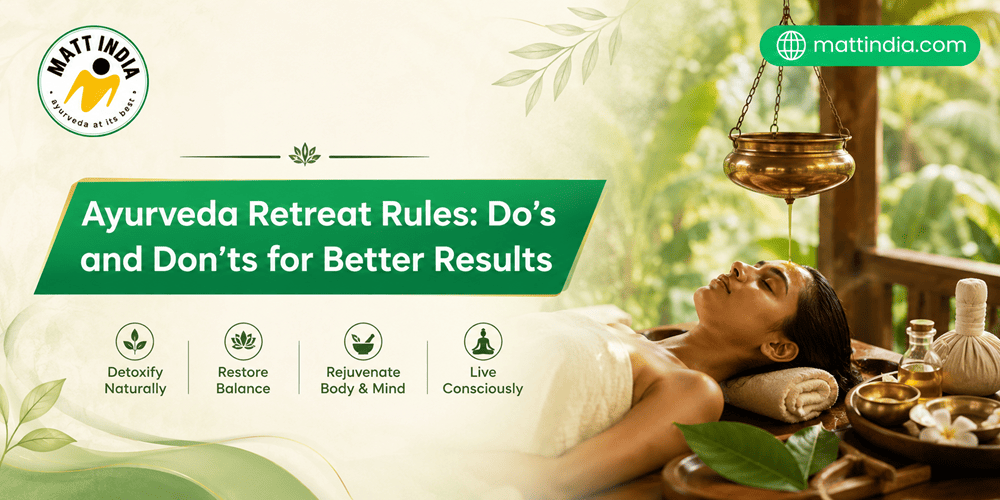
Ayurveda Retreat Rules: Do’s and Don’ts for Better Results

Ayurveda Retreat Rules: Do’s and Don’ts for Better Results

Ayurveda Retreat Rules: Do’s and Don’ts for Better Results. Modern life moves fast, and because of that many people now search for natural healing methods that calm the body and mind together. An Ayurveda retreat offers more than a vacation. It gives a chance to reset unhealthy habits, improve digestion, reduce stress, and restore inner balance naturally. However, many guests fail to get the best results because they ignore simple retreat guidelines.

If you truly want long-lasting wellness benefits, then understanding the right Ayurveda retreat rules becomes very important. Small daily choices during the retreat can either support healing or delay recovery. Therefore, following proper routines, food habits, and mental discipline helps your body respond faster to Ayurvedic therapies.

In this guide, you will learn the major do’s and don’ts that improve your retreat experience and help you achieve better results naturally.

Why Ayurveda Retreat Rules Matter

An authentic Ayurvedic wellness retreat works differently from ordinary spa holidays. Ayurveda focuses on balancing the doshas — Vata, Pitta, and Kapha. Every therapy, herbal medicine, yoga session, and diet plan is designed carefully according to your body constitution.

Therefore, if you break the recommended routine, eat unhealthy food, or skip therapies, your body may not respond properly. On the other hand, when you follow the retreat discipline sincerely, detoxification becomes smoother and healing improves deeply.

Additionally, proper retreat behavior helps improve:

  • Digestion
  • Sleep quality
  • Stress management
  • Energy levels
  • Mental clarity
  • Emotional balance
  • Skin health
  • Body flexibility

Do’s During an Ayurveda Retreat

1. Follow the Recommended Diet Strictly

Diet plays a major role in Ayurvedic healing. Most retreat centers provide fresh vegetarian meals prepared with healing herbs and spices. These foods support detoxification and improve digestion naturally.

Therefore, eat meals on time and avoid overeating. Warm foods usually work better during Ayurvedic treatments because they support digestive fire, also called Agni.

Best dietary practices:

  • Drink warm water regularly
  • Eat freshly cooked meals
  • Include herbal teas
  • Chew food slowly
  • Avoid cold beverages

Following the correct Ayurvedic diet during retreat improves treatment effectiveness significantly.

2. Wake Up Early

Ayurveda encourages waking before sunrise because early morning hours bring mental calmness and positive energy. Additionally, morning routines improve digestion and support body cleansing.

Most retreats include:

  • Meditation
  • Yoga
  • Breathing exercises
  • Herbal drinks

When you wake up late, your natural body rhythm gets disturbed. Consequently, you may feel tired throughout the day.

3. Attend Every Therapy Session

Every therapy in an Ayurveda healing retreat has a purpose. Oil massages, steam treatments, Panchakarma therapies, and herbal applications work together gradually.

Therefore, consistency matters a lot. Missing sessions may interrupt the detox process and reduce overall benefits.

Popular Ayurvedic therapies include:

  • Abhyanga massage
  • Shirodhara
  • Panchakarma detox
  • Herbal steam therapy
  • Nasya treatment

4. Practice Mindfulness Daily

Healing does not happen only through medicines. Mental peace also supports physical recovery. Therefore, many Ayurvedic doctors recommend mindfulness practices during retreats.

You can practice:

  • Meditation
  • Deep breathing
  • Silent walks
  • Gratitude journaling
  • Gentle yoga

These activities help calm the nervous system while reducing anxiety naturally.

5. Stay Hydrated Properly

Detoxification releases toxins from the body. Because of that, proper hydration becomes essential during Ayurvedic treatments.

Drink:

  • Warm water
  • Herbal water
  • Ayurvedic detox teas

However, avoid ice water because it slows digestion and weakens Agni.

6. Trust the Healing Process

Some guests expect instant transformation within two days. Ayurveda works gradually and deeply. Therefore, patience becomes important.

Sometimes the body may feel tired during detoxification. This is normal because toxins start leaving the system slowly. Continue following the doctor's advice for better long-term results.

Don’ts During an Ayurveda Retreat

1. Avoid Junk Food Completely

One of the biggest mistakes people make is eating outside food secretly. Processed food, sugar, fried snacks, and soft drinks disturb digestion badly.

Even small unhealthy meals can reduce therapy effectiveness. Therefore, avoid:

  • Fast food
  • Alcohol
  • Soft drinks
  • Excess coffee
  • Packaged snacks

A clean diet supports faster healing naturally.

2. Don’t Skip Rest

Ayurvedic therapies sometimes make the body feel relaxed or sleepy. That is completely natural. However, many guests overuse phones, work remotely, or stay awake late at night.

Lack of rest weakens recovery. Therefore, sleep early and give your body enough recovery time.

3. Avoid Excess Screen Time

Too much mobile or laptop usage overstimulates the brain. Because of that, stress hormones may increase again.

An Ayurveda detox retreat aims to calm both body and mind. Therefore, reduce:

  • Social media scrolling
  • Late-night movies
  • Excessive phone calls
  • Office work stress

Instead, spend time in nature and focus on inner healing.

4. Don’t Compare Your Healing Journey

Every body responds differently to Ayurveda. Some people notice quick changes while others improve gradually. Comparing results creates unnecessary frustration.

Therefore, focus on your personal healing process instead of watching others constantly.

5. Avoid Heavy Exercise

Intense gym workouts are usually not recommended during Panchakarma or deep detox programs. The body needs energy for cleansing and recovery.

Instead, practice:

  • Gentle yoga
  • Walking
  • Stretching
  • Breathing exercises

This approach supports natural balance without exhausting the body.

6. Don’t Ignore Doctor Instructions

Ayurvedic doctors study your body constitution carefully before creating treatment plans. Ignoring herbal medicines, dietary advice, or lifestyle rules can reduce results greatly.

Therefore, communicate openly with your therapist and follow instructions honestly.

Related Articles:

» Why Kerala is the Best Destination for Ayurveda Treatments

» Ayurvedic Treatments for Back Pain and Spine Health

» Ayurveda for Skin: Natural Treatments for Radiant Skin

» How Ayurveda Helps You Achieve Mental Clarity and Peace?

» Ayurveda Treatment for Stress, Digestion and Overall Wellness

How to Get Maximum Benefits from an Ayurveda Retreat

To receive the best experience from an Ayurvedic wellness program, consistency matters more than perfection. Small healthy actions repeated daily create stronger long-term changes.

Important habits for better results:

  • Maintain discipline
  • Stay mentally positive
  • Eat clean foods
  • Sleep on time
  • Follow therapy schedules
  • Practice mindfulness
  • Reduce stress triggers

Additionally, continuing healthy habits even after returning home helps maintain retreat benefits for a longer time.

Conclusion

An Ayurveda retreat can completely transform your physical and mental wellbeing when followed correctly. Simple lifestyle discipline, proper diet, mindful living, and therapy consistency create powerful healing effects naturally.

However, many people expect miracles without following the retreat guidelines seriously. Ayurveda works best when you cooperate with the healing process patiently.

Therefore, follow these important do’s and don’ts carefully to enjoy deeper detoxification, better relaxation, improved digestion, emotional stability, and long-lasting wellness benefits. Small mindful efforts during the retreat often create life-changing results later. Sometimes people ignore these little things, but actually they matter the most in Ayurvedic healing journey.


Social:

https://in.pinterest.com/pin/395261304820159110

https://x.com/matt_india/status/2057422479879180434

https://www.facebook.com/ayurvedictreatmentcentre/posts/pfbid02FCfkmHvfMP9va3E5wN3enAtRrfF4p8GW5bJBwSEjT8wiJUQcyV3qPtm2YYkwaSL4l

https://www.linkedin.com/feed/update/urn:li:share:7463433048529928192/

https://www.linkedin.com/feed/update/urn:li:share:7463433537409683456/?actorCompanyId=30228016

Wednesday, 18 February 2026

The Role of Diet in Ayurveda: Eating for Balance and Health

The Role of Diet in Ayurveda: Eating for Balance and Health 
The Role of Diet in Ayurveda: Eating for Balance and Health. In today’s fast-paced world, people often eat quickly, skip meals, or rely on processed food. However, Ayurveda teaches something completely different. According to this ancient Indian healing system, food is not only fuel. Instead, food is medicine, energy, and a direct path to balance.

Ayurveda believes that your health depends on harmony between your body, mind, and spirit. Therefore, diet plays a central role in maintaining wellness. Moreover, Ayurveda does not support a “one diet fits all” approach. Rather, it encourages eating based on your unique body type, digestion strength, lifestyle, and seasonal needs.

At MATT INDIA AYURVEDA, we strongly believe that proper eating habits can transform your health naturally. Additionally, Ayurvedic dietary principles help reduce stress, improve digestion, boost immunity, and support long-term wellness.

So, let’s explore how Ayurvedic diet works and why it remains one of the most powerful natural tools for balanced living.

Understanding the Ayurvedic View of Food

In Ayurveda, food is known as Ahara, and it is considered one of the three pillars of life, along with sleep and controlled energy. Therefore, Ayurveda treats diet as a daily therapy rather than a simple routine.

Moreover, Ayurveda focuses on digestion more than calories. It teaches that even the healthiest food can create toxins if digestion remains weak. As a result, the quality of digestion matters as much as the quality of food.

Ayurveda also believes that your body creates energy, immunity, and mental clarity from food. Therefore, eating the right food at the right time supports physical and emotional well-being.

The Concept of Agni: The Digestive Fire

One of the most important Ayurvedic concepts is Agni, which means digestive fire. Agni represents your body’s ability to digest food, absorb nutrients, and remove waste.

If your Agni is strong, you feel energetic and light. However, if your Agni becomes weak, you may experience bloating, constipation, fatigue, acidity, and weight gain.

Additionally, weak digestion can create Ama, which refers to toxins in the body. Over time, Ama may cause inflammation, skin problems, joint pain, and chronic illness.

That is why Ayurveda says:
“When digestion is healthy, health is possible.”

Therefore, Ayurvedic diet focuses on strengthening Agni instead of restricting food unnecessarily.

Doshas and Diet: Eating According to Your Body Type

Ayurveda divides body constitution into three main energies known as Doshas:

  • Vata (Air + Space)

  • Pitta (Fire + Water)

  • Kapha (Earth + Water)

Each person has a unique balance of these doshas. However, imbalance can cause health issues. Therefore, Ayurvedic food recommendations depend heavily on dosha type.

Moreover, the same food can benefit one person and disturb another. That is why Ayurveda avoids universal diet trends.

Vata Dosha Diet (For Air and Space Energy)

People with Vata dominance often feel energetic, creative, and active. However, they may also experience dryness, anxiety, constipation, and irregular appetite.

Best foods for Vata balance:

  • Warm soups and stews

  • Cooked grains like rice and oats

  • Milk, ghee, and healthy oils

  • Sweet fruits like bananas and mango

  • Root vegetables like carrots and sweet potatoes

Foods to avoid for Vata:

  • Raw salads in excess

  • Cold drinks and iced water

  • Dry snacks and crackers

  • Too much caffeine

Additionally, Vata people should eat regular meals because skipping meals increases imbalance.

Pitta Dosha Diet (For Fire and Water Energy)

Pitta individuals are usually sharp, ambitious, and strong in digestion. However, they can suffer from acidity, anger, inflammation, and skin rashes when Pitta rises.

Best foods for Pitta balance:

  • Cooling fruits like watermelon and grapes

  • Coconut water and herbal teas

  • Rice, barley, and oats

  • Leafy greens

  • Dairy in moderation

Foods to avoid for Pitta:

  • Spicy food

  • Excess salt

  • Fried food

  • Alcohol and smoking

  • Sour pickles and vinegar

Moreover, Pitta people should avoid overeating because too much food increases heat in the body.

Kapha Dosha Diet (For Earth and Water Energy)

Kapha people are often calm, strong, and stable. However, Kapha imbalance can lead to weight gain, sluggish digestion, sinus issues, and water retention.

Best foods for Kapha balance:

  • Light and warm meals

  • Spices like ginger, turmeric, and black pepper

  • Lentils and legumes

  • Steamed vegetables

  • Herbal teas

Foods to avoid for Kapha:

  • Heavy dairy products

  • Excess sugar

  • Fried and oily food

  • Too much wheat and rice

  • Cold foods and ice cream

Additionally, Kapha people benefit from smaller portions and more active lifestyle habits.

The Six Tastes in Ayurveda (Shad Rasa)

Unlike modern diets that focus on protein, carbs, and fat, Ayurveda emphasizes the six tastes. According to Ayurveda, every meal should include a balanced combination of these tastes.

The six tastes are:

TasteAyurvedic EffectExamples
SweetNourishing, calmingrice, milk, fruits
SourStimulates digestionlemon, yogurt
SaltyImproves appetiterock salt
PungentBoosts metabolismginger, chili
BitterDetoxifies bodyneem, greens
AstringentCleans and tightens tissueslentils, tea

Moreover, when you eat all six tastes in proper amounts, your cravings reduce naturally. Therefore, Ayurvedic meals feel satisfying without overeating.

Ayurvedic Eating Habits: How You Eat Matters

Ayurveda does not only focus on what you eat. It also emphasizes how you eat.

Even the healthiest meal may harm digestion if you eat it in stress, anger, or hurry. Therefore, Ayurvedic eating is a mindful practice.

Key Ayurvedic eating rules:

  • Eat in a calm environment

  • Chew food properly

  • Avoid overeating

  • Do not eat when emotionally disturbed

  • Drink warm water, not cold water

  • Eat freshly cooked meals when possible

Additionally, Ayurveda recommends eating your main meal at lunchtime because digestion is strongest when the sun is highest.

Related Articles:

» Why Kerala is the Best Destination for Ayurveda Treatments

» Ayurvedic Treatments for Back Pain and Spine Health

» Ayurveda for Skin: Natural Treatments for Radiant Skin

» How Ayurveda Helps You Achieve Mental Clarity and Peace?

» Ayurveda Treatment for Stress, Digestion and Overall Wellness

Seasonal Diet in Ayurveda: Ritucharya for Balance

Ayurveda strongly supports eating according to seasons, known as Ritucharya. Since nature changes, your body also changes. Therefore, your diet should adjust with the climate.

Summer (Pitta season)

  • Eat cooling foods like cucumber, coconut water, and sweet fruits

  • Avoid spicy and oily meals

  • Drink herbal teas like coriander tea

Winter (Kapha and Vata season)

  • Eat warm soups, ghee, and cooked grains

  • Use spices like ginger and cinnamon

  • Avoid cold foods and raw salads

Rainy Season (Weak digestion season)

  • Eat light meals like khichdi

  • Avoid street food and excess dairy

  • Drink warm water with herbs

Moreover, seasonal eating helps prevent allergies, flu, digestion problems, and fatigue.

The Importance of Warm and Cooked Food in Ayurveda

Ayurveda generally prefers warm, cooked meals over raw food. This is because cooked food is easier to digest, especially for people with weak Agni.

Additionally, warm food supports better absorption of nutrients. It also reduces bloating and gas.

However, Ayurveda does not completely reject raw food. Instead, it suggests moderation and personalization.

For example:

  • Kapha types may tolerate raw vegetables better

  • Vata types may struggle with raw salads

Therefore, balance matters more than strict rules.

Ayurvedic Superfoods for Daily Health

Many Ayurvedic foods act like natural medicine. When used regularly, they improve digestion, immunity, and overall wellness.

Powerful Ayurvedic foods include:

Turmeric

Turmeric supports immunity and reduces inflammation. Moreover, it helps detox the liver.

Ghee

Ghee strengthens digestion and nourishes tissues. Additionally, it supports brain function.

Ginger

Ginger improves digestion and reduces gas. Therefore, it is ideal before meals.

Tulsi (Holy Basil)

Tulsi supports respiratory health and reduces stress. Moreover, it boosts immunity naturally.

Amla (Indian Gooseberry)

Amla is rich in Vitamin C. Additionally, it supports skin health and digestion.

At MATT INDIA AYURVEDA, we often recommend these foods because they align with natural healing principles.

What Ayurveda Says About Detox and Fasting

Modern detox trends often focus on extreme juice cleanses. However, Ayurveda promotes gentle detox methods.

Ayurveda recommends:

  • Light meals like khichdi

  • Herbal teas

  • Warm water sipping

  • Triphala for digestion

  • Seasonal cleansing practices like Panchakarma

Additionally, Ayurveda supports fasting only if your body can handle it. Otherwise, it may weaken digestion and increase Vata imbalance.

Therefore, Ayurveda always prioritizes safe and sustainable detox methods.

Common Diet Mistakes Ayurveda Warns Against

Ayurveda explains that poor eating habits create imbalance faster than poor food quality. Therefore, avoiding these mistakes is important:

  • Eating late at night

  • Eating without hunger

  • Drinking cold water during meals

  • Mixing incompatible foods (like milk with fish)

  • Eating too much processed food

  • Eating while watching screens

Moreover, Ayurveda says emotional eating creates toxins faster than physical overeating.

Ayurvedic Diet for Modern Lifestyle in Dubai and Urban Living

Many people today work long hours and eat outside. However, Ayurvedic principles still work even with a busy schedule.

Simple Ayurvedic diet tips for modern life:

  • Start your day with warm water

  • Eat breakfast only if you feel hungry

  • Prefer home-cooked lunch when possible

  • Keep dinner light and early

  • Use spices like cumin and turmeric daily

  • Avoid cold drinks and excessive sugar

Additionally, meal planning makes Ayurvedic eating easier, even for working professionals.

Conclusion

The role of diet in Ayurveda is much deeper than weight loss. Ayurveda uses food to balance energy, strengthen digestion, and prevent disease naturally.

Moreover, Ayurveda teaches that eating should feel nourishing, peaceful, and satisfying. When you eat according to your dosha, season, and digestion, your body responds with better energy, clearer skin, improved sleep, and stronger immunity.

At MATT INDIA AYURVEDA, we believe that correct food choices can heal the body gently and naturally. Therefore, adopting an Ayurvedic diet is not a trend—it is a lifelong investment in health and balance.

If you want personalized Ayurvedic diet guidance, consulting an Ayurvedic expert can help you choose the best foods for your unique body type.

Social:

https://in.pinterest.com/pin/395261304819473268/

https://x.com/matt_india/status/2024043747676135464

https://www.linkedin.com/feed/update/urn:li:share:7429811533905559552/

https://www.linkedin.com/feed/update/urn:li:share:7429811143327735808/

https://www.facebook.com/ayurvedictreatmentcentre/posts/pfbid02A85SFgWSuiJRzBRxd6kobudG1RxiXwYMQ7vabWrV9BMaSofYJwvwPvk2h9dq9K23l

Tuesday, 10 February 2026

Seasonal Wellness with Ayurveda: Treatments for Every Season

Seasonal Wellness with Ayurveda: Treatments for Every Season 
Seasonal Wellness with Ayurveda: Treatments for Every Season. Nature never stays the same, and neither does the human body. One day it feels energetic and light, while the next day it feels heavy, sluggish, or irritated. Interestingly, Ayurveda has explained this seasonal shift for thousands of years. According to Ayurvedic wisdom, every season changes the balance of the doshas in the body. Therefore, the right seasonal routine becomes essential for long-term health.

At MATT INDIA AYURVEDA, we believe wellness should not be temporary. Instead, it should flow naturally with nature. That is why Seasonal Wellness with Ayurveda focuses on aligning your lifestyle, diet, and treatments with each season. When you follow Ayurveda seasonally, you protect your immunity, strengthen digestion, and maintain mental balance.

So, let’s explore how Ayurveda recommends different therapies for every season and how you can stay healthy all year round.

Understanding Seasonal Changes in Ayurveda

Ayurveda teaches that the body is ruled by three energies called Vata, Pitta, and Kapha. These are known as the Tridoshas. Each dosha controls specific functions:

  • Vata controls movement, nervous system, dryness, and circulation

  • Pitta controls heat, metabolism, digestion, and hormones

  • Kapha controls stability, immunity, lubrication, and strength

However, seasons naturally increase or reduce these doshas. As a result, many people experience seasonal issues like allergies, acidity, colds, mood swings, or fatigue.

Therefore, Ayurveda suggests a simple rule:

“Change your lifestyle with the season, not against it.”

That is exactly where seasonal Ayurvedic treatments play a major role.

Spring Wellness (Vasant Ritu): Detox and Lightness

Spring feels refreshing, yet many people struggle with allergies, cough, sinus problems, and heaviness during this time. This happens because Kapha dosha naturally increases in spring.

Additionally, winter’s heavy foods and slow digestion leave toxins behind. Therefore, spring becomes the best season for cleansing.

Common Spring Health Problems

  • Allergies and sneezing

  • Cold and congestion

  • Weight gain

  • Sluggish digestion

  • Skin breakouts

Best Ayurvedic Treatments for Spring

1. Panchakarma Detox Therapy

Spring is ideal for Panchakarma, a powerful Ayurvedic detoxification process. It removes accumulated toxins (Ama) and resets digestion.

Panchakarma may include:

  • Vamana therapy (therapeutic emesis)

  • Virechana (purgation therapy)

  • Herbal detox routines

Therefore, Panchakarma helps restore energy and supports long-term immunity.

2. Udwarthanam (Herbal Powder Massage)

Udwarthanam uses dry herbal powders instead of oils. It improves blood circulation and reduces excess fat. Moreover, it helps reduce Kapha-related heaviness.

This therapy works wonderfully for:

  • Weight management

  • Cellulite reduction

  • Improved metabolism

3. Steam Therapy (Swedana)

Swedana opens the pores and clears congestion. As a result, it becomes perfect for spring sinus issues.

Spring Diet and Lifestyle Tips

To balance Kapha, Ayurveda recommends:

  • Light, warm meals

  • More spices like ginger, black pepper, and turmeric

  • Avoiding dairy, fried foods, and cold drinks

Additionally, morning exercise and yoga help clear Kapha quickly.

Summer Wellness (Grishma Ritu): Cooling and Hydration

Summer increases heat inside the body. Therefore, Pitta dosha becomes dominant. Many people feel irritated, dehydrated, and tired during hot months.

Moreover, excessive sun exposure weakens digestion and reduces stamina.

Common Summer Health Problems

  • Acidity and heartburn

  • Skin rashes and sunburn

  • Dehydration

  • Excess sweating

  • Anger, irritation, and stress

Best Ayurvedic Treatments for Summer

1. Abhyanga with Cooling Oils

In summer, Ayurveda recommends Abhyanga massage using cooling oils like coconut oil, sandalwood oil, or Brahmi oil. This massage calms the nervous system and reduces body heat.

Additionally, Abhyanga improves sleep quality and relaxes muscles.

2. Shirodhara Therapy

Shirodhara involves pouring warm herbal oil or medicated liquids on the forehead in a continuous stream. This therapy deeply relaxes the brain and reduces mental stress.

It is highly recommended for:

  • Anxiety

  • Insomnia

  • Migraine

  • Emotional imbalance

Therefore, Shirodhara becomes a perfect summer therapy because heat often disturbs the mind.

3. Takradhara (Buttermilk Therapy)

Takradhara uses medicated buttermilk instead of oil. It cools the head and balances Pitta quickly. Furthermore, it helps treat scalp irritation and hair fall.

Summer Diet and Lifestyle Tips

To balance Pitta:

  • Eat hydrating fruits like watermelon, cucumber, and pomegranate

  • Drink herbal water with fennel or coriander

  • Avoid spicy food, alcohol, and sour items

Also, avoid heavy workouts in the afternoon. Instead, practice calming yoga and breathing exercises.

Related Articles:

» Why Kerala is the Best Destination for Ayurveda Treatments

» Ayurvedic Treatments for Back Pain and Spine Health

» Ayurveda for Skin: Natural Treatments for Radiant Skin

» How Ayurveda Helps You Achieve Mental Clarity and Peace?

» Ayurveda Treatment for Stress, Digestion and Overall Wellness

Monsoon Wellness (Varsha Ritu): Digestive Strength and Immunity

Monsoon is beautiful, yet it often brings infections and digestion issues. According to Ayurveda, monsoon increases Vata dosha and also weakens digestive fire (Agni).

As a result, people suffer from gas, bloating, joint pain, and low immunity.

Common Monsoon Health Problems

  • Indigestion and acidity

  • Diarrhea or constipation

  • Joint pain and stiffness

  • Skin fungal infections

  • Cold and fever

Best Ayurvedic Treatments for Monsoon

1. Basti Therapy (Medicated Enema)

Ayurveda calls Basti the best treatment for Vata imbalance. It cleanses the colon and strengthens digestion.

There are two main types:

  • Niruha Basti (herbal decoction enema)

  • Anuvasana Basti (medicated oil enema)

Therefore, Basti becomes extremely effective during monsoon for joint pain and gut health.

2. Pizhichil Therapy

Pizhichil is a luxurious therapy where warm medicated oil is poured over the body while gentle massage continues. It nourishes tissues and reduces Vata dryness.

It works best for:

  • Arthritis

  • Back pain

  • Muscle weakness

  • Stress-related fatigue

3. Herbal Steam Therapy

Steam helps open channels and remove toxins. Additionally, it improves circulation and reduces stiffness.

Monsoon Diet and Lifestyle Tips

During monsoon:

  • Eat warm soups and herbal teas

  • Add ginger, cumin, and turmeric in meals

  • Avoid raw salads and street food

  • Prefer boiled water

Moreover, keep your body dry and avoid sleeping during daytime.

Autumn Wellness (Sharad Ritu): Pitta Detox and Skin Care

Autumn comes after monsoon, and it often increases Pitta again because heat remains trapped in the body. Therefore, many people face skin issues and digestive irritation.

Additionally, the body becomes more sensitive during this transition period.

Common Autumn Health Problems

  • Skin acne and pigmentation

  • Hyperacidity

  • Headaches

  • Excess thirst

  • Inflammation and heat boils

Best Ayurvedic Treatments for Autumn

1. Virechana (Pitta Cleansing Therapy)

Virechana is one of the main Panchakarma therapies. It helps remove excess Pitta from the liver and intestines.

Therefore, it supports:

  • Skin glow

  • Clear digestion

  • Reduced inflammation

  • Balanced hormones

2. Face and Skin Herbal Treatments

Autumn is a good time for herbal face packs and natural Ayurvedic skin care. Neem, turmeric, sandalwood, and aloe vera are widely recommended.

3. Netra Tarpana (Eye Rejuvenation Therapy)

If your eyes feel dry, tired, or irritated, Netra Tarpana helps a lot. It nourishes the eyes using medicated ghee.

Autumn Diet and Lifestyle Tips

To cool Pitta:

  • Eat bitter vegetables like karela

  • Add ghee in meals

  • Avoid excessive tea, coffee, and spicy food

  • Sleep early and reduce screen time

Additionally, practice meditation and calm breathing exercises.

Winter Wellness (Hemant & Shishir Ritu): Nourishment and Strength

Winter is the season of strength, but only if you support your body properly. Ayurveda says digestion becomes strong in winter. Therefore, the body can handle heavier meals.

However, cold weather increases Vata dosha, leading to dryness, joint pain, and low circulation.

Common Winter Health Problems

  • Dry skin and cracked lips

  • Joint pain

  • Low mood and tiredness

  • Frequent cold and cough

  • Poor blood circulation

Best Ayurvedic Treatments for Winter

1. Abhyanga with Warm Sesame Oil

Winter is the best season for daily oil massage. Sesame oil Abhyanga warms the body, nourishes joints, and reduces dryness.

Moreover, it improves circulation and strengthens immunity.

2. Swedana (Herbal Steam Therapy)

Steam therapy removes stiffness and relaxes muscles. Additionally, it keeps the body warm and reduces pain.

3. Kati Basti and Janu Basti

These are localized oil pool therapies:

  • Kati Basti for lower back pain

  • Janu Basti for knee pain

Therefore, they are highly recommended for arthritis and chronic pain.

4. Rasayana Therapy (Rejuvenation Treatment)

Winter is the perfect time for Rasayana therapy, which strengthens immunity and slows aging. Ashwagandha, Chyawanprash, Shatavari, and Brahmi are commonly used.

Winter Diet and Lifestyle Tips

To balance Vata in winter:

  • Eat warm foods like soups, ghee, milk, and nuts

  • Use spices like cinnamon, clove, and cardamom

  • Avoid cold drinks and raw foods

Also, sleep well and stay hydrated even if you don’t feel thirsty.

Why Seasonal Ayurveda Matters for Long-Term Health

Many people treat illness only after symptoms appear. However, Ayurveda focuses on prevention first. That is why seasonal wellness routines help stop disease before it begins.

When you follow seasonal Ayurveda:

  • Your digestion stays stable

  • Your immunity becomes stronger

  • Your skin stays healthier

  • Your mood remains balanced

  • Your energy levels improve naturally

Therefore, seasonal Ayurveda is not just traditional—it is highly practical even today.

Seasonal Wellness Programs at MATT INDIA AYURVEDA

At MATT INDIA AYURVEDA, our expert Ayurvedic doctors create customized seasonal plans based on your dosha type and body condition.

Our programs include:

  • Panchakarma detox therapies

  • Abhyanga massage treatments

  • Shirodhara stress relief therapy

  • Virechana and Basti treatments

  • Diet and lifestyle consultation

  • Herbal medicine support

Most importantly, we guide you step-by-step so that your body adapts smoothly to every season.

Conclusion

Every season brings a new rhythm, and Ayurveda teaches us to move with that rhythm instead of resisting it. Therefore, seasonal treatments are not luxury therapies—they are natural health tools.

If you want to feel lighter in spring, calmer in summer, stronger in monsoon, clearer in autumn, and nourished in winter, Ayurveda offers a complete roadmap.

At MATT INDIA AYURVEDA, we help you follow this roadmap with authentic therapies and expert care. Because when you respect the seasons, your body rewards you with long-lasting wellness.

Social:

https://in.pinterest.com/pin/395261304819419037/

https://x.com/matt_india/status/2021433752732455187

https://www.linkedin.com/feed/update/urn:li:share:7427202022937927680/

https://www.linkedin.com/feed/update/urn:li:share:7427201706314170368/

https://www.facebook.com/ayurvedictreatmentcentre/posts/pfbid025cBnW6cnSe8oftuXRnFPoNwhfCEjPYYtWwyimXDsLKPy44TXPDhc5nmRu6UHguL5l

Friday, 23 January 2026

Ayurveda for Weight Management: Traditional Methods for Modern Problems

Ayurveda for Weight Management: Traditional Methods for Modern Problems

Ayurveda for Weight Management: Traditional Methods for Modern Problems. Weight management has become a pressing concern in modern life. Busy schedules, processed foods, and sedentary lifestyles contribute to rising obesity and metabolic disorders. However, ancient wisdom from Ayurveda provides natural and effective methods to maintain healthy weight. Unlike quick fixes, Ayurveda focuses on balance, digestion, and lifestyle changes that offer long-term results.

At MATT INDIA AYURVEDA, we specialize in programs that integrate Ayurvedic principles, herbal remedies, and lifestyle practices for sustainable weight management. Therefore, whether you are seeking to lose weight, improve metabolism, or prevent future weight gain, Ayurveda offers solutions tailored to modern problems.

Understanding Weight Management in Ayurveda

Ayurveda views weight not just as a number on a scale but as a reflection of dosha balance, metabolism (Agni), and digestive efficiency. Imbalances in Vata, Pitta, or Kapha doshas can lead to excess weight or difficulty losing it.

  • Kapha imbalance often results in weight gain and water retention.

  • Pitta imbalance may lead to fat accumulation around the midsection.

  • Vata imbalance sometimes causes weight loss but may disrupt energy levels.

Therefore, effective weight management starts with understanding your unique body constitution and addressing imbalances naturally.

Why Modern Problems Require Traditional Solutions

Modern challenges like processed food, stress, and inactivity cannot always be solved with dieting alone. While conventional approaches focus on calorie restriction or exercise, they often neglect root causes.

In contrast, Ayurveda considers digestion, metabolism, and mental balance. Moreover, herbal remedies, detoxification, and lifestyle modifications work together to create lasting changes. Consequently, Ayurveda for weight management is not just about shedding pounds but achieving holistic wellness.

Key Ayurvedic Principles for Weight Management

1. Agni (Digestive Fire)

Strong digestion is central to weight control. When Agni is weak, toxins (Ama) accumulate, leading to fat storage. Therefore, stimulating digestion through warm meals, herbal teas, and spices like ginger, black pepper, and turmeric is essential.

2. Dosha Balance

Maintaining Kapha, Pitta, and Vata in harmony prevents weight gain. For example:

  • Kapha types benefit from light, dry foods and regular exercise.

  • Pitta types require cooling foods and stress management.

  • Vata types need grounding, nourishing meals to maintain energy.

3. Herbal Support

Ayurveda uses herbs such as Guggul, Triphala, and Fenugreek to boost metabolism, support fat breakdown, and improve digestion naturally.

4. Detoxification

Periodic detoxification through Panchakarma therapies removes accumulated toxins. As a result, metabolism improves, and weight management becomes easier.

Ayurvedic Diet for Weight Management

A balanced Ayurvedic diet is essential for managing weight effectively. Key guidelines include:

  • Eat according to your dosha: Foods that balance your constitution aid digestion and prevent fat accumulation.

  • Favor whole, fresh foods: Seasonal vegetables, fruits, grains, and legumes are ideal.

  • Spices for metabolism: Ginger, turmeric, cumin, and black pepper stimulate Agni.

  • Avoid processed foods and excess sugar: These disrupt digestion and increase Kapha.

  • Eat mindfully: Chew thoroughly and avoid overeating.

Furthermore, Ayurveda emphasizes regular meal times and light dinners to improve digestion and prevent fat storage.

Lifestyle Practices for Weight Control

Weight management is not only about diet. Ayurveda stresses lifestyle adjustments for sustainable results.

  • Daily exercise: Yoga, brisk walking, and strength training balance doshas and boost metabolism.

  • Adequate sleep: Proper rest regulates hormones that affect appetite and weight.

  • Stress management: Meditation, Pranayama, and mindfulness reduce cortisol, preventing weight gain.

  • Hydration: Warm water and herbal teas flush toxins and support metabolism.

Moreover, integrating these practices consistently ensures lasting weight control without harsh restrictions.

Ayurvedic Therapies for Weight Management

1. Abhyanga (Herbal Oil Massage)

This therapy stimulates circulation, improves lymphatic flow, and enhances fat metabolism.

2. Swedana (Steam Therapy)

Promotes detoxification, removes excess fluids, and accelerates calorie burn naturally.

3. Panchakarma for Weight Control

Customized Panchakarma programs can target Kapha imbalance, remove Ama, and reset metabolism effectively.

4. Herbal Supplements

Ayurvedic formulations like Guggul capsules, Triphala powder, or herbal teas aid digestion, curb cravings, and enhance fat metabolism.

Yoga and Meditation in Ayurvedic Weight Management

Yoga postures, such as Surya Namaskar, Dhanurasana, and Bhujangasana, strengthen muscles, burn calories, and enhance flexibility.

In addition, meditation and Pranayama practices reduce stress and emotional eating. Therefore, combining Ayurveda, yoga, and meditation creates a holistic approach to weight control that addresses both body and mind.

Related Articles:

» Why Kerala is the Best Destination for Ayurveda Treatments

» Ayurvedic Treatments for Back Pain and Spine Health

» Ayurveda for Skin: Natural Treatments for Radiant Skin

» How Ayurveda Helps You Achieve Mental Clarity and Peace?

» Ayurveda Treatment for Stress, Digestion and Overall Wellness

Why Choose MATT INDIA AYURVEDA for Weight Management

At MATT INDIA AYURVEDA, we offer customized weight management programs designed to tackle modern lifestyle challenges naturally.

Key benefits include:

  • Personalized consultations to identify your dosha and metabolic patterns.

  • Tailored diet plans and herbal remedies.

  • Detoxification programs like Panchakarma for deep cleansing.

  • Yoga, meditation, and lifestyle coaching.

  • Continuous monitoring for long-term results.

Therefore, choosing us ensures a safe, effective, and holistic approach to achieving and maintaining ideal weight.

Long-Term Benefits of Ayurvedic Weight Management

Beyond weight loss, Ayurveda enhances overall health:

  • Improved digestion and nutrient absorption

  • Balanced hormones and metabolism

  • Enhanced energy levels and stamina

  • Reduced cravings and emotional eating

  • Stronger immunity and disease prevention

Consequently, Ayurveda addresses the root causes of weight issues rather than offering temporary solutions.

Conclusion

Managing weight in the modern world is challenging, but Ayurveda for weight management offers a natural, holistic solution. Through dosha balance, digestion improvement, herbal support, and lifestyle practices, you can achieve sustainable results.

At MATT INDIA AYURVEDA, our programs combine traditional wisdom with modern needs, ensuring safe, effective, and lasting weight management. Therefore, if you seek a healthy, balanced, and revitalized body, Ayurveda provides the tools for a modern solution to an age-old problem.

Social:

https://in.pinterest.com/pin/395261304819270224/

https://x.com/matt_india/status/2014914673918034269

https://www.linkedin.com/feed/update/urn:li:share:7420680802260201472/

https://www.linkedin.com/feed/update/urn:li:ugcPost:7415608448484069376/

https://www.facebook.com/ayurvedictreatmentcentre/posts/pfbid02tS87u53mbe81jzWCtECfEzW3FCWjfaJQ1CdjpeZe4NnNEKrtNm4gA7rrsnTJPowDl

Monday, 22 December 2025

Ayurvedic Detoxification: How It Works and Why It’s Beneficial

Ayurvedic Detoxification: How It Works and Why It’s Beneficial

Ayurvedic Detoxification: How It Works and Why It’s Beneficial. In today’s fast-moving lifestyle, the body often struggles to cope with stress, poor digestion, irregular eating habits, and environmental toxins. As a result, many people experience fatigue, digestive discomfort, weight imbalance, and reduced immunity. At MATT INDIA AYURVEDA, we believe that true healing begins by cleansing the body gently and naturally. This is where Ayurvedic detoxification plays a vital role.

Unlike modern detox trends that focus only on quick results, Ayurveda follows a time-tested approach. Therefore, it addresses the root cause of imbalance rather than masking symptoms. Understanding how Ayurvedic detoxification works and why it is beneficial helps you make informed decisions for long-term wellness.

What Is Ayurvedic Detoxification?

Ayurvedic detoxification is a holistic process designed to remove accumulated toxins, known as Ama, from the body. According to Ayurveda, when digestion weakens, toxins build up in tissues and channels. Consequently, this buildup disrupts the balance of the three doshas—Vata, Pitta, and Kapha.

Instead of forcing toxins out abruptly, Ayurveda uses gentle therapies, herbs, diet changes, and lifestyle practices. As a result, the body regains balance naturally and sustainably.

Why Detoxification Is Important in Ayurveda

Detoxification in Ayurveda is not optional—it is essential. Over time, toxins interfere with digestion, circulation, metabolism, and immunity. Therefore, detoxification restores the body’s natural intelligence.

Moreover, a clean system absorbs nutrients better. Consequently, treatments and medicines become more effective after detoxification. At MATT INDIA AYURVEDA, detox programs often serve as the foundation for all healing therapies.

Understanding Ama: The Root of Disease

In Ayurveda, Ama refers to undigested waste that accumulates due to poor digestion. This sticky toxin blocks channels (srotas) and slows bodily functions.

Common signs of Ama include:

  • Heavy feeling after meals

  • Coated tongue

  • Low energy

  • Poor appetite

  • Joint stiffness

Therefore, removing Ama becomes the first step toward restoring health.

How Ayurvedic Detoxification Works

Ayurvedic detoxification works in stages rather than rushing the process. Each stage prepares the body for deeper cleansing.

1. Preparation (Purva Karma)

First, the body prepares for detox through:

  • Light, warm foods

  • Digestive herbs

  • Oil intake (internal and external)

This stage loosens toxins and brings them toward the digestive tract. As a result, elimination becomes easier.

2. Main Detox Therapies (Pradhana Karma)

The core detox stage may include Panchakarma therapies, depending on individual needs. These therapies eliminate toxins safely and effectively.

Common Panchakarma treatments include:

  • Vamana (therapeutic vomiting)

  • Virechana (controlled purgation)

  • Basti (medicated enema)

  • Nasya (nasal cleansing)

However, not everyone requires all therapies. Therefore, treatment plans remain personalized.

3. Recovery and Rejuvenation (Paschat Karma)

After detox, the body needs nourishment and stabilization. Diet, herbal tonics, and lifestyle guidance support recovery.

Consequently, energy improves, digestion strengthens, and immunity rebuilds naturally.

Related Post:

Key Benefits of Ayurvedic Detoxification

1. Improves Digestion and Metabolism

A clean digestive system absorbs nutrients efficiently. Therefore, bloating, acidity, and constipation reduce significantly.

2. Boosts Natural Energy Levels

When toxins leave the body, energy flows freely. As a result, fatigue decreases and mental clarity improves.

3. Strengthens Immunity

Ayurvedic detoxification enhances the body’s defense mechanisms. Consequently, resistance to illness increases.

4. Supports Weight Balance

Detoxification resets metabolism. Therefore, weight management becomes easier without extreme dieting.

5. Enhances Mental Clarity

Toxins affect the mind as well. After detox, focus improves and emotional balance stabilizes.

Ayurvedic Detox vs Modern Detox Trends

Modern detox programs often focus on juices, fasting, or supplements. However, these methods may weaken digestion if followed incorrectly.

In contrast, Ayurvedic detoxification strengthens digestive fire (Agni). Therefore, it supports long-term health rather than short-term cleansing.

Who Should Consider Ayurvedic Detoxification?

Ayurvedic detox suits people who experience:

  • Chronic digestive issues

  • Stress and anxiety

  • Frequent illness

  • Skin problems

  • Hormonal imbalance

However, detox should always follow professional guidance. At MATT INDIA AYURVEDA, practitioners assess body constitution before recommending detox.

Role of Diet in Ayurvedic Detox

Diet plays a crucial role in detoxification. Simple, warm, and easily digestible foods support the cleansing process.

Common detox foods include:

  • Khichdi

  • Steamed vegetables

  • Herbal teas

  • Warm water

Meanwhile, processed foods, sugar, and cold items are avoided. Consequently, digestion strengthens naturally.

Lifestyle Practices That Support Detox

Ayurvedic detox works best when combined with proper lifestyle habits, such as:

  • Adequate sleep

  • Gentle yoga

  • Breathing exercises (Pranayama)

  • Daily routine (Dinacharya)

Therefore, detoxification becomes a complete mind-body experience.

Why Choose MATT INDIA AYURVEDA for Detoxification

At MATT INDIA AYURVEDA, detox programs follow authentic Ayurvedic principles. Instead of generalized plans, we offer customized therapies based on individual dosha imbalance.

Moreover, experienced practitioners monitor progress throughout the detox journey. As a result, patients feel supported, safe, and confident.

Common Myths About Ayurvedic Detoxification

Many people believe detox means extreme fasting or discomfort. However, Ayurveda emphasizes comfort and balance.

Another myth suggests detox suits only sick people. In reality, healthy individuals also benefit from periodic detoxification to maintain wellness.

How Often Should You Do Ayurvedic Detox?

Ayurveda recommends seasonal detoxification, especially during seasonal transitions. Therefore, detox once or twice a year helps maintain balance and prevent disease.

Conclusion

Ayurvedic detoxification is not a trend—it is a timeless healing practice rooted in balance and self-care. By removing toxins gently, the body regains its natural ability to heal, energize, and protect itself.

At MATT INDIA AYURVEDA, detoxification goes beyond cleansing. It becomes a journey toward sustainable health, mental clarity, and long-lasting wellness. If you are seeking a natural reset for your body and mind, Ayurvedic detoxification offers a proven and holistic path forward.

Social:

https://in.pinterest.com/pin/395261304818998896/

https://x.com/matt_india/status/2003055138852970724

https://www.linkedin.com/feed/update/urn:li:share:7408822620097536001/

https://www.linkedin.com/feed/update/urn:li:share:7408823067424063488/

https://www.facebook.com/ayurvedictreatmentcentre/posts/pfbid02GGcecHTrPWZzd4XQx24ne91Zr263UJPmi89QXhVXUNj1WUf41aK365okwqj6RBFil