Showing posts with label AyurvedicTreatment. Show all posts

Tuesday, 27 October 2026

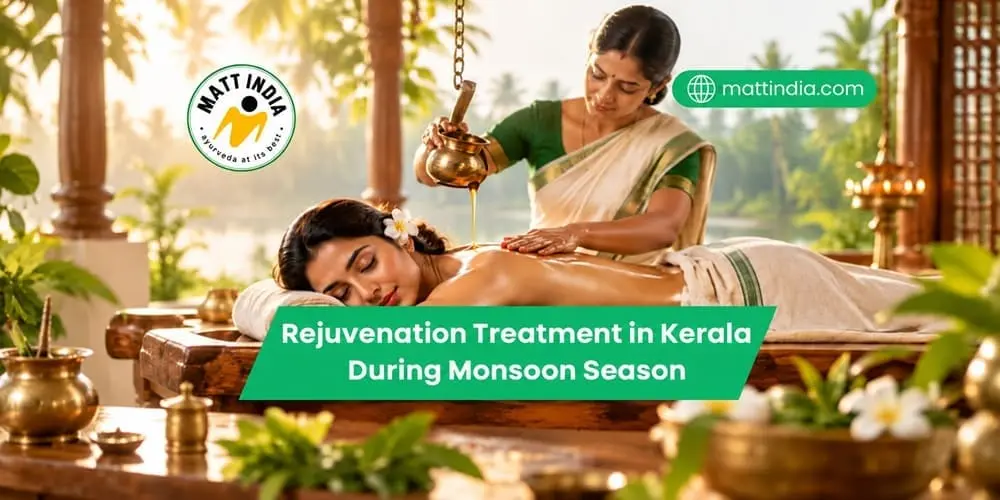
Rejuvenation Treatment in Kerala During Monsoon Season

Rejuvenation Treatment in Kerala During Monsoon Season

Rejuvenation Treatment in Kerala During Monsoon Season. Kerala's monsoon season brings fresh greenery, cool breezes, and a welcome break from the summer heat. It also offers a peaceful setting for people who want to slow down and focus on personal wellness. During this season, rejuvenation treatment in Kerala attracts visitors seeking traditional Ayurvedic therapies, relaxing oil massages, and guidance on healthy daily routines.

At MATT INDIA AYURVEDA, the monsoon season provides an opportunity to explore Ayurveda's traditional approach to balance, relaxation, and self-care. However, the right treatment depends on your health, comfort, and individual needs. Therefore, consult a qualified Ayurvedic practitioner before starting a treatment programme, especially if you have an existing medical condition or take regular medication.

Why Is the Monsoon Season Popular for Ayurvedic Rejuvenation in Kerala?

Ayurveda has a long-standing association with Kerala's climate, medicinal plants, massage traditions, and wellness practices. Many people choose the rainy season for Ayurvedic therapies because they prefer cooler weather and a quieter environment for rest.

Moreover, traditional Ayurvedic practice pays attention to seasonal routines, known as Ritucharya. These routines encourage people to adapt their diet, activity, sleep, and self-care habits to seasonal changes.

During the monsoon, damp weather and reduced outdoor activity may encourage people to spend more time resting indoors. Consequently, a planned wellness routine can help them maintain relaxation and consistency.

Nevertheless, monsoon weather does not guarantee better treatment results. The benefits depend on the therapy, the practitioner's assessment, and the person's overall health. A qualified professional can recommend suitable options rather than relying on the season alone.

What Is Ayurvedic Rejuvenation Treatment?

Ayurvedic rejuvenation treatment, often associated with the traditional concept of Rasayana, focuses on supporting overall well-being through personalised care. Depending on the programme, a practitioner may recommend external therapies, lifestyle guidance, dietary advice, or relaxation practices.

Unlike a single spa session, a structured Ayurvedic wellness programme may involve several appointments over a set period. First, the practitioner discusses your health history and goals. Next, they determine which therapies suit your needs. Finally, they may suggest simple daily habits to complement the programme.

Common goals include:

  • Supporting relaxation and general well-being.

  • Creating a more consistent sleep routine.

  • Encouraging mindful rest and self-care.

  • Supporting comfortable movement through suitable activities.

  • Developing healthier seasonal food and lifestyle habits.

However, rejuvenation treatments should not replace necessary medical care. Claims that a treatment can cure chronic diseases, remove toxins from the body, or prevent infections require reliable scientific evidence. Choose a programme with clear explanations, realistic expectations, and appropriate safety checks.

Popular Ayurvedic Rejuvenation Therapies During Monsoon

Kerala offers several traditional therapies that people may include in a rejuvenation programme. However, each therapy serves a different purpose, and not everyone needs the same treatment.

1. Abhyanga – Traditional Ayurvedic Oil Massage

Abhyanga involves applying oil and using specific massage techniques across the body. Many people choose it for relaxation and a calming wellness experience. The practitioner selects the approach according to individual needs, skin sensitivity, and health history.

2. Shirodhara – A Relaxing Traditional Therapy

Shirodhara involves a controlled stream of liquid, often warm oil, directed onto the forehead. People may choose it as part of a relaxation programme. Nevertheless, a trained practitioner should assess suitability, particularly for people with scalp conditions or other health concerns.

3. Swedana – Herbal Steam Therapy

Some Ayurvedic programmes include supervised herbal steam treatments. These may feel comforting in cooler weather, but steam can cause dehydration, overheating, or dizziness. Therefore, practitioners should consider your health, hydration, and tolerance before recommending this therapy.

4. Kizhi – Herbal Poultice Therapy

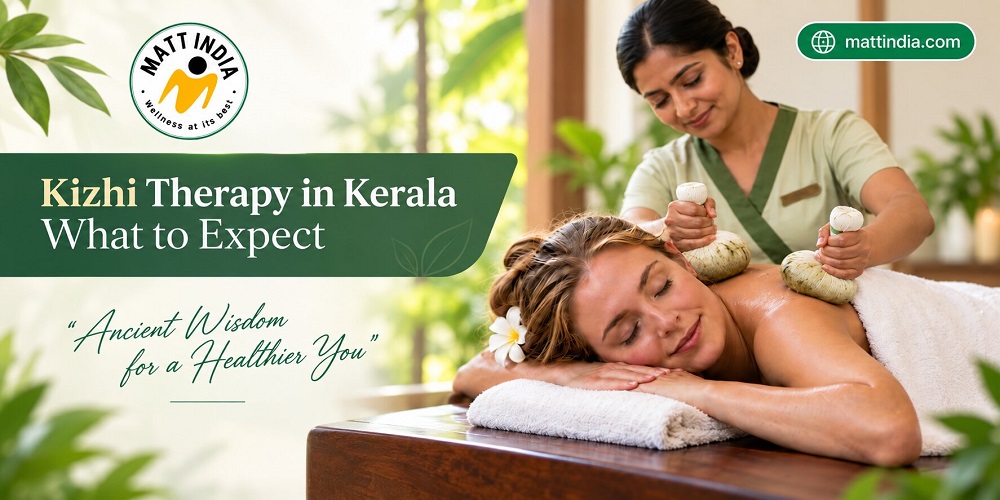
Kizhi uses a cloth bundle filled with selected herbs or other ingredients. A practitioner applies it using a technique suited to the person's needs. Depending on the method, the treatment may involve warmth and massage-like movements.

These therapies are not suitable for everyone. In addition, treatment names and methods can vary between centres. Always ask about the ingredients, temperature, procedure, possible side effects, and expected outcomes before beginning.

Related Articles:

» Abhyanga Massage in Kerala: Benefits for International Tourists

» Ayurveda Rejuvenation Therapy in Kerala: Treatments and Benefits

» How Abhyanga Helps Reduce Stress and Fatigue

» Ayurveda Rejuvenation Therapy: Benefits, Treatments, and Healing Process

» Ayurvedic Secrets to Overcoming Anxiety and Stress Naturally

Benefits of Rejuvenation Treatment During Kerala's Rainy Season

People often choose Kerala Ayurvedic rejuvenation treatment for relaxation and a structured wellness experience. Although individual results vary, a suitable programme may offer several practical benefits.

1. Encourages Relaxation

A quiet environment, gentle massage, and planned rest can help people unwind from busy schedules. Moreover, setting aside time for self-care may encourage healthier routines beyond the treatment period.

2. Supports a Consistent Wellness Routine

Many programmes combine therapies with guidance on sleep, meals, and daily activity. As a result, visitors can use their stay to establish routines that fit their everyday lives.

3. Provides Time for Rest

Rainy days may encourage indoor activities and slower schedules. Therefore, some visitors appreciate combining suitable wellness treatments with reading, meditation, gentle movement, and adequate sleep.

4. Introduces Traditional Kerala Wellness Practices

A professionally managed programme can help visitors learn about traditional Ayurvedic practices and their cultural background. However, traditional use alone does not establish that a therapy can treat a particular disease.

What Should You Eat During the Monsoon?

Food forms an important part of traditional Ayurvedic seasonal routines. During the rainy season, focus on balanced meals, food safety, and adequate hydration rather than following restrictive diets without professional advice.

  • Choose freshly prepared meals: Proper cooking and safe storage help reduce the risk of foodborne illness.

  • Include a variety of foods: Eat vegetables, fruits, whole grains, and suitable protein sources.

  • Drink safe water: Use clean drinking water, especially when travelling.

  • Adjust meals to your needs: Consider allergies, dietary restrictions, and any advice from your healthcare professional.

  • Avoid unnecessary fasting: Restrictive eating can cause problems, particularly for people with certain medical conditions.

Furthermore, do not assume that every herbal drink or supplement is safe simply because it is natural. Some Ayurvedic products may interact with medicines or contain ingredients that require careful supervision.

How to Choose an Ayurvedic Rejuvenation Centre in Kerala

Choosing a suitable centre matters as much as choosing a treatment. Before booking a programme with MATT INDIA AYURVEDA, or any wellness provider, consider the following points.

What to check

Why it matters

Qualified practitioner

Helps ensure an appropriate assessment and treatment plan

Health screening

Identifies relevant medical conditions, allergies, and medicines

Treatment explanation

Clarifies the procedure, duration, and possible side effects

Hygiene standards

Supports a safer and more comfortable experience

Product transparency

Helps you understand which oils, herbs, and preparations the centre uses

Realistic claims

Avoids promises of guaranteed cures or results

Personalised programme

Matches treatment choices to your needs rather than offering the same plan to everyone

Also, ask whether the centre can accommodate mobility needs, dietary requirements, and recovery time between sessions. If a practitioner recommends stopping prescribed medication or promises to cure a serious disease through rejuvenation therapy alone, seek advice from your regular healthcare professional.

Who Should Take Extra Care Before Treatment?

Although many people seek Ayurvedic therapies for relaxation, certain situations require additional caution. For example, people who are pregnant, have heart or blood pressure problems, experience skin irritation, or have recently undergone surgery should obtain appropriate medical advice before heat-based treatments or vigorous massage.

Similarly, people with diabetes, reduced skin sensation, circulation problems, or a history of fainting may need special precautions. Discuss your medical history and current medicines honestly with the practitioner.

During monsoon, keep treatment rooms clean and dry, and follow sensible precautions around damp surfaces. If you develop fever, a new rash, persistent pain, or other unexplained symptoms, seek medical assessment instead of relying on a rejuvenation session.

Conclusion

Rejuvenation treatment in Kerala during monsoon season offers an opportunity to explore traditional Ayurvedic practices while making time for rest and personal well-being. From Abhyanga massage to selected herbal therapies, the right approach should reflect your health, comfort, and individual goals. Moreover, balanced meals, adequate sleep, and safe daily habits can complement a wellness routine. At MATT INDIA AYURVEDA, discuss your expectations with a qualified practitioner and choose a programme that prioritises personal assessment, clear guidance, and responsible care.

Social:

https://in.pinterest.com/pin/395261304821259067/

https://x.com/matt_india/status/2114978886153109872

https://www.linkedin.com/feed/update/urn:li:activity:7520743775216889856/

https://www.linkedin.com/feed/update/urn:li:share:7520743877977337856/

https://www.facebook.com/ayurvedictreatmentcentre/posts/pfbid0QGAkqhYbdwxbf7CZ3hYY3K5JmbVrUFhqHZrUGLapYBAJq7ZWxbKk8oqw6qu5ZvgFl

Monday, 26 October 2026

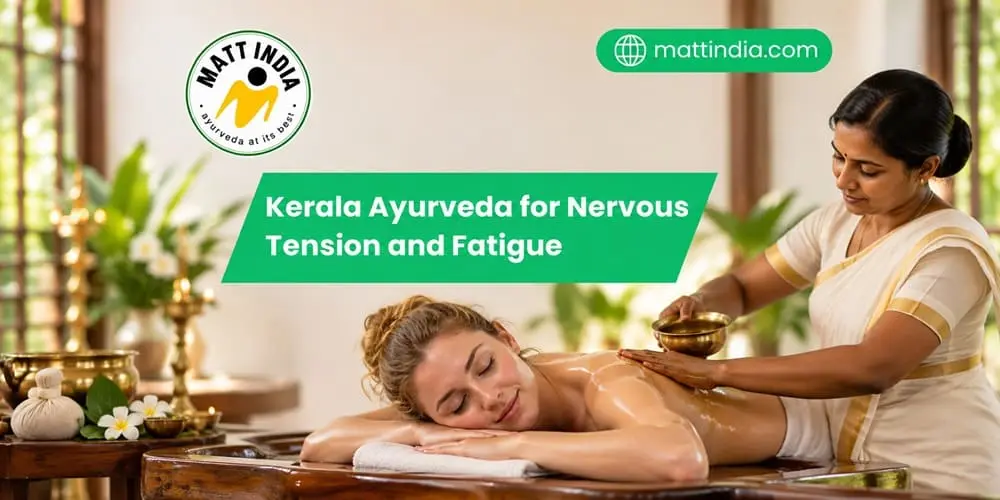
Kerala Ayurveda for Nervous Tension and Fatigue

Kerala Ayurveda for Nervous Tension and Fatigue

Kerala Ayurveda for Nervous Tension and Fatigue. Constant work pressure, irregular sleep, and daily responsibilities can leave you feeling mentally exhausted and physically drained. Although occasional tiredness is common, ongoing fatigue and nervous tension can affect your concentration, mood, and daily routine. Therefore, many people explore traditional wellness approaches, including Kerala Ayurveda for nervous tension and fatigue, to support relaxation and restore a healthier lifestyle.

At MATT INDIA AYURVEDA, the focus of this topic is on understanding how traditional Ayurvedic practices may support relaxation, healthy routines, and overall well-being. Kerala has a long-standing Ayurvedic tradition that includes herbal preparations, therapeutic massages, dietary guidance, and personalised lifestyle practices. When selected appropriately, these approaches may complement conventional care and help people manage everyday stress more effectively.

Understanding Nervous Tension and Fatigue

Nervous tension often appears when the mind struggles to cope with continuous pressure. You may experience restlessness, irritability, difficulty concentrating, or trouble falling asleep. Meanwhile, fatigue can make even simple activities feel demanding. Some people notice both problems at once, particularly when stress disrupts their sleep or daily habits.

Several factors may contribute to these concerns, including:

  • Long working hours and mental pressure.

  • Poor sleep quality or an irregular sleep schedule.

  • Skipping meals or following an unbalanced diet.

  • Limited physical activity and excessive screen time.

  • Emotional strain and insufficient relaxation.

  • Underlying medical conditions, including anaemia or thyroid problems.

However, nervous tension and fatigue do not always have the same cause. Persistent tiredness can sometimes indicate a medical condition rather than ordinary stress. For this reason, a healthcare professional should assess symptoms that continue, worsen, or interfere with everyday activities.

How Kerala Ayurveda Approaches Stress and Fatigue

Kerala Ayurveda follows traditional principles that consider diet, daily habits, mental well-being, and individual constitution together. Instead of focusing only on tiredness, an Ayurvedic practitioner may explore sleep patterns, digestion, work routines, stress levels, and general health before suggesting a suitable plan.

Moreover, treatment recommendations should match the person's health needs and medical history. Some people may benefit from relaxation practices and gentle massage, while others may need dietary changes or professional support for sleep difficulties.

Traditional Ayurveda describes balance through the three doshas: Vata, Pitta, and Kapha. Practitioners use this framework to guide individualised care. Nevertheless, these concepts belong to the traditional Ayurvedic system and should not replace evidence-based medical assessment or diagnosis.

Ayurvedic Treatments That May Support Relaxation

1. Abhyanga: Traditional Ayurvedic Oil Massage

Abhyanga massage involves applying warm oil to the body using traditional massage techniques. People often choose this therapy to enjoy a calming experience, ease everyday muscular tightness, and establish a relaxing self-care routine.

Furthermore, a comfortable massage environment may help some people unwind after a demanding day. However, massage does not treat every cause of fatigue or anxiety, and its suitability depends on the individual's health. A qualified practitioner should check for skin conditions, injuries, allergies, and other contraindications before treatment.

2. Shirodhara: A Traditional Relaxation Therapy

Shirodhara is a traditional Ayurvedic procedure in which a controlled stream of liquid, often oil, flows across the forehead. Practitioners commonly include it in relaxation-focused wellness programmes.

The quiet setting and structured treatment may provide a restful experience for some individuals. Nevertheless, strong scientific evidence that Shirodhara directly treats chronic fatigue, anxiety disorders, or nervous system conditions remains limited. Therefore, consider it a complementary wellness option rather than a substitute for prescribed treatment.

3. Herbal Preparations and Personalised Ayurvedic Guidance

Ayurveda includes a range of traditional herbal preparations. Depending on the person's needs, a qualified practitioner may discuss particular herbs as part of a wider wellness plan.

However, Ayurvedic herbal medicines are not automatically safe simply because they are natural. Some products may interact with prescription medicines, affect the liver or kidneys, or contain contaminants and undeclared ingredients. Consequently, consult a qualified healthcare professional before taking herbs, especially if you have an existing medical condition, take medication, or are pregnant or breastfeeding.

Never start multiple herbal products together without professional advice. Also, avoid stopping prescribed medication in favour of an alternative treatment.

Related Articles:

» Abhyanga Massage in Kerala: Benefits for International Tourists

» Ayurveda Rejuvenation Therapy in Kerala: Treatments and Benefits

» How Abhyanga Helps Reduce Stress and Fatigue

» Ayurveda Rejuvenation Therapy: Benefits, Treatments, and Healing Process

» Ayurvedic Secrets to Overcoming Anxiety and Stress Naturally

Daily Ayurvedic Lifestyle Practices for Better Well-Being

Along with professional guidance, simple lifestyle changes can help you manage everyday tension and support healthy energy levels. In fact, consistent habits often matter more than occasional wellness sessions.

Maintain a Regular Sleep Schedule

Quality sleep allows your body and mind to recover. Therefore, try to sleep and wake up at similar times every day. Reduce screen use before bedtime, keep your bedroom comfortable, and avoid heavy meals late at night. Additionally, limit caffeine in the afternoon if it affects your sleep.

Practise Yoga and Gentle Breathing

Gentle yoga, meditation, and mindful breathing can help create moments of calm during a busy day. Start with a few minutes and increase the duration according to your comfort. Furthermore, regular walking and light physical activity may improve sleep and support general well-being.

If breathing exercises make you dizzy or uncomfortable, stop and return to normal breathing. People with persistent anxiety may also benefit from evidence-based psychological support, such as cognitive behavioural therapy.

Choose Balanced, Regular Meals

Your body needs sufficient nutrients to maintain energy. Include vegetables, fruits, whole grains, protein-rich foods, and healthy fats in your daily meals. Similarly, drink enough water and avoid relying on excessive caffeine or sugary drinks to overcome tiredness.

If fatigue continues despite healthy eating and adequate sleep, consult a healthcare professional rather than assuming that you need an Ayurvedic detox or tonic.

Who May Consider Kerala Ayurvedic Wellness?

People experiencing everyday stress, muscular tension, or difficulty relaxing may consider selected Kerala Ayurvedic wellness therapies as part of a broader self-care routine. Nevertheless, a suitable approach depends on individual needs, medical history, and treatment goals.

Ayurveda may complement conventional care, but research supporting many specific Ayurvedic treatments for nervous tension and fatigue remains limited. Product quality also matters because certain preparations may contain harmful heavy metals. Therefore, choose qualified practitioners and reputable products, and discuss any proposed treatment with your healthcare provider.

Seek medical advice if fatigue persists for several weeks, repeatedly interrupts daily activities, or occurs with unexplained weight changes, breathlessness, dizziness, or other concerning symptoms. Sudden severe weakness, chest pain, or difficulty breathing requires urgent medical attention.

Conclusion

Kerala Ayurveda for nervous tension and fatigue offers a traditional approach that combines relaxation therapies, lifestyle guidance, and individualised care. Practices such as Abhyanga, Shirodhara, gentle yoga, and regular sleep routines may help some people create a calmer daily rhythm. However, results vary, and these methods cannot replace appropriate medical care.

At MATT INDIA AYURVEDA, readers can explore the principles of traditional Ayurvedic wellness while making informed choices about their health. Ultimately, combining safe complementary practices with balanced nutrition, adequate rest, physical activity, and professional medical advice provides a sensible foundation for long-term well-being.

Social:

https://in.pinterest.com/pin/395261304821251567/

https://x.com/matt_india/status/2114619694682611720

https://www.linkedin.com/feed/update/urn:li:activity:7520397171482017792/

https://www.linkedin.com/feed/update/urn:li:share:7520397537678364672/

https://www.facebook.com/ayurvedictreatmentcentre/posts/pfbid037RidNjP8YTditr2nBzN3ZAGYd1sysVktNA1FH8VmU2GVTZkRuBgi7dMLoavsu76ul

Friday, 9 October 2026

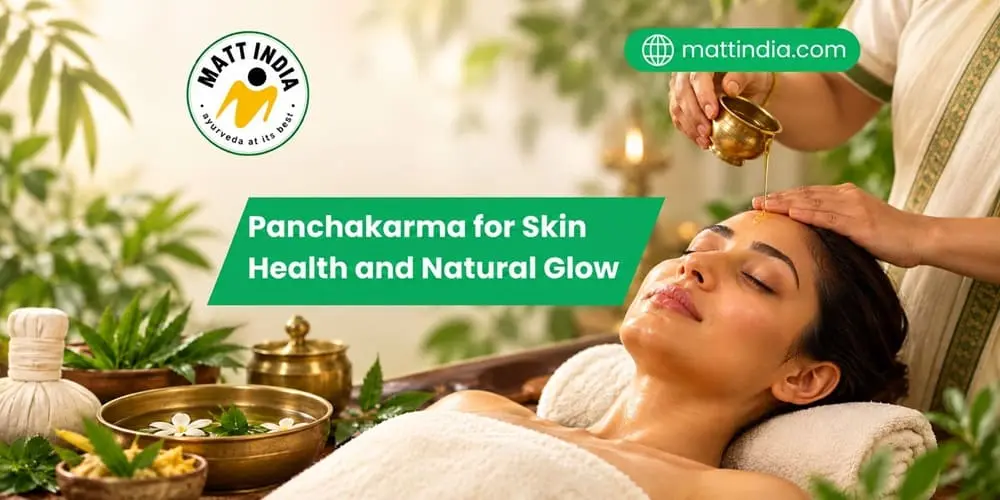
Panchakarma for Skin Health and Natural Glow

Panchakarma for Skin Health and Natural Glow

Panchakarma for Skin Health and Natural Glow. Healthy, glowing skin is not only about using the right creams or following an expensive skincare routine. Instead, it also depends on daily habits, nutrition, sleep, stress levels, and overall well-being. In Ayurveda, skin health connects with the body's natural balance, digestion, and individual constitution. Therefore, many people explore traditional Ayurvedic practices to support healthier-looking skin.

Panchakarma for skin health and natural glow is a popular topic among people interested in Ayurvedic wellness. Panchakarma refers to a group of traditional Ayurvedic cleansing and therapeutic procedures that qualified practitioners select according to an individual's needs. Moreover, Ayurveda uses personalised diets, herbal preparations, massage, and lifestyle recommendations to support general well-being.

At MATT INDIA AYURVEDA, visitors can learn about traditional Ayurvedic approaches to wellness and skin care. However, Panchakarma should not be considered a guaranteed cosmetic treatment or a replacement for medical care. The right approach starts with professional assessment, realistic expectations, and suitable aftercare.

What Is Panchakarma in Ayurveda?

Panchakarma is a traditional Ayurvedic treatment system that includes specialised procedures intended to support the body's balance according to Ayurvedic principles. The word refers to five therapeutic actions, although the procedures and their application vary according to the practitioner's assessment and the individual's condition.

Depending on the person's health, an Ayurvedic practitioner may recommend preparatory therapies, oil massage, selected cleansing procedures, dietary guidance, and rest. Nevertheless, not everyone needs every Panchakarma procedure.

Traditionally, Ayurveda relates skin appearance to factors such as dosha balance, digestion, diet, and lifestyle. Although these concepts form part of Ayurvedic philosophy, scientific evidence does not establish that Panchakarma detoxifies the body or directly improves every skin condition.

How Can Panchakarma Support Skin Health?

Many people seek Ayurvedic care because they want to improve their overall wellness and develop healthier skincare habits. Although Panchakarma has not been conclusively proven to create a natural glow, its broader wellness practices may encourage habits that benefit general health.

1. Encourages a Personalised Wellness Routine

Firstly, Ayurvedic consultations consider individual needs, daily routines, diet, and health history. This personalised approach can help people identify lifestyle habits that may affect their skin.

For example, irregular sleep, excessive sun exposure, and inconsistent skincare can contribute to a dull appearance. Therefore, improving these habits may support healthier-looking skin alongside appropriate dermatological care.

2. Supports Relaxation and Stress Management

Stress can affect sleep and may worsen certain skin conditions, including acne and eczema, in some people. Moreover, relaxation practices can help people manage everyday stress more effectively.

Depending on the individual's suitability, an Ayurvedic wellness programme may include gentle massage, rest, breathing exercises, and meditation. However, these practices do not replace treatment for persistent skin inflammation or other medical problems.

3. Promotes Healthy Dietary Habits

Nutrition plays an important role in maintaining normal skin function. Accordingly, balanced meals containing vegetables, fruits, whole grains, healthy fats, and adequate protein can help provide essential nutrients.

Ayurvedic practitioners may also recommend individual dietary routines. Nevertheless, restrictive diets or fasting are not necessary for everyone, and nutritional changes should meet the person's health needs.

4. Encourages Consistent Self-Care

A structured wellness programme may encourage people to follow regular sleep schedules, maintain hydration, and practise suitable self-care. In addition, these habits can make it easier to maintain a consistent skincare routine.

However, hydration and rest alone cannot treat conditions such as severe acne, rosacea, or melasma. Such concerns may require assessment by a qualified dermatologist.

Related Articles:

» Why Kerala is the Best Destination for Ayurveda Treatments

» Ayurvedic Treatments for Back Pain and Spine Health

» Ayurveda for Skin: Natural Treatments for Radiant Skin

» How Ayurveda Helps You Achieve Mental Clarity and Peace?

» Ayurveda Treatment for Stress, Digestion and Overall Wellness

Common Ayurvedic Therapies Associated With Skin Wellness

Ayurveda includes several traditional therapies that practitioners may consider as part of a personalised wellness programme. However, each treatment serves a different purpose, and suitability depends on the person's health and skin sensitivity.

1. Abhyanga (Ayurvedic Oil Massage)

Abhyanga involves applying oil with specific massage techniques. It may support relaxation and help soften dry skin when the practitioner selects a suitable oil. However, people with acne-prone skin, allergies, or active skin inflammation should seek advice before using oils.

2. Herbal Applications

Certain Ayurvedic formulations contain ingredients such as turmeric, neem, or sandalwood. Traditionally, practitioners use selected preparations for skin care. Nevertheless, natural ingredients can still cause irritation or allergic reactions, so professional guidance and a patch test are important.

3. Personalised Diet and Lifestyle Guidance

An Ayurvedic consultation may include recommendations about meals, sleep, exercise, and daily routines. In addition, balanced nutrition and consistent rest can support general health, which contributes to normal skin function.

These therapies are not interchangeable, and none guarantees brighter skin or the treatment of a dermatological condition. Research into Ayurvedic skincare remains limited, so practitioners and clients should distinguish traditional use from clinically established benefits.

What Happens During a Panchakarma Programme?

A Panchakarma programme usually begins with a consultation rather than an immediate treatment. The practitioner reviews the person's health history, current concerns, medicines, allergies, and general suitability.

A programme may include the following stages:

  1. Initial assessment: The practitioner discusses skin concerns, lifestyle, medical history, and expectations.

  2. Preparation: Depending on the selected approach, the programme may involve dietary adjustments or specific preparatory therapies.

  3. Individualised treatment: The practitioner chooses appropriate procedures instead of automatically prescribing every Panchakarma therapy.

  4. Rest and recovery: The practitioner provides guidance on food, hydration, activity, and recovery.

  5. Follow-up: The practitioner reviews the person's response and recommends appropriate next steps.

Importantly, some classical Panchakarma procedures involve therapeutic vomiting, purgation, or other interventions that can carry medical risks. Therefore, qualified supervision and proper screening are essential. Avoid attempting intensive cleansing procedures at home.

Panchakarma for Different Skin Concerns

People often explore Ayurvedic treatment for glowing skin when they notice dryness, uneven-looking skin, dullness, or changes in complexion. However, the underlying causes can differ considerably.

Skin concern

Helpful approach

Dry or rough skin

Gentle cleansing, suitable moisturiser, and professional advice about compatible oils

Dull-looking skin

Consistent skincare, balanced nutrition, adequate sleep, and sun protection

Uneven skin tone

Daily broad-spectrum sunscreen and assessment of persistent pigmentation

Acne-prone skin

Non-comedogenic skincare and appropriate acne treatment

Sensitive skin

Fragrance-free products and avoidance of irritating herbal preparations

Panchakarma may form part of a person's wider Ayurvedic wellness plan, but it should not replace evidence-based treatment for acne, eczema, psoriasis, or pigmentation disorders. For persistent symptoms, consult a dermatologist.

How to Maintain a Natural Glow After Treatment

Even after completing a wellness programme, daily habits remain important. Fortunately, a simple routine can help protect the skin without relying on complicated treatments.

  • Cleanse gently: Use a mild cleanser suited to your skin type.

  • Moisturise regularly: Choose a product that supports your skin barrier and does not cause irritation.

  • Apply sunscreen: Use broad-spectrum SPF 30 or higher during the day and reapply as directed, especially outdoors.

  • Eat balanced meals: Include a variety of vegetables, fruits, protein sources, and healthy fats.

  • Sleep consistently: Maintain a regular sleep schedule to support overall well-being.

  • Avoid harsh remedies: Do not apply undiluted essential oils, concentrated lemon juice, or untested mixtures to your face.

  • Follow medical advice: Seek professional assessment if you experience persistent redness, itching, painful acne, or unusual pigmentation.

Together, these steps provide a practical foundation for healthy skin and natural radiance. Results vary, so focus on skin comfort and long-term health rather than expecting overnight changes.

Conclusion

Choosing an Ayurvedic wellness centre should involve more than looking at promotional claims. Instead, ask about practitioner qualifications, treatment selection, hygiene standards, ingredient quality, contraindications, and follow-up care.

At MATT INDIA AYURVEDA, people interested in traditional Ayurvedic wellness can explore treatment options and discuss their goals with qualified practitioners. A responsible approach should include a clear explanation of the proposed procedures, their limitations, possible risks, and any need for conventional medical care.

Furthermore, a personalised plan should respect your existing health conditions and medicines. Always disclose relevant medical information before beginning treatment.

Social:

https://in.pinterest.com/pin/395261304821127480/

https://x.com/matt_india/status/2108455313175409116

https://www.linkedin.com/feed/update/urn:li:activity:7514222141207298050/

https://www.linkedin.com/feed/update/urn:li:share:7514222543772336129/

https://www.facebook.com/ayurvedictreatmentcentre/posts/pfbid0cCSZzmTYRV7uzum3LfPhzF4yBeCy7rJ3VgZn953BZ2Ly6QsNMGdtKn1nHWHHnRSgl

Tuesday, 15 September 2026

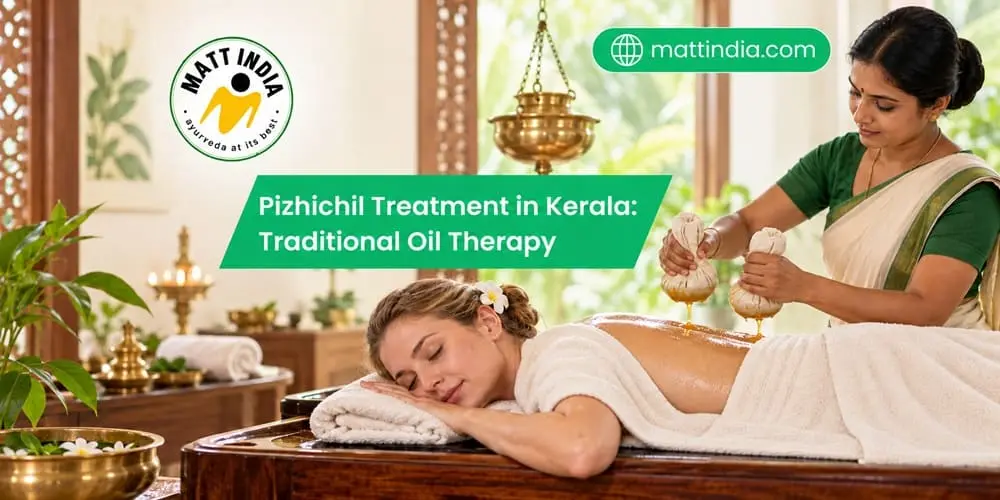
Pizhichil Treatment in Kerala: Traditional Oil Therapy

Pizhichil Treatment in Kerala: Traditional Oil Therapy

Pizhichil Treatment in Kerala: Traditional Oil Therapy. Pizhichil treatment in Kerala is a distinctive Ayurvedic therapy known for its continuous flow of warm medicated oil and gentle, rhythmic body massage. Unlike a regular oil massage, Pizhichil creates a soothing combination of warmth, oil application and coordinated therapeutic movements. Therefore, many people choose this traditional therapy as part of an Ayurvedic wellness or rejuvenation programme.

Kerala has a long-standing reputation for its specialised Ayurvedic traditions, and Pizhichil Ayurveda therapy in Kerala remains one of its recognised treatments. From the peaceful surroundings of Alappuzha and Kochi to traditional Ayurveda centres across the state, visitors can experience this therapy under trained supervision. MATT INDIA Ayurveda, located in Ezhupunna, Alappuzha, Kerala, also offers Pizhichil among its Ayurvedic therapies.

What Is Pizhichil Treatment?

Pizhichil is a traditional Kerala Ayurveda procedure in which warm medicated oil or an Ayurvedic oil mixture flows over selected areas or much of the body while therapists perform gentle massage. Kerala Tourism describes Pizhichil as a combination of Snehana (oleation) and Swedana (sudation). The name relates to the traditional method of squeezing warm medicated liquid from a cloth.

Moreover, Pizhichil differs from a standard Ayurvedic oil massage because the continuous flow of warm oil forms an important part of the treatment. The therapist maintains a steady rhythm while adjusting the technique according to the person's treatment plan.

How Does Pizhichil Work?

A typical session begins with an assessment and preparation. Then, the selected medicated Ayurvedic oil is warmed to a comfortable temperature. Trained therapists apply the oil using a controlled, rhythmic method while providing gentle massage.

Depending on the treatment plan, Pizhichil may involve more than one therapist working together. Traditional descriptions commonly mention sessions lasting around 60 to 90 minutes, although the exact duration can vary according to the individual's needs and the physician's recommendations.

The continuous warmth can create a deeply relaxing experience. At the same time, the massage movements help the body feel less tense and more comfortable.

Key Benefits of Pizhichil Ayurveda Therapy

1. Supports Relaxation and Stress Management

First of all, the warmth and steady rhythm of Pizhichil oil therapy can encourage deep relaxation. The quiet treatment environment, gentle touch and warm oil may help people unwind after physical or mental fatigue.

Consequently, Pizhichil often forms part of wellness programmes focused on relaxation and rejuvenation.

2. Helps Relieve Muscle Stiffness

Furthermore, warm oil and gentle massage can provide comfort when muscles feel tight or tired. Traditional Ayurvedic practice uses Pizhichil for certain musculoskeletal concerns, including stiffness and rheumatic conditions.

However, people with persistent or severe pain should receive an appropriate medical assessment rather than relying on massage alone.

3. Supports Joint Comfort

Joint stiffness can affect everyday activities, particularly as people get older or after periods of reduced movement. Traditionally, Pizhichil treatment in Kerala has been associated with supportive care for arthritis and other rheumatic conditions.

Rather than presenting it as a cure, it is more appropriate to view Pizhichil as a complementary Ayurvedic therapy that may support comfort and relaxation.

4. Nourishes the Skin

The generous use of warm herbal oil also provides direct oiling of the skin. As a result, the skin can feel softer and more moisturised after treatment.

Additionally, the warmth may create a pleasant sensation of comfort throughout the session.

5. Promotes a Rejuvenating Experience

Pizhichil is also popular as a rejuvenation therapy in Kerala. Its combination of warm oil, massage and rest can create a calming full-body experience.

For this reason, wellness travellers often include Pizhichil within broader Ayurvedic programmes rather than choosing it as an isolated treatment.

Related Articles:

» Why Kerala is the Best Destination for Ayurveda Treatments

» Ayurvedic Treatments for Back Pain and Spine Health

» Ayurveda for Skin: Natural Treatments for Radiant Skin

» How Ayurveda Helps You Achieve Mental Clarity and Peace?

» Ayurveda Treatment for Stress, Digestion and Overall Wellness

Pizhichil Treatment at a Glance

FeatureTypical Pizhichil Approach
Treatment typeTraditional Ayurvedic oil therapy
Main materialWarm medicated Ayurvedic oil
TechniqueContinuous oil flow with gentle massage
Typical durationAround 60–90 minutes
Main focusRelaxation, oiling, warmth and traditional therapeutic care
Common settingKerala Ayurveda centres
Treatment planningBased on individual assessment

The duration and method can differ between individuals because Ayurveda practitioners may adapt the procedure according to the person's condition and treatment objectives.

Who May Consider Pizhichil?

People interested in traditional Kerala Ayurvedic therapy, relaxation programmes, body nourishment or supportive care for stiffness may consider Pizhichil after professional assessment.

Traditionally, the therapy has been used in relation to rheumatic conditions, muscle problems and certain neurological conditions. Kerala Tourism specifically describes its traditional use for concerns such as muscle cramps, paralysis, rheumatic diseases, arthritis and neurological disorders.

Nevertheless, treatment suitability depends on the individual. A qualified Ayurvedic physician should assess your health, current symptoms and treatment requirements before recommending a course.

Why Choose Kerala for Pizhichil?

Kerala holds a special place in the development and practice of Ayurvedic treatment traditions. Government-published material on Kerala Ayurveda notes the state's distinctive tradition of classical therapies and specifically identifies Pizhichil among Kerala's special Ayurvedic procedures.

Therefore, choosing a reputable Ayurveda centre in Kerala can offer more than the therapy itself. Visitors can experience an environment where traditional treatments, Ayurvedic routines, diet, yoga and relaxation may come together within a structured wellness programme.

What Should You Expect During a Session?

Before the treatment, an Ayurvedic professional may review your health condition and decide which oil and technique suit your needs. Next, the therapy area is prepared, and the oil is warmed carefully.

During the session, warm oil flows over the body while therapists use coordinated, gentle movements. The experience can feel warm, calming and deeply relaxing.

Afterward, you may be advised to rest and follow specific dietary or lifestyle instructions. These recommendations can vary depending on your individual programme.

Safety and Professional Guidance

Although Pizhichil is a traditional therapy, it should not automatically suit everyone. People with acute health problems, skin conditions, recent surgery or other medical concerns should discuss the therapy with a qualified professional beforehand.

Also, Pizhichil should not replace necessary medical diagnosis or treatment. Instead, it can form part of an individually planned Ayurvedic wellness approach when appropriately recommended.

Why Choose MATT INDIA Ayurveda?

At MATT INDIA Ayurveda, Pizhichil is included among the centre's traditional Ayurvedic therapies. The centre combines Ayurvedic treatment with physician consultation, therapies, yoga and meditation programmes.

For visitors searching for Pizhichil treatment in Kerala, professional guidance can make the experience more meaningful. Instead of selecting a treatment only because it is popular, an individual assessment helps determine whether the therapy fits your specific wellness goals.

Conclusion

Pizhichil treatment in Kerala brings together warm Ayurvedic oil, rhythmic massage and traditional therapeutic practice. More importantly, it offers a calm approach to relaxation, body nourishment and Ayurvedic rejuvenation. With professional assessment and appropriate care, this distinctive Kerala therapy can become a valuable part of a personalised wellness programme.

For those looking beyond an ordinary massage, Pizhichil offers a traditional experience rooted deeply in Kerala Ayurveda. At MATT INDIA Ayurveda, visitors can explore this therapy alongside other Ayurveda, yoga and wellness services in a dedicated treatment setting.

Social:

https://in.pinterest.com/pin/395261304820962932/

https://x.com/matt_india/status/2100094899572085073

https://www.linkedin.com/feed/update/urn:li:activity:7505861451866075136/

https://www.linkedin.com/feed/update/urn:li:share:7505861775628861440/

https://www.facebook.com/ayurvedictreatmentcentre/posts/pfbid0Qgib3NBMM4kzQq5z1jwiuBWFYDDDeehaZppAdYLFSWsTBjxgvxsGYKhf1V9i9Gfsl


Thursday, 10 September 2026

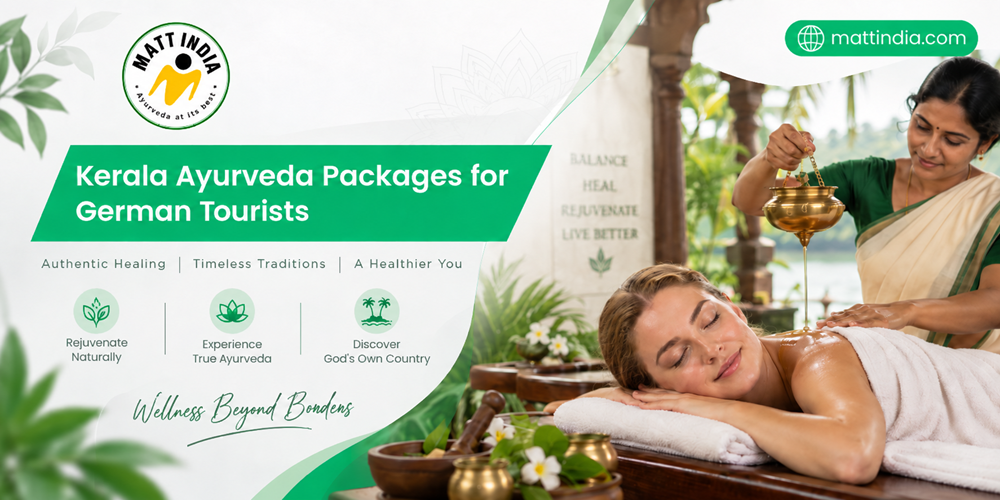
Kerala Ayurveda Packages for German Tourists

Kerala Ayurveda Packages for German Tourists

Kerala Ayurveda Packages for German Tourists. Kerala has become a popular destination for international wellness travellers who want to experience traditional Ayurveda in a peaceful natural setting. Among them, German tourists have shown strong interest in authentic Ayurvedic therapies, wellness retreats and longer treatment programmes. Kerala offers a unique combination of traditional knowledge, experienced Ayurvedic practitioners, tropical surroundings and a calm lifestyle. In fact, Kerala Tourism has specifically highlighted the growing popularity of Ayurveda among German visitors.

For German travellers, choosing the right Kerala Ayurveda package is not simply about booking an oil massage. Instead, a good programme should match the traveller's wellness goals, treatment requirements, preferred duration and comfort level. At MATT INDIA AYURVEDA, international guests can plan their Ayurveda journey with suitable guidance before travelling to India.

Why German Tourists Choose Kerala for Ayurveda

Ayurveda focuses on overall wellbeing rather than only addressing one concern. Therefore, many travellers choose Kerala when they want to slow down, improve their lifestyle and spend meaningful time away from their normal routine.

Kerala also provides a naturally relaxing environment. Green landscapes, coconut trees, beaches, backwaters and quiet villages create a suitable atmosphere for wellness travel. Moreover, the state has a long tradition of Ayurveda and numerous centres that provide specialised therapies. Kerala Tourism also maintains a classification system for Ayurveda centres to support standards related to facilities and services.

For German tourists, this combination of traditional Ayurveda and peaceful Kerala surroundings can make the experience more comfortable and memorable.

What Do Kerala Ayurveda Packages Include?

Every package can differ according to the traveller and the Ayurveda centre. Generally, Kerala Ayurveda packages for German tourists may include:

  • Initial consultation with an Ayurvedic doctor
  • Personalised treatment planning
  • Ayurvedic therapies and massages
  • Herbal oils and traditional preparations
  • Ayurvedic meals or dietary guidance
  • Daily wellness routines
  • Yoga or meditation sessions where appropriate
  • Accommodation options
  • Follow-up guidance
  • Airport transfer or travel assistance, depending on the package

However, travellers should always check what their package actually includes before making a booking. A low-cost package may cover only selected therapies, while a longer residential programme can include consultation, accommodation, food and several treatment sessions.

Popular Ayurveda Treatments for German Travellers

1. Panchakarma Treatment

Panchakarma in Kerala is one of the most recognised traditional Ayurveda programmes for international visitors. It involves a structured treatment process, and an Ayurvedic physician decides which procedures are appropriate for the individual.

Kerala Tourism describes Panchakarma as a three-stage process involving preparation, the main therapeutic stage and post-treatment care. The programme may include procedures such as Vamana, Virechana, Vasti, Nasya and Raktamokshana, although not every person receives every procedure.

Therefore, German tourists should not select Panchakarma only because it is popular. A proper consultation should come first.

2. Ayurvedic Rejuvenation

A Kerala Ayurvedic rejuvenation package can suit travellers who want relaxation and general wellness. Treatments may include traditional oil therapies, gentle massages, herbal applications and lifestyle guidance.

This type of programme can work well for tourists who have limited time but still want to experience Ayurveda during their Kerala holiday.

3. Stress and Relaxation Programmes

Modern work routines can create physical and mental stress. Consequently, many visitors look for Ayurveda programmes that focus on relaxation, better daily habits and rest.

Treatments such as Shirodhara, massage therapies and suitable relaxation practices may form part of a programme, depending on the doctor's assessment.

4. Personalised Wellness Programmes

Every traveller has different needs. Therefore, personalised Ayurveda packages in Kerala can provide a more suitable experience than a fixed treatment plan.

At MATT INDIA AYURVEDA, international guests can discuss their requirements and understand the treatment schedule before confirming their travel plans.

Related Articles:

» Why Kerala is the Best Destination for Ayurveda Treatments

» Ayurvedic Treatments for Back Pain and Spine Health

» Ayurveda for Skin: Natural Treatments for Radiant Skin

» How Ayurveda Helps You Achieve Mental Clarity and Peace?

» Ayurveda Treatment for Stress, Digestion and Overall Wellness

How Long Should German Tourists Stay?

The ideal duration depends on the type of programme. A short wellness stay may last around one week, while deeper Ayurvedic programmes can require two to three weeks or longer.

For example, Panchakarma programmes are commonly structured around longer treatment periods. Kerala Tourism notes that a traditional Panchakarma programme is often carried out over approximately 21 days, although centres may customise programmes according to individual needs.

Therefore, travellers should avoid planning a treatment-heavy programme around a very tight holiday schedule. It is better to leave some extra time for rest and recovery.

Best Time to Experience Ayurveda in Kerala

Kerala can welcome wellness travellers throughout the year. However, many visitors particularly consider the monsoon period for Ayurvedic experiences because the climate can create a calm setting for traditional therapies.

Still, the best travel period depends on personal preferences, treatment plans and travel arrangements. German tourists should discuss the expected weather, treatment schedule and accommodation options before finalising flights.

Choosing the Right Ayurveda Centre

Choosing the right centre is one of the most important parts of planning an Ayurveda holiday in Kerala.

German travellers should consider:

  • Qualified Ayurvedic doctors
  • Trained therapists
  • Hygiene and treatment standards
  • Appropriate accommodation
  • Clear treatment plans
  • Suitable food arrangements
  • Transparent package information
  • International guest support

Kerala Tourism has an official classification framework for Ayurveda centres, including Ayur Silver, Ayur Gold and Ayur Diamond categories under its current classification system.

So, travellers should look beyond attractive photographs or very cheap package prices and check the actual treatment and professional support available.

Why Choose MATT INDIA AYURVEDA?

At MATT INDIA AYURVEDA, the focus is on helping international travellers understand Ayurveda before beginning their programme. This approach can be especially useful for German tourists who may be visiting Kerala for the first time.

A wellness journey should feel organised, comfortable and realistic. Therefore, guests can discuss treatment duration, accommodation, dietary requirements and travel planning before arrival. The aim is not to offer a one-size-fits-all holiday, but to help travellers select an Ayurveda experience that suits their needs.

Kerala's wellness tradition offers much more than a short spa visit. With the right planning, a Kerala Ayurveda package for German tourists can combine traditional therapies, healthy routines, peaceful surroundings and an opportunity to experience India's ancient wellness culture.

Plan Your Kerala Ayurveda Journey

If you are travelling from Germany and looking for an authentic Ayurveda treatment in Kerala, planning early can make the experience smoother. First, understand your wellness goals. Then, discuss your requirements with an Ayurvedic professional and select a suitable programme.

Most importantly, give yourself enough time to enjoy the process. Ayurveda works around consistency, rest and personalised care rather than rushing from one activity to another.

At MATT INDIA AYURVEDA, German travellers can explore suitable Ayurveda packages in Kerala, including rejuvenation, wellness and traditional treatment programmes, with guidance designed for international guests.

Conclusion

Choosing Kerala Ayurveda packages for German tourists can offer a meaningful journey towards relaxation, wellness and traditional Ayurvedic care. With personalised treatments, healthy routines and Kerala’s peaceful surroundings, visitors can enjoy Ayurveda at a comfortable pace. Therefore, MATT INDIA AYURVEDA helps international guests plan a suitable wellness experience based on their needs, treatment goals and stay duration.

Social:

https://in.pinterest.com/pin/395261304820927469/

https://x.com/matt_india/status/2098252697392849298

https://www.linkedin.com/feed/update/urn:li:activity:7504019546916331520/

https://www.linkedin.com/feed/update/urn:li:share:7504020080368713729/

https://www.facebook.com/ayurvedictreatmentcentre/posts/pfbid0csrJ6EFTVxgpR7t9zF9ep2tvfKiUtBpLXkg4hy7seFwXBsZ9BA3pEDDVXeWpL87fl

Tuesday, 8 September 2026

Kizhi Therapy in Kerala Ayurveda: What to Expect

Kizhi Therapy in Kerala Ayurveda: What to Expect

Kizhi Therapy in Kerala Ayurveda: What to Expect. Kerala has a special place in the world of Ayurveda, and Kizhi therapy in Kerala remains one of the traditional treatments many visitors choose for body relaxation and musculoskeletal concerns. Unlike a regular massage, Kizhi combines warm herbal preparations, controlled pressure and therapeutic movements. Therefore, the treatment offers a unique experience for people looking to explore Kerala Ayurveda treatments in a more traditional setting.

At MATT INDIA AYURVEDA, the treatment approach starts with an Ayurvedic consultation. Based on your condition, the physician can recommend the appropriate Kizhi type, ingredients, duration and treatment schedule.

What Is Kizhi Therapy?

Kizhi therapy, also called Pinda Sweda, uses small cloth bundles filled with selected medicinal ingredients. Depending on the treatment, these bundles may contain herbal powders, leaves, grains, pulses or other prescribed materials.

The therapist warms the bundles and applies them to specific parts of the body using controlled movements. In some procedures, the bundles may also be dipped in warm medicated oil before application. Kerala Tourism describes Podikkizhi as a Swedana treatment that uses medicated powdered herbs prepared inside a cloth poultice.

Most importantly, Kizhi isn't simply about applying heat. The Ayurvedic physician considers the person's condition before selecting the ingredients and method.

Why Is Kizhi Popular in Kerala?

There are several reasons why Kizhi treatment in Kerala attracts both local and international Ayurveda visitors. First, Kerala has a long-standing Ayurvedic tradition. Moreover, the state has developed specialised Ayurveda centres where traditional therapies form part of structured wellness programmes.

Kizhi can also fit into different treatment plans. For example, MATT INDIA offers several forms of Kizhi, including Herbal Kizhi, Dhaanya Kizhi, Egg Kizhi and Para Kizhi. The ingredients and approach vary according to the treatment prescribed by the doctor.

As a result, visitors shouldn't assume that every Kizhi session will feel the same.

Types of Kizhi Therapy

Herbal Kizhi or Podi Kizhi

Podi Kizhi uses selected herbal powders packed into cloth bundles. The warm boluses are then applied to the body as directed by the Ayurvedic physician. Kerala Tourism notes that the herbs and their proportions can vary depending on the illness and its severity.

Dhaanya Kizhi

Dhaanya Kizhi uses pulses and cereals inside the therapeutic bundles. The treatment method depends on the individual's condition and the physician's recommendation.

Egg Kizhi or Mutta Kizhi

Egg Kizhi combines herbal powder and egg as the main ingredients of the bolus. It forms another specialised option within traditional Kizhi therapy.

Para Kizhi

Para Kizhi uses herbal powder along with selected rocks in the preparation. Again, the exact treatment should follow professional Ayurvedic assessment rather than a general online recommendation.

What Happens Before Kizhi Therapy?

Before beginning Ayurvedic Kizhi treatment, a consultation is an important step. The physician may discuss your current concerns, lifestyle, previous health issues and treatment goals.

Then, the doctor can determine:

  • Which type of Kizhi suits you

  • Which ingredients should be used

  • Which areas require treatment

  • How warm the bundles should be

  • How long the session should continue

  • How many sessions may be appropriate

This personalised approach matters because Ayurveda doesn't treat every person in exactly the same way.

What to Expect During a Kizhi Session

Once the treatment plan is ready, the therapist prepares the prescribed Kizhi bundles. The ingredients go inside cloth and form compact boluses.

Next, the bundles receive controlled warmth. Depending on the type of Kizhi, the therapist may use warm medicated oil or another prescribed medium.

During the session, the therapist applies the warm bundles over selected areas using rhythmic movements. You may experience gentle pressure and noticeable warmth. However, the heat should remain comfortable.

If the temperature feels too intense, tell the therapist immediately. There's no need to tolerate excessive heat just because it's part of a traditional treatment.

MATT INDIA states that its Herbal, Dhaanya, Egg and Para Kizhi treatments are generally conducted for around 45 minutes daily, with the course extending from 7 to 14 days depending on the doctor's diagnosis.

Related Articles:

» Why Kerala is the Best Destination for Ayurveda Treatments

» Ayurvedic Treatments for Back Pain and Spine Health

» Ayurveda for Skin: Natural Treatments for Radiant Skin

» How Ayurveda Helps You Achieve Mental Clarity and Peace?

» Ayurveda Treatment for Stress, Digestion and Overall Wellness

What Are the Potential Benefits of Kizhi?

People commonly explore Kizhi therapy benefits for relaxation, stiffness and certain musculoskeletal concerns. According to MATT INDIA, its Kizhi treatments may be included in programmes addressing concerns such as osteoarthritis, muscle spasm, spondylosis, sports injuries and chronic back discomfort.

Traditional Ayurvedic use may also focus on:

  • Supporting comfortable movement

  • Easing feelings of muscle stiffness

  • Promoting relaxation

  • Supporting muscle comfort

  • Encouraging a feeling of warmth in treated areas

  • Complementing broader Ayurveda wellness programmes

However, Kizhi shouldn't be presented as a guaranteed cure. Instead, people with persistent pain or a diagnosed medical condition should seek an appropriate professional assessment.

Kizhi Therapy vs Ayurvedic Massage

Although both treatments involve therapeutic touch, they aren't identical.

An Ayurvedic oil massage, such as Abhyanga, mainly focuses on oil application and massage techniques. Kizhi, on the other hand, centres around warm medicinal boluses.

Sometimes, an Ayurvedic physician may recommend both therapies as part of a wider treatment programme. Therefore, the right combination depends on the person's needs.

How Long Does Kizhi Treatment Take?

There isn't one fixed duration for every person. MATT INDIA's information lists approximately 45 minutes per day for its Herbal, Dhaanya, Egg and Para Kizhi treatments. However, the overall course can extend to 7–14 days depending on the doctor's diagnosis.

Meanwhile, other forms of Kizhi can follow different schedules. For example, MATT INDIA describes Njavarakizhi as a treatment lasting around 60–90 minutes, with the course potentially extending from one to 14 days depending on the patient's condition.

So, it's better to follow an individual treatment plan rather than compare durations online.

What Should You Do After Kizhi?

After your Kizhi therapy Kerala session, allow yourself some quiet time. Avoid immediately rushing into strenuous activities if your treatment team advises rest.

Also, follow the food, hydration and lifestyle guidance provided by your Ayurvedic physician. When Kizhi forms part of a longer Ayurveda programme, these daily habits can support the overall treatment experience.

Most importantly, communicate any unusual discomfort to your therapist or doctor.

Why Choose MATT INDIA AYURVEDA?

For people searching for authentic Ayurveda treatment in Kerala, the treatment environment matters. MATT INDIA works with resident Ayurvedic physicians and trained therapists while offering therapies such as Kizhi, Panchakarma, Abhyanga, Shirodhara and Njavarakizhi.

Furthermore, a physician-led approach helps ensure that Kizhi isn't treated as a one-size-fits-all spa procedure. Instead, the therapy can form part of a broader Ayurvedic care plan.

Whether you're visiting Kerala for wellness, relaxation or a structured Ayurveda programme, discussing your goals with the doctor first is always the sensible starting point.

Conclusion

Kizhi therapy in Kerala Ayurveda offers more than simple warmth or massage. It combines traditional herbal preparations, therapeutic heat and carefully controlled movements. Most importantly, the treatment should match the individual's needs.

Therefore, if you're planning an Ayurveda stay in Kerala, start with a consultation rather than selecting a therapy only from an online list. With the right guidance, Kizhi can become a valuable part of a personalised Kerala Ayurveda treatment and wellness experience.

Social:

https://in.pinterest.com/pin/395261304820914869/

https://x.com/matt_india/status/2097559957910835308

https://www.linkedin.com/feed/update/urn:li:share:7503326599233327105/

http://linkedin.com/feed/update/urn:li:share:7503326887587356672/