Showing posts with label WellnessKerala. Show all posts

Tuesday, 13 October 2026

Ayurveda Treatment in Kerala for Stress Relief


Ayurveda Treatment in Kerala for Stress Relief. Stress has become a regular part of modern life, affecting sleep, concentration, relationships and overall well-being. Long working hours, family responsibilities and constant digital distractions can leave the mind exhausted. Although short-term stress is normal, ongoing stress deserves attention and proper care.

Ayurveda treatment in Kerala for stress relief offers a traditional, holistic approach that focuses on balancing the body and mind through personalised therapies, herbal preparations, nourishing food, yoga and relaxation practices. Kerala is particularly known for its Ayurvedic heritage, experienced practitioners and traditional wellness centres.

At MATT INDIA AYURVEDA, visitors can explore Ayurvedic wellness approaches in a peaceful setting while learning healthier ways to manage everyday stress. The aim is to support relaxation, encourage better lifestyle habits and promote a greater sense of balance.

How Does Ayurveda Help Manage Stress?

Ayurveda views well-being as a relationship between the body, mind, daily habits and surrounding environment. From this perspective, irregular sleep, poor dietary habits, excessive workload and emotional strain may disturb a person's natural balance.

Traditional Ayurvedic practitioners consider factors such as digestion, sleep quality, energy levels, mental restlessness and individual constitution before recommending a wellness plan. Therefore, treatment should not follow the same routine for everyone.

Ayurvedic stress management in Kerala may include relaxing oil treatments, gentle yoga, breathing exercises, meditation and dietary guidance. Together, these practices can encourage relaxation and help people develop a more consistent self-care routine.

However, Ayurveda should complement appropriate medical or psychological care when stress becomes persistent or severe. No single therapy guarantees stress relief for everyone.

Why Choose Kerala for Ayurvedic Stress Relief?

Kerala has a long-standing tradition of Ayurvedic practice, supported by regional knowledge of medicinal plants, traditional massage techniques and wellness routines. Its natural surroundings and established Ayurveda centres also attract visitors seeking time away from demanding schedules.

Here are several reasons people consider Kerala for a stress-relief programme:

  • Traditional Ayurvedic therapies: Qualified practitioners may recommend treatments according to individual needs and health conditions.

  • Peaceful surroundings: Green landscapes and quiet environments can make it easier to disconnect from everyday distractions.

  • Personalised wellness plans: Programmes may combine body therapies, food guidance, gentle exercise and relaxation techniques.

  • Lifestyle education: Visitors can learn simple habits that support relaxation after returning home.

  • A complete wellness experience: Depending on the centre, guests may receive guidance on sleep routines, meditation and mindful living.

Nevertheless, the quality of care matters more than the location alone. Choose a reputable centre that explains its treatments clearly and assesses your needs before starting a programme.

Popular Ayurvedic Therapies for Stress Relief

Ayurvedic centres in Kerala may offer different traditional treatments. A qualified practitioner should decide whether a particular therapy suits your health, symptoms and treatment goals.

1. Abhyanga: Traditional Ayurvedic Oil Massage

Abhyanga is a traditional massage that uses oil selected according to the practitioner's approach and the individual's needs. The therapist applies oil using planned massage movements across different parts of the body.

The gentle touch, warmth and quiet treatment environment may help reduce feelings of physical tension and encourage relaxation. Some people also find a massage routine helpful as part of their bedtime or self-care habits.

However, practitioners should assess skin conditions, allergies, injuries and other health concerns before treatment.

2. Shirodhara: A Traditional Relaxation Therapy

Shirodhara involves the controlled pouring of a suitable liquid, often oil, over the forehead while the recipient rests comfortably. It is a well-known traditional Ayurvedic treatment offered at selected wellness centres.

Many people choose Shirodhara because of its calming treatment environment and the opportunity to pause from daily pressures. It may form part of a broader relaxation programme, although strong clinical evidence for treating anxiety or chronic stress remains limited.

3. Shiro Abhyanga: Head and Scalp Massage

Shiro Abhyanga focuses on the head and scalp, sometimes including the neck and shoulders. Therapists may use traditional oils and gentle massage techniques to support comfort and relaxation.

For people who spend long hours working at a computer, this treatment may provide a welcome break from screen time and routine demands. Nevertheless, it should not replace assessment for persistent headaches, dizziness or other unexplained symptoms.

4. Yoga and Pranayama

Yoga and Pranayama breathing practices can support a balanced wellness routine. Gentle movements, slow breathing and mindful attention may help people recognise physical tension and respond to stressful situations more calmly.

Beginners should start with comfortable exercises under suitable guidance. Anyone with an existing health condition should discuss appropriate modifications with a qualified instructor or healthcare professional.

5. Meditation and Mindfulness

Meditation encourages people to pay attention to the present moment instead of repeatedly dwelling on worries. Even a short daily practice can provide a structured opportunity to pause, breathe and reflect.

Furthermore, combining meditation with a regular sleep schedule and moderate physical activity can help create healthier daily routines.

The Role of Ayurvedic Diet in Stress Management

Food habits can influence energy levels, digestion and sleep quality. Therefore, Ayurvedic diet for stress relief focuses on regular meals, fresh ingredients and balanced eating habits suited to an individual's needs.

A practitioner may recommend:

  • Warm, freshly prepared meals with seasonal vegetables.

  • Whole grains, pulses and other nutritious foods.

  • Adequate water throughout the day.

  • Regular meal timings instead of skipping meals.

  • Limiting excess caffeine, particularly during the evening.

Additionally, avoid relying on herbal supplements without professional advice. Some Ayurvedic products may contain harmful contaminants or interact with medicines, so product quality and safety matter.

Related Articles:

» Abhyanga Massage in Kerala: Benefits for International Tourists

» Ayurveda Rejuvenation Therapy in Kerala: Treatments and Benefits

» How Abhyanga Helps Reduce Stress and Fatigue

» Ayurveda Rejuvenation Therapy: Benefits, Treatments, and Healing Process

» Ayurvedic Secrets to Overcoming Anxiety and Stress Naturally

Daily Habits That Support Long-Term Stress Relief

Ayurvedic wellness does not end when a therapy session finishes. In fact, everyday habits play an important role in maintaining a more balanced lifestyle.

Consider these simple practices:

  1. Maintain regular sleep hours: Go to bed and wake up at consistent times whenever possible.

  2. Practise mindful breathing: Spend five minutes breathing slowly and comfortably.

  3. Stay physically active: Choose walking, gentle yoga or another activity you enjoy.

  4. Reduce screen exposure: Take breaks from digital devices, especially before bedtime.

  5. Make time for yourself: Read, spend time outdoors or enjoy a quiet activity.

  6. Set realistic boundaries: Break large tasks into manageable steps and allow time for rest.

These practices can complement professional support when stress affects daily life. Yoga, meditation and relaxation techniques may help some people manage stress, although individual results vary.

What to Expect from an Ayurvedic Stress-Relief Programme

A suitable programme generally starts with a consultation about your health, sleep, lifestyle and stress-related concerns. The practitioner then recommends appropriate therapies, explains their purpose and discusses possible precautions.

The programme may include oil massage, Shirodhara, relaxation exercises and food guidance, depending on your individual needs. Treatment duration varies, so ask the centre about the recommended schedule before making travel arrangements.

At MATT INDIA AYURVEDA, discuss your expectations with the care team before selecting a programme. Also, remember that persistent anxiety, severe sleep difficulties or symptoms that interfere with everyday activities may require assessment by a qualified medical or mental health professional.

Conclusion

Ayurveda treatment in Kerala for stress relief offers a traditional approach to relaxation through personalised therapies, mindful routines and healthier lifestyle choices. By combining appropriate Ayurvedic practices with regular sleep, balanced nutrition and professional guidance, individuals can work towards better everyday well-being. Choose a reputable centre, understand the limitations of available evidence and make your health and safety the priority.

Social:

https://in.pinterest.com/pin/395261304821163743/

https://x.com/matt_india/status/2110233096511721807

https://www.facebook.com/ayurvedictreatmentcentre/posts/pfbid0N7zLm2u2yDotBXUUwMLMdY8NbcE4Egquy8f7t8aEotUz1Pa5vFcUmfbL2B2bBVN9l

https://www.linkedin.com/feed/update/urn:li:activity:7516004921305894912/

https://www.linkedin.com/feed/update/urn:li:ugcPost:7511325740202733568/

Tuesday, 8 September 2026

Kizhi Therapy in Kerala Ayurveda: What to Expect

Kizhi Therapy in Kerala Ayurveda: What to Expect

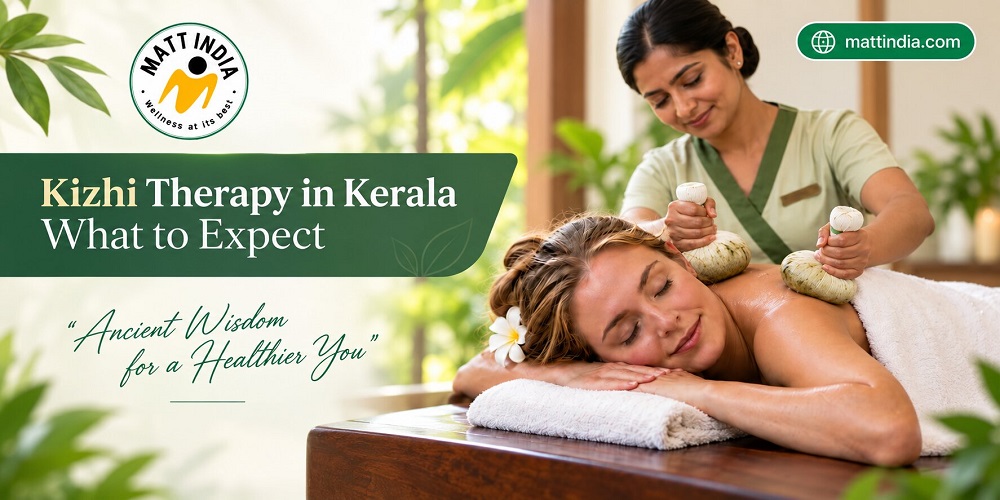
Kizhi Therapy in Kerala Ayurveda: What to Expect. Kerala has a special place in the world of Ayurveda, and Kizhi therapy in Kerala remains one of the traditional treatments many visitors choose for body relaxation and musculoskeletal concerns. Unlike a regular massage, Kizhi combines warm herbal preparations, controlled pressure and therapeutic movements. Therefore, the treatment offers a unique experience for people looking to explore Kerala Ayurveda treatments in a more traditional setting.

At MATT INDIA AYURVEDA, the treatment approach starts with an Ayurvedic consultation. Based on your condition, the physician can recommend the appropriate Kizhi type, ingredients, duration and treatment schedule.

What Is Kizhi Therapy?

Kizhi therapy, also called Pinda Sweda, uses small cloth bundles filled with selected medicinal ingredients. Depending on the treatment, these bundles may contain herbal powders, leaves, grains, pulses or other prescribed materials.

The therapist warms the bundles and applies them to specific parts of the body using controlled movements. In some procedures, the bundles may also be dipped in warm medicated oil before application. Kerala Tourism describes Podikkizhi as a Swedana treatment that uses medicated powdered herbs prepared inside a cloth poultice.

Most importantly, Kizhi isn't simply about applying heat. The Ayurvedic physician considers the person's condition before selecting the ingredients and method.

Why Is Kizhi Popular in Kerala?

There are several reasons why Kizhi treatment in Kerala attracts both local and international Ayurveda visitors. First, Kerala has a long-standing Ayurvedic tradition. Moreover, the state has developed specialised Ayurveda centres where traditional therapies form part of structured wellness programmes.

Kizhi can also fit into different treatment plans. For example, MATT INDIA offers several forms of Kizhi, including Herbal Kizhi, Dhaanya Kizhi, Egg Kizhi and Para Kizhi. The ingredients and approach vary according to the treatment prescribed by the doctor.

As a result, visitors shouldn't assume that every Kizhi session will feel the same.

Types of Kizhi Therapy

Herbal Kizhi or Podi Kizhi

Podi Kizhi uses selected herbal powders packed into cloth bundles. The warm boluses are then applied to the body as directed by the Ayurvedic physician. Kerala Tourism notes that the herbs and their proportions can vary depending on the illness and its severity.

Dhaanya Kizhi

Dhaanya Kizhi uses pulses and cereals inside the therapeutic bundles. The treatment method depends on the individual's condition and the physician's recommendation.

Egg Kizhi or Mutta Kizhi

Egg Kizhi combines herbal powder and egg as the main ingredients of the bolus. It forms another specialised option within traditional Kizhi therapy.

Para Kizhi

Para Kizhi uses herbal powder along with selected rocks in the preparation. Again, the exact treatment should follow professional Ayurvedic assessment rather than a general online recommendation.

What Happens Before Kizhi Therapy?

Before beginning Ayurvedic Kizhi treatment, a consultation is an important step. The physician may discuss your current concerns, lifestyle, previous health issues and treatment goals.

Then, the doctor can determine:

  • Which type of Kizhi suits you

  • Which ingredients should be used

  • Which areas require treatment

  • How warm the bundles should be

  • How long the session should continue

  • How many sessions may be appropriate

This personalised approach matters because Ayurveda doesn't treat every person in exactly the same way.

What to Expect During a Kizhi Session

Once the treatment plan is ready, the therapist prepares the prescribed Kizhi bundles. The ingredients go inside cloth and form compact boluses.

Next, the bundles receive controlled warmth. Depending on the type of Kizhi, the therapist may use warm medicated oil or another prescribed medium.

During the session, the therapist applies the warm bundles over selected areas using rhythmic movements. You may experience gentle pressure and noticeable warmth. However, the heat should remain comfortable.

If the temperature feels too intense, tell the therapist immediately. There's no need to tolerate excessive heat just because it's part of a traditional treatment.

MATT INDIA states that its Herbal, Dhaanya, Egg and Para Kizhi treatments are generally conducted for around 45 minutes daily, with the course extending from 7 to 14 days depending on the doctor's diagnosis.

Related Articles:

» Why Kerala is the Best Destination for Ayurveda Treatments

» Ayurvedic Treatments for Back Pain and Spine Health

» Ayurveda for Skin: Natural Treatments for Radiant Skin

» How Ayurveda Helps You Achieve Mental Clarity and Peace?

» Ayurveda Treatment for Stress, Digestion and Overall Wellness

What Are the Potential Benefits of Kizhi?

People commonly explore Kizhi therapy benefits for relaxation, stiffness and certain musculoskeletal concerns. According to MATT INDIA, its Kizhi treatments may be included in programmes addressing concerns such as osteoarthritis, muscle spasm, spondylosis, sports injuries and chronic back discomfort.

Traditional Ayurvedic use may also focus on:

  • Supporting comfortable movement

  • Easing feelings of muscle stiffness

  • Promoting relaxation

  • Supporting muscle comfort

  • Encouraging a feeling of warmth in treated areas

  • Complementing broader Ayurveda wellness programmes

However, Kizhi shouldn't be presented as a guaranteed cure. Instead, people with persistent pain or a diagnosed medical condition should seek an appropriate professional assessment.

Kizhi Therapy vs Ayurvedic Massage

Although both treatments involve therapeutic touch, they aren't identical.

An Ayurvedic oil massage, such as Abhyanga, mainly focuses on oil application and massage techniques. Kizhi, on the other hand, centres around warm medicinal boluses.

Sometimes, an Ayurvedic physician may recommend both therapies as part of a wider treatment programme. Therefore, the right combination depends on the person's needs.

How Long Does Kizhi Treatment Take?

There isn't one fixed duration for every person. MATT INDIA's information lists approximately 45 minutes per day for its Herbal, Dhaanya, Egg and Para Kizhi treatments. However, the overall course can extend to 7–14 days depending on the doctor's diagnosis.

Meanwhile, other forms of Kizhi can follow different schedules. For example, MATT INDIA describes Njavarakizhi as a treatment lasting around 60–90 minutes, with the course potentially extending from one to 14 days depending on the patient's condition.

So, it's better to follow an individual treatment plan rather than compare durations online.

What Should You Do After Kizhi?

After your Kizhi therapy Kerala session, allow yourself some quiet time. Avoid immediately rushing into strenuous activities if your treatment team advises rest.

Also, follow the food, hydration and lifestyle guidance provided by your Ayurvedic physician. When Kizhi forms part of a longer Ayurveda programme, these daily habits can support the overall treatment experience.

Most importantly, communicate any unusual discomfort to your therapist or doctor.

Why Choose MATT INDIA AYURVEDA?

For people searching for authentic Ayurveda treatment in Kerala, the treatment environment matters. MATT INDIA works with resident Ayurvedic physicians and trained therapists while offering therapies such as Kizhi, Panchakarma, Abhyanga, Shirodhara and Njavarakizhi.

Furthermore, a physician-led approach helps ensure that Kizhi isn't treated as a one-size-fits-all spa procedure. Instead, the therapy can form part of a broader Ayurvedic care plan.

Whether you're visiting Kerala for wellness, relaxation or a structured Ayurveda programme, discussing your goals with the doctor first is always the sensible starting point.

Conclusion

Kizhi therapy in Kerala Ayurveda offers more than simple warmth or massage. It combines traditional herbal preparations, therapeutic heat and carefully controlled movements. Most importantly, the treatment should match the individual's needs.

Therefore, if you're planning an Ayurveda stay in Kerala, start with a consultation rather than selecting a therapy only from an online list. With the right guidance, Kizhi can become a valuable part of a personalised Kerala Ayurveda treatment and wellness experience.

Social:

https://in.pinterest.com/pin/395261304820914869/

https://x.com/matt_india/status/2097559957910835308

https://www.linkedin.com/feed/update/urn:li:share:7503326599233327105/

http://linkedin.com/feed/update/urn:li:share:7503326887587356672/


Tuesday, 1 September 2026

Mind-Body Healing Through Ayurveda in Kerala

Mind-Body Healing Through Ayurveda in Kerala

Mind-Body Healing Through Ayurveda in Kerala. Mind-body healing through Ayurveda in Kerala offers a gentle way to reconnect physical health with mental and emotional balance. Kerala has a long tradition of Ayurvedic care, where practitioners focus on the person as a whole rather than looking at one symptom alone. Through traditional therapies, herbal preparations, mindful routines and proper diet, Ayurveda encourages the body and mind to work together naturally.

For many people, modern life brings constant stress, poor sleep, tiredness and unhealthy eating habits. As a result, the body may feel exhausted while the mind stays busy. Ayurveda takes a different approach. It encourages people to slow down, understand their individual needs and build healthier daily habits.

What Is Mind-Body Healing in Ayurveda?

In Ayurveda, the body and mind do not work separately. What affects the mind can also influence the body, and physical discomfort can affect emotional wellbeing. Therefore, Ayurvedic care looks at both sides when creating a wellness approach.

Ayurveda describes health through the balance of the three doshas: Vata, Pitta and Kapha. Each person has a different natural constitution, so the same routine may not suit everyone. An Ayurvedic practitioner considers factors such as lifestyle, digestion, sleep, stress levels and general habits before suggesting a suitable plan.

Because of this personalised approach, Ayurvedic mind-body healing is often viewed as more than a short-term wellness treatment. Instead, it can encourage people to understand their body and make better choices every day.

Why Kerala Is Special for Ayurveda

Kerala is widely known for its strong Ayurvedic tradition. The region has preserved many traditional practices and continues to offer Ayurvedic therapies in a natural and peaceful setting.

The tropical climate, greenery and calm surroundings can also create a relaxing atmosphere for wellness programmes. Moreover, Kerala's traditional Ayurvedic centres often combine therapies with food guidance, rest and lifestyle recommendations.

For visitors, this creates an opportunity to step away from a busy routine. Instead of rushing from one activity to another, they can spend time focusing on rest, healthy food and personal wellbeing.

Ayurvedic Therapies for Body and Mind

Traditional Ayurvedic treatments in Kerala may include different therapies depending on an individual's needs. Practitioners may recommend oil therapies, herbal treatments, steam therapies or other traditional procedures.

Abhyanga Massage

Abhyanga, a traditional Ayurvedic oil massage, uses warm herbal oils and rhythmic massage techniques. The treatment is commonly associated with relaxation and improved feelings of physical comfort.

Furthermore, the quiet and steady nature of the therapy can help create a peaceful experience. Many people enjoy Abhyanga as part of a broader wellness routine.

Shirodhara

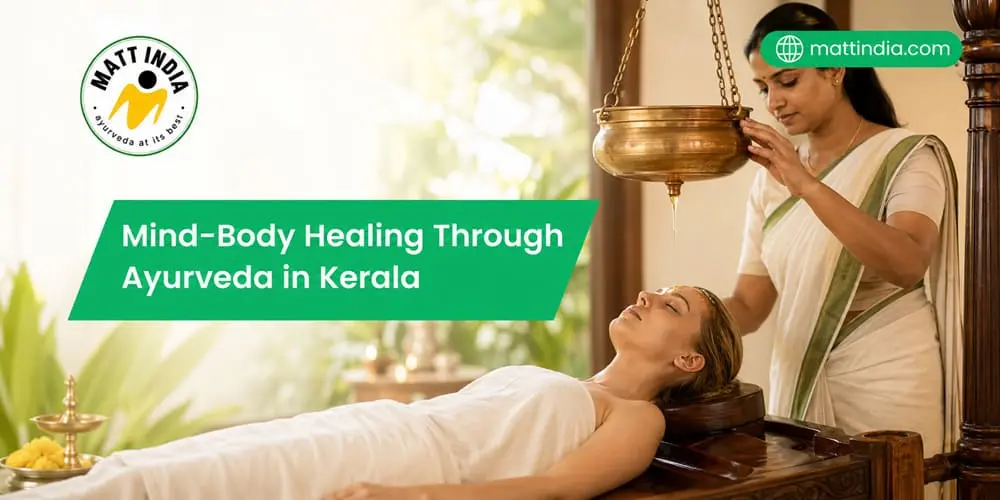
Shirodhara is another well-known Ayurvedic therapy. During the treatment, a gentle stream of warm oil is traditionally poured over the forehead for a period of time.

The experience can feel deeply calming. Consequently, some people choose Shirodhara when they want to reduce everyday tension and create a more relaxed state of mind.

Herbal Steam Therapy

Ayurvedic herbal steam treatments use warmth and selected herbs as part of traditional wellness practices. They are often included after oil-based therapies.

Additionally, the warmth can provide a soothing feeling for tired muscles. However, treatment choices should always depend on individual needs and professional Ayurvedic guidance.

Ayurveda, Stress and Emotional Balance

Stress has become a normal part of modern life, but constant stress can make people feel physically and mentally drained. Poor sleep, irregular meals and long working hours can make this feeling even stronger.

Ayurveda for stress management focuses on creating balance instead of simply pushing through tiredness. Daily routines, suitable foods, oil therapies, breathing practices and adequate rest can all form part of an Ayurvedic wellness plan.

For example, a person who regularly stays awake late may need to improve their sleeping routine before making major lifestyle changes. Similarly, someone who skips meals may benefit from establishing regular eating times.

Small changes can matter. In fact, consistent daily habits often become easier to maintain than sudden and extreme lifestyle changes.

The Role of Ayurvedic Diet

Food plays an important role in Ayurveda. Traditional Ayurvedic thinking connects digestion with overall wellbeing. Therefore, an Ayurvedic wellness programme may include dietary recommendations based on an individual's constitution and current condition.

Fresh, seasonal and suitable foods may be encouraged, while heavy or unsuitable eating habits may be reduced. Warm meals, herbal drinks and balanced portions can also support a healthier routine.

However, there is no single Ayurvedic diet that works for everybody. Ayurvedic diet guidance in Kerala should ideally come from a qualified practitioner who understands the person's individual requirements.

Related Articles:

» Why Kerala is the Best Destination for Ayurveda Treatments

» Ayurvedic Treatments for Back Pain and Spine Health

» Ayurveda for Skin: Natural Treatments for Radiant Skin

» How Ayurveda Helps You Achieve Mental Clarity and Peace?

» Ayurveda Treatment for Stress, Digestion and Overall Wellness

Daily Routine and Ayurvedic Lifestyle

Ayurveda also places strong importance on daily routine, often referred to as Dinacharya. The idea is simple: a regular routine can help create stability in everyday life.

A balanced Ayurvedic lifestyle may include:

  • Waking and sleeping at consistent times

  • Eating meals at regular intervals

  • Drinking enough fluids

  • Taking time for gentle movement

  • Practising meditation or breathing exercises

  • Reducing unnecessary stress

  • Spending time in nature

  • Taking proper breaks during busy days

Moreover, these habits do not need to feel complicated. A person can begin with one or two changes and gradually build a healthier routine.

Yoga and Meditation Alongside Ayurveda

Yoga and meditation can complement an Ayurvedic wellness programme. While Ayurveda focuses strongly on maintaining physical and internal balance, yoga encourages movement, breathing and body awareness.

Meanwhile, meditation can provide quiet time away from constant distractions. Even a few minutes of mindful breathing may help someone become more aware of how they feel.

Therefore, combining Ayurveda, yoga and meditation in Kerala can create a well-rounded wellness experience. The goal is not perfection. Rather, it is about developing habits that support a calmer and healthier lifestyle.

Choosing an Ayurvedic Wellness Centre in Kerala

Choosing the right centre is an important part of the experience. Before starting treatment, visitors should check whether the centre provides professional Ayurvedic consultation and follows appropriate traditional practices.

It is also useful to ask about the treatment plan, duration, therapies, food arrangements and practitioner qualifications. A good centre should explain the process clearly instead of promising instant results.

At MATT INDIA AYURVEDA, the focus is on creating a supportive environment where traditional Ayurvedic principles meet individual wellness needs. Each person's body and lifestyle are different, so a thoughtful approach can make the experience more meaningful.

A Natural Approach to Long-Term Wellness

Mind-body healing through Ayurveda in Kerala is not only about spending a few hours on a massage table. It is about looking at everyday life from a wider perspective. Food, sleep, movement, stress, emotions and rest all have a place in the wellness journey.

Most importantly, Ayurveda encourages people to listen to their bodies. Instead of ignoring tiredness or continuing unhealthy routines, individuals can learn to notice what their body may need.

Kerala provides a beautiful setting for this kind of traditional wellness journey. With its Ayurvedic heritage, peaceful surroundings and natural environment, it offers an ideal place to pause and focus on personal wellbeing.

Ultimately, Ayurveda is a journey rather than a quick solution. With suitable professional guidance and consistent lifestyle habits, traditional Ayurvedic practices can become part of a more balanced approach to body and mind wellness.

Conclusion

Mind-body healing through Ayurveda in Kerala offers a meaningful way to support overall wellness by bringing the body, mind and daily lifestyle into better balance. Through personalised Ayurvedic therapies, healthy food, yoga, meditation and proper rest, people can create healthier habits and enjoy a calmer routine. Moreover, Kerala’s natural surroundings and rich Ayurvedic tradition make it a wonderful place to begin this wellness journey. With guidance from experienced practitioners, Ayurveda can become a natural part of long-term wellbeing and mindful living.

Social:

https://in.pinterest.com/pin/395261304820862203/

https://x.com/matt_india/status/2095024007246655666

https://www.facebook.com/ayurvedictreatmentcentre/posts/pfbid07ZSibsMJiJKJX63fPBjJmNvqgVfX3D5scuPWf2HEE77yjb5QADH8EqtmxxvPJywZl

linkedin.com/feed/update/urn:li:share:7500789181799903232?actorCompanyId=30228016

https://www.linkedin.com/feed/update/urn:li:share:7500789440236326912/