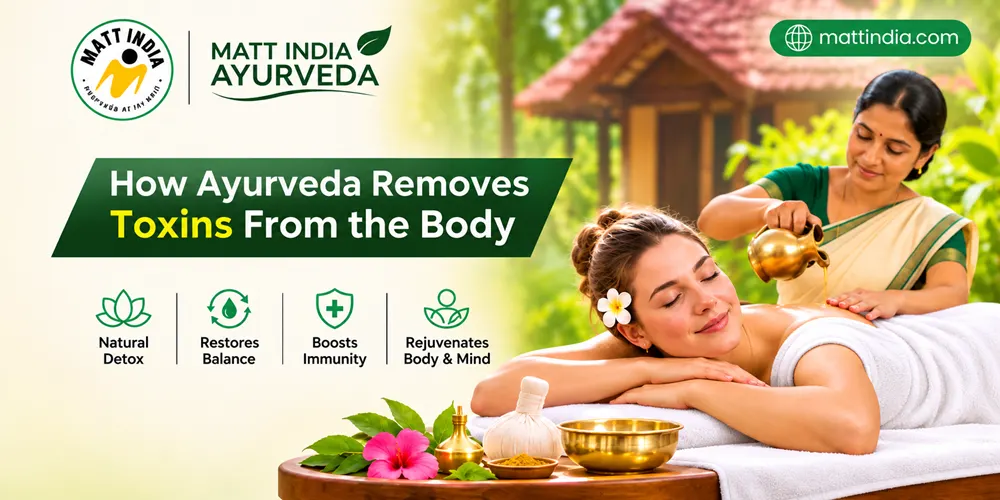
How Ayurveda Removes Toxins From the Body. The human body works every day to maintain its natural balance. However, unhealthy eating habits, poor sleep, stress, and a lack of physical activity can affect overall well-being. Ayurveda and natural detoxification have gained attention as traditional approaches to supporting a healthier lifestyle. Ayurveda focuses on digestion, daily routines, mindful eating, and individual body balance. Therefore, an Ayurvedic detox approach often involves more than simply drinking herbal beverages or following a short cleansing diet. It combines traditional wellness practices with healthy habits to support the body’s natural functions.
What Does Detoxification Mean in Ayurveda?
In Ayurveda, the concept of detoxification is closely connected with Ama, a traditional term used to describe accumulated undigested material or waste associated with poor digestion. Ayurvedic teachings suggest that weak digestive fire, known as Agni, may contribute to Ama formation.
According to this traditional system, balanced digestion supports the body’s overall condition. Therefore, Ayurvedic wellness practices focus on improving digestive habits, maintaining regular meals, and supporting balance among the three doshas: Vata, Pitta, and Kapha.
It is important to understand that the Ayurvedic concept of Ama does not directly equal medically identified toxins. In modern medicine, the liver, kidneys, lungs, and digestive system process and remove waste substances. Ayurvedic detox therapies have not been conclusively proven to remove unspecified toxins from the body.
How Ayurveda Supports Natural Detoxification
Ayurveda approaches detoxification through a combination of dietary guidance, lifestyle changes, and traditional therapies. These methods aim to support overall wellness rather than promise instant toxin removal.
1. Supporting Digestion Through Healthy Eating
Digestive health plays a central role in Ayurvedic wellness. Ayurveda encourages people to eat fresh, balanced meals and follow regular eating times. Furthermore, warm, easily digestible foods often feature in traditional dietary recommendations.
For example, cooked vegetables, rice, lentils, and suitable soups can form part of a balanced meal. In addition, reducing excessive fried foods, highly processed snacks, and overeating may help people maintain healthier eating habits.
A suitable diet depends on a person’s age, health, activity level, and nutritional needs. Consequently, strict food restrictions are not necessary for everyone.
2. Using Herbal Ingredients Carefully
Ayurveda traditionally uses herbs such as Triphala, Turmeric, Ginger, and Amla in different wellness preparations.
Triphala: A traditional blend of three fruits, often used in Ayurvedic digestive practices.
Turmeric: Commonly used in food and traditional preparations.
Ginger: Frequently included in meals and herbal drinks.
Amla: A fruit used in traditional Ayurvedic wellness practices.
These herbs may have certain biological effects, but their benefits depend on the preparation, dose, and individual health condition. Moreover, herbal products can interact with medicines or cause side effects. Therefore, consult a qualified healthcare professional before using Ayurvedic supplements, especially if you have an existing medical condition.
Related Articles:
» Abhyanga Massage in Kerala: Benefits for International Tourists
» Ayurveda Rejuvenation Therapy in Kerala: Treatments and Benefits
» How Abhyanga Helps Reduce Stress and Fatigue
» Ayurveda Rejuvenation Therapy: Benefits, Treatments, and Healing Process
» Ayurvedic Secrets to Overcoming Anxiety and Stress Naturally
3. Exploring Panchakarma Under Professional Guidance
Panchakarma is a traditional Ayurvedic treatment system involving specific procedures. Ayurvedic practitioners may recommend it after assessing a person’s health, constitution, and wellness goals.
Some procedures involve therapeutic elimination, massage, or other specialised practices. However, Panchakarma is not a simple home detox routine. Certain procedures may cause dehydration, electrolyte changes, or other complications when performed incorrectly.
For this reason, people should seek guidance from qualified practitioners and discuss the treatment with their healthcare provider. Additionally, avoid treatments that promise guaranteed toxin removal or rapid cures.
4. Maintaining Proper Hydration
Water supports several normal body functions, including digestion, circulation, and kidney function. Therefore, adequate hydration is an important part of a healthy lifestyle.
Ayurvedic routines may include drinking warm water, depending on personal preference. Nevertheless, warm water does not have a proven special ability to remove toxins compared with ordinary safe drinking water.
Drink water throughout the day according to your needs. However, people with kidney, heart, or other conditions that require fluid restrictions should follow their medical advice.
5. Improving Sleep and Daily Routine
Ayurveda places importance on Dinacharya, which refers to a traditional daily routine. Regular sleep, balanced meals, personal hygiene, and suitable physical activity are often included.
A consistent sleep schedule can help support energy, mood, and general health. Similarly, gentle exercise such as walking or yoga can support physical fitness and digestion.
Furthermore, reducing late-night screen use and managing stress may make it easier to maintain a balanced routine. These habits support wellness, although they should not be described as directly flushing toxins from the body.
Ayurvedic Detoxification and the Body’s Natural Systems
The body already has specialised systems for processing and removing waste. The liver helps metabolise substances, while the kidneys filter blood and remove waste through urine. In addition, the lungs remove carbon dioxide, and the digestive system eliminates waste through bowel movements.
Body system | Main natural function |
|---|---|
Liver | Processes substances and supports metabolism |
Kidneys | Filter blood and remove waste through urine |
Lungs | Remove carbon dioxide |
Digestive system | Breaks down food and eliminates waste |
Skin | Helps regulate body temperature through sweating |
Therefore, a sensible Ayurvedic wellness routine should complement these natural functions rather than replace them. There is no need to use extreme cleansing diets or harsh treatments to support general health.
Benefits of a Balanced Ayurvedic Wellness Routine
When people adopt healthy habits consistently, they may experience improvements in their general well-being. For example, balanced meals can support nutrition, regular exercise can improve fitness, and adequate sleep can help maintain energy.
Traditional Ayurvedic routines may also encourage people to pay closer attention to their daily habits. However, the benefits vary from person to person, and strong clinical evidence for Ayurvedic detoxification as a toxin-removal treatment remains limited.
At MATT INDIA AYURVEDA, individuals interested in traditional wellness approaches should seek personalised advice from qualified practitioners. A responsible approach considers medical history, current medicines, dietary needs, and personal health goals.
Safety Tips Before Starting an Ayurvedic Detox
Before following an Ayurvedic detox plan, consider these precautions:
Consult a qualified Ayurvedic practitioner and your healthcare provider.
Avoid prolonged fasting or highly restrictive diets without medical guidance.
Do not use unknown herbal mixtures or products with unclear ingredients.
Check that herbal products come from reliable manufacturers with quality testing.
Avoid self-administered purging, enemas, or other intensive cleansing procedures.
Inform your healthcare provider about all supplements and traditional medicines you use.
Some Ayurvedic products may contain harmful heavy metals, including lead, mercury, or arsenic. Therefore, product quality and professional guidance are essential. Pregnant or breastfeeding individuals, children, and people with chronic health conditions should take extra care.
Conclusion
How Ayurveda removes toxins from the body is best understood through its traditional focus on digestion, daily routines, balanced nutrition, and personalised wellness. Practices such as mindful eating, suitable herbal use, hydration, and healthy sleep may support general well-being. However, Ayurveda should not be presented as a proven method for eliminating unspecified toxins. The liver, kidneys, lungs, and digestive system already perform essential waste-processing functions. By combining safe lifestyle habits with professional advice, individuals can explore Ayurvedic wellness responsibly and support a healthier daily routine.
Social:
https://in.pinterest.com/pin/395261304821314919/
https://x.com/matt_india/status/2117898585908089223
https://www.linkedin.com/feed/update/urn:li:activity:7523667428720029696/
https://www.linkedin.com/feed/update/urn:li:share:7523668055370063872/

No comments:
Post a Comment