Showing posts with label ayurvedatourism. Show all posts

Wednesday, 14 October 2026

Why International Tourists Love Kerala Rejuvenation Retreats

Why International Tourists Love Kerala Rejuvenation Retreats

Why International Tourists Love Kerala Rejuvenation Retreats. Kerala has become a favourite destination for travellers who want more than a regular holiday. With its peaceful backwaters, green landscapes, tropical beaches, and traditional healing practices, the state offers a refreshing escape from busy city life. Moreover, its long association with Ayurveda attracts visitors who want to relax, improve their daily habits, and reconnect with themselves.

Kerala rejuvenation retreats combine traditional Ayurvedic therapies, nourishing food, gentle activities, and calming surroundings. As a result, international tourists can enjoy a different kind of travel experience that focuses on overall wellbeing rather than sightseeing alone.

At MATT INDIA AYURVEDA, visitors can explore the appeal of Kerala's traditional wellness culture while learning why so many travellers include Ayurveda in their holiday plans.

1. Kerala's Rich Ayurvedic Heritage

One of the main reasons international tourists choose Kerala is its deep-rooted Ayurvedic tradition. Ayurveda is a traditional Indian system of healthcare that considers lifestyle, diet, daily routines, and individual needs when planning wellness practices.

Kerala has a long history of Ayurvedic learning and treatment. Furthermore, many wellness centres offer consultations and traditional therapies under the guidance of trained practitioners.

Travellers often explore Ayurvedic rejuvenation in Kerala because it gives them an opportunity to experience a traditional Indian wellness system in its cultural setting. Instead of following a one-size-fits-all routine, a responsible practitioner can recommend suitable activities based on a visitor's health, comfort, and goals.

However, Ayurveda does not replace necessary medical care. International visitors should discuss existing medical conditions, allergies, and medicines with qualified healthcare professionals before beginning a treatment programme.

2. Peaceful Natural Surroundings Encourage Relaxation

Kerala's natural beauty makes its wellness retreats especially attractive. The state features coconut groves, quiet beaches, misty hills, rivers, and beautiful backwaters. Consequently, visitors can enjoy a slower pace of life while taking a break from everyday responsibilities.

Many Kerala wellness retreats sit away from crowded tourist areas. Therefore, guests can spend time in peaceful gardens, enjoy fresh air, listen to birds, or simply rest between scheduled activities.

In addition, the natural surroundings encourage visitors to reduce screen time and focus on the present moment. A morning walk, a quiet afternoon beside the water, or a relaxing evening outdoors can make a holiday feel more meaningful.

For international travellers who spend long hours working or travelling, this change of environment can be a welcome part of their overall wellness experience.

3. Traditional Ayurvedic Rejuvenation Therapies

Another important attraction is the range of traditional therapies available at Ayurvedic centres. Depending on the retreat, visitors may find oil massage, herbal applications, relaxation treatments, and other practices selected by a qualified practitioner.

These therapies often form part of a broader wellness programme rather than a single appointment.

Commonly offered treatments include:

  • Abhyanga: A traditional massage that uses oil and specific massage techniques.

  • Shirodhara: A traditional practice involving a steady stream of liquid, often oil, directed onto the forehead under suitable conditions.

  • Swedana: A traditional warming or sweating therapy that practitioners may recommend as part of selected treatment plans.

  • Herbal applications: Preparations used according to the treatment plan and the individual's needs.

However, not every therapy suits every person. Some treatments may carry risks for people with particular medical conditions, and evidence for specific health benefits varies. Therefore, visitors should choose reputable centres that explain their procedures, obtain informed consent, and screen guests before treatment.

Related Articles:

» Abhyanga Massage in Kerala: Benefits for International Tourists

» Ayurveda Rejuvenation Therapy in Kerala: Treatments and Benefits

» How Abhyanga Helps Reduce Stress and Fatigue

» Ayurveda Rejuvenation Therapy: Benefits, Treatments, and Healing Process

» Ayurvedic Secrets to Overcoming Anxiety and Stress Naturally

4. Personalised Wellness Programmes

International tourists often appreciate wellness experiences that recognise their individual needs. For this reason, reputable Ayurvedic retreats may begin with a consultation before suggesting a programme.

Practitioners may discuss daily routines, food preferences, activity levels, sleep habits, and general health concerns. Based on this information, they can recommend suitable therapies and lifestyle practices within their professional scope.

For example, one visitor may prefer gentle relaxation sessions, while another may want to learn about mindful eating and healthier daily routines. Similarly, some guests may enjoy yoga or breathing exercises, whereas others may prefer quiet time and light movement.

This personalised approach helps visitors understand their own wellness goals. Nevertheless, a responsible retreat should explain the limits of its services and avoid promising guaranteed cures for chronic illnesses.

5. Healthy Food and Traditional Kerala Cuisine

Food is another reason travellers enjoy Ayurvedic retreats in Kerala. Many centres serve meals inspired by local ingredients and traditional cooking methods.

Depending on the retreat, menus may include rice, vegetables, lentils, seasonal fruits, coconut-based dishes, and mild spices. In addition, some centres adapt meals to guests' dietary preferences or the recommendations of their practitioners.

Freshly prepared food can make the dining experience enjoyable, while regular meal times may help guests establish a more structured routine.

However, international visitors should communicate any food allergies, intolerances, religious dietary requirements, or medical restrictions before arrival. They should also check whether the retreat can accommodate vegan, vegetarian, gluten-free, or other specific diets.

A healthy holiday menu should be nourishing and appropriate for the individual, rather than unnecessarily restrictive.

6. Yoga, Meditation, and Stress Management

Modern travel can involve tight schedules, long flights, and constant digital communication. Therefore, many visitors welcome opportunities to slow down during a Kerala wellness holiday.

Some retreats include yoga, meditation, breathing exercises, or gentle stretching. These activities can help guests practise relaxation and develop habits they may continue at home.

Moreover, beginners can often find sessions designed for different experience levels. Visitors should inform instructors about injuries, mobility limitations, or other health concerns before joining a class.

Although yoga and meditation may support relaxation and general wellbeing, they do not guarantee freedom from stress or cure mental health conditions. When necessary, visitors should continue professional medical or psychological care.

7. An Authentic Cultural Experience

For many travellers, a wellness retreat offers more than physical relaxation. It also provides an opportunity to learn about Kerala's food, customs, local communities, and traditional approaches to health.

Guests may explore regional cuisine, visit nearby cultural attractions, or learn about the history of Ayurveda. Depending on the location, they may also experience local markets, traditional architecture, or scenic village surroundings.

Furthermore, staying at a locally operated retreat can introduce visitors to the people and traditions that make Kerala distinctive.

This cultural connection often makes the experience feel more personal than a standard hotel holiday. However, travellers should choose ethical providers that respect local communities and explain traditional practices accurately.

8. A Relaxing Alternative to a Busy Holiday

A conventional holiday may involve visiting several attractions in a short time. In contrast, Kerala rejuvenation retreats encourage guests to follow a more balanced schedule.

Instead of rushing between destinations, visitors can spend several days enjoying selected therapies, resting, eating regular meals, and exploring the surrounding area.

This slower pace can be particularly appealing to professionals, couples, solo travellers, and older adults who want a quieter travel experience.

Nevertheless, a retreat should not be viewed as a guaranteed medical solution. Its main appeal may lie in relaxation, cultural learning, and the opportunity to practise healthier routines.

9. How to Choose the Right Kerala Rejuvenation Retreat

Before booking, international tourists should compare the retreat's facilities, practitioner qualifications, treatment options, and accommodation standards.

The following table offers a practical starting point.

FactorWhat to check
Practitioner qualificationsRelevant training, credentials, and experience
Initial consultationHealth screening and personalised recommendations
Treatment safetyClear explanations, informed consent, and hygiene
AccommodationClean rooms, suitable facilities, and accessibility
FoodMenu options, allergies, and dietary requirements
Programme lengthA schedule that matches your time and comfort
PricingWritten details of treatments, meals, taxes, and extras
Medical supportClear procedures for emergencies and referrals

Additionally, read recent guest reviews and request a written itinerary before paying. If you have a medical condition or take prescription medicines, consult your healthcare professional before travelling for treatment.

International tourists should also check visa requirements, travel insurance coverage, cancellation policies, and any necessary vaccinations or travel health advice.

10. What to Expect During Your Stay

The daily routine varies from one retreat to another. However, a typical wellness-focused day may include a quiet morning, a suitable activity, a scheduled treatment, balanced meals, and time for rest.

Some programmes last only a few days, while others run for one or two weeks or longer. The appropriate duration depends on personal preferences, the retreat's services, and professional recommendations.

Visitors should avoid expecting dramatic results from a short stay. Instead, they can use the experience to learn about relaxation techniques, balanced routines, and practical habits that fit their lives after returning home.

Before departure, guests may ask for clear guidance about continuing suitable lifestyle practices. They should also obtain professional advice before continuing herbal preparations or treatments independently.

Conclusion

Kerala rejuvenation retreats appeal to international tourists because they bring together traditional Ayurvedic practices, natural beauty, nourishing food, and opportunities to slow down. Furthermore, they offer a chance to experience Kerala's cultural heritage while exploring new approaches to everyday wellbeing.

For the best experience, visitors should research their options carefully, choose qualified practitioners, and set realistic expectations. Ultimately, a thoughtfully planned stay at MATT INDIA AYURVEDA can help travellers enjoy Kerala's wellness culture while making informed choices about their health and relaxation.

Social:

https://in.pinterest.com/pin/395261304821171649/

https://x.com/matt_india/status/2110615226488078676

https://www.linkedin.com/feed/update/urn:li:activity:7516382063013330944/

https://www.linkedin.com/feed/update/urn:li:ugcPost:7513153475149676545/

https://www.facebook.com/ayurvedictreatmentcentre/posts/pfbid0Kt2gf6QL3tKgLu6JpxpsAyasC1CiqxmRndasG4TCDtJ9Hb4sqLBD44frjygww4f6l

Tuesday, 6 October 2026

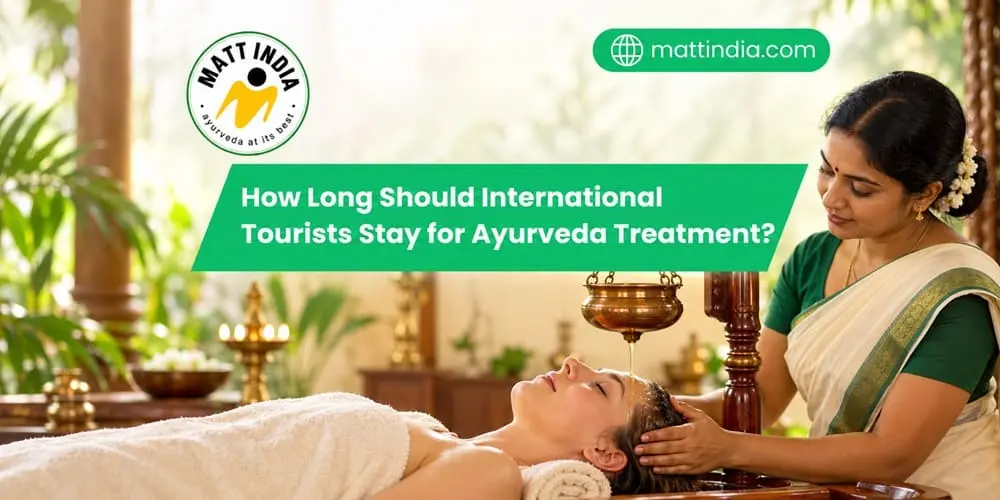
How Long Should International Tourists Stay for Ayurveda Treatment?

How Long Should International Tourists Stay for Ayurveda Treatment?

How Long Should International Tourists Stay for Ayurveda Treatment?. For international travellers, planning an Ayurveda treatment in Kerala is not only about choosing the right therapy. The length of your stay can also influence how comfortably you complete the treatment, follow the recommended diet and allow your body enough time to rest. Some visitors choose a short wellness programme, while others stay for several weeks for a more structured Ayurvedic care plan.

Kerala has a long-standing reputation for Ayurveda, and its tourism department lists recognised Ayurveda centres offering programmes ranging from a few days to several weeks. Therefore, there is no single duration that suits every international tourist. The right period depends on your health goals, treatment type, doctor’s assessment and travel schedule.

What Is the Ideal Duration for Ayurveda Treatment in Kerala?

For many international visitors, 7 to 14 days of Ayurveda treatment can be a practical starting point for wellness, relaxation and selected therapies. However, more intensive programmes may require a longer stay.

For example, Kerala Tourism lists Ayurveda programmes of 7 days and 10 days, while other recognised centres provide programmes lasting 14 or 21 days.

If your purpose is mainly relaxation and rejuvenation, a one-week programme may fit your travel plan. On the other hand, if you are travelling specifically for a structured therapeutic programme, your Ayurvedic physician may recommend staying for two to three weeks or more.

5–7 Days: Suitable for a Short Ayurveda Break

A 7-day Ayurveda treatment in Kerala can work well for tourists who have limited leave from work or want to combine wellness with sightseeing.

A short programme may include:

  • Ayurvedic consultation
  • Abhyanga or oil massage
  • Herbal therapies
  • Yoga and meditation
  • Ayurvedic diet
  • Relaxation therapies
  • Basic lifestyle guidance

Kerala Tourism has listed a seven-day rejuvenation programme that includes daily Ayurvedic treatments, yoga and meditation.

However, tourists should not expect every health concern to be addressed within one week. Short programmes are generally more suitable when the main goal is relaxation, rejuvenation or a general wellness experience.

10–14 Days: A More Balanced Choice

For many international Ayurveda tourists, 10 to 14 days provides a better balance between treatment and recovery. It gives the practitioner more time to observe how the individual responds to therapies and adjust the programme when required.

A 10-day Ayurveda programme is also offered through Kerala Tourism's accredited service-provider listings.

During a two-week stay, visitors may have enough time for:

  • Initial consultation and assessment
  • Personalised treatment
  • Ayurvedic diet adjustment
  • Yoga and breathing practices
  • Rest between therapies
  • Lifestyle counselling
  • Follow-up consultation

Moreover, international travellers often need a few days to adjust to the climate, food, time zone and daily routine. So, rushing through treatment is not always the best approach.

14–21 Days: Better for Structured Panchakarma

If you are considering Panchakarma treatment in Kerala, you may need a longer stay. Panchakarma is not simply a massage package. Kerala Tourism explains that the process has three broad stages: Purvakarma, the main treatment stage, and Paschatkarma, which includes diet, rest and lifestyle recommendations.

Kerala Tourism notes that Panchakarma is usually carried out over around 21 days, although treatment can be customised according to the individual. 

A longer stay may therefore be more suitable when a visitor has specifically travelled for a physician-supervised Panchakarma programme.

Related Articles:

» Why Kerala is the Best Destination for Ayurveda Treatments

» Ayurvedic Treatments for Back Pain and Spine Health

» Ayurveda for Skin: Natural Treatments for Radiant Skin

» How Ayurveda Helps You Achieve Mental Clarity and Peace?

» Ayurveda Treatment for Stress, Digestion and Overall Wellness

Why Treatment Duration Differs From Person to Person

There is no fixed Ayurveda treatment duration for everyone. Ayurveda traditionally considers the individual's condition, constitution, age, lifestyle and treatment requirements before recommending therapies.

The duration can depend on:

1. Your Main Health Goal

Someone visiting Kerala for stress relief may need a shorter wellness programme. A person seeking a longer therapeutic programme may require additional time.

2. The Type of Treatment

A simple rejuvenation programme can be relatively short. In contrast, Panchakarma and other structured therapies can involve preparation, treatment and recovery stages.

3. Your Doctor's Assessment

An Ayurvedic physician should determine the appropriate treatment plan after consultation. Visitors should avoid selecting intensive therapies simply because they are popular with tourists.

4. Your Previous Health and Lifestyle

Your existing routine, diet, sleep pattern and general condition can influence how the treatment is planned. International visitors should share relevant medical information with their practitioner before starting treatment.

Should You Add Extra Days to Your Kerala Trip?

Yes, adding a few additional days can make the trip more comfortable.

For example, instead of booking exactly seven days from airport arrival to airport departure, some travellers may prefer to keep additional time for arrival, consultation and recovery. This also reduces the pressure of travelling immediately after intensive therapies.

Furthermore, Kerala offers opportunities to combine wellness with a peaceful holiday. Visitors can spend their free time enjoying the backwaters, beaches, hill stations or local culture rather than filling every day with sightseeing.

The important point is to avoid treating an Ayurveda programme like a standard holiday itinerary. Rest can be part of the experience.

Ayurveda Treatment vs Ayurveda Wellness Holiday

These two experiences are often confused.

An Ayurveda wellness holiday in Kerala may focus on relaxation, yoga, healthy food, massage and general rejuvenation. Such programmes can sometimes fit into a few days or one week.

A more structured Ayurvedic treatment programme, meanwhile, may require regular consultations and a carefully planned schedule. Some recognised Kerala centres advertise programmes lasting one to three weeks.

Therefore, tourists should first decide whether they are coming mainly for wellness or for a specific treatment objective.

A Simple Duration Guide for International Tourists

Purpose of VisitSuggested StaySuitable For
Short wellness break3–7 daysRelaxation and basic rejuvenation
Ayurveda rejuvenation7–10 daysGeneral wellness and stress relief
Structured wellness programme10–14 daysVisitors wanting more time for therapies
PanchakarmaAround 14–21 days or as advisedMore intensive Ayurvedic programmes
Extended therapeutic care3+ weeksCases requiring longer physician-supervised care

These are general planning ranges, not medical prescriptions. The final duration should be decided after consultation with a qualified Ayurvedic practitioner.

Why Kerala Is a Popular Choice for International Ayurveda Travellers

Kerala provides a combination of traditional Ayurveda, trained practitioners, dedicated treatment centres and a naturally relaxing environment. The Kerala Tourism Department maintains listings of recognised Ayurveda centres, including centres classified under its Ayurveda accreditation system.

For an international visitor, this can make the planning process easier. Still, it is wise to check the centre's qualifications, treatment details, accommodation, food arrangements and consultation process before booking.

At MATT INDIA AYURVEDA, international visitors can plan their Ayurveda journey around their health goals, available travel time and treatment requirements. Instead of selecting a package only because it has a particular number of days, discuss your needs with the Ayurveda team first.

Conclusion

So, how long should international tourists stay for Ayurveda treatment? For a general wellness experience, 7 to 10 days may be suitable. For a more complete rejuvenation programme, 10 to 14 days can provide additional time. If Panchakarma or a more intensive treatment is planned, around 14 to 21 days may be more appropriate, depending on the doctor's advice.

Most importantly, don't rush your Ayurveda journey. Give your body time to adapt, receive the therapies properly and follow the recommended food and lifestyle routine. A well-planned stay can make your Kerala Ayurveda treatment more comfortable and meaningful.

Social:

https://in.pinterest.com/pin/395261304821106955/

https://x.com/matt_india/status/2107417153045664161

https://www.linkedin.com/feed/update/urn:li:share:7513194608269414400/

https://www.linkedin.com/feed/update/urn:li:share:7513194531975241728/

https://www.facebook.com/ayurvedictreatmentcentre/posts/pfbid02NudixB5fCYokXx3XN1CgB7cTsPBdVWCLQvt4pc4CcZMEhzkYS2LwDRzm2VBDkPHhl

Sunday, 4 October 2026

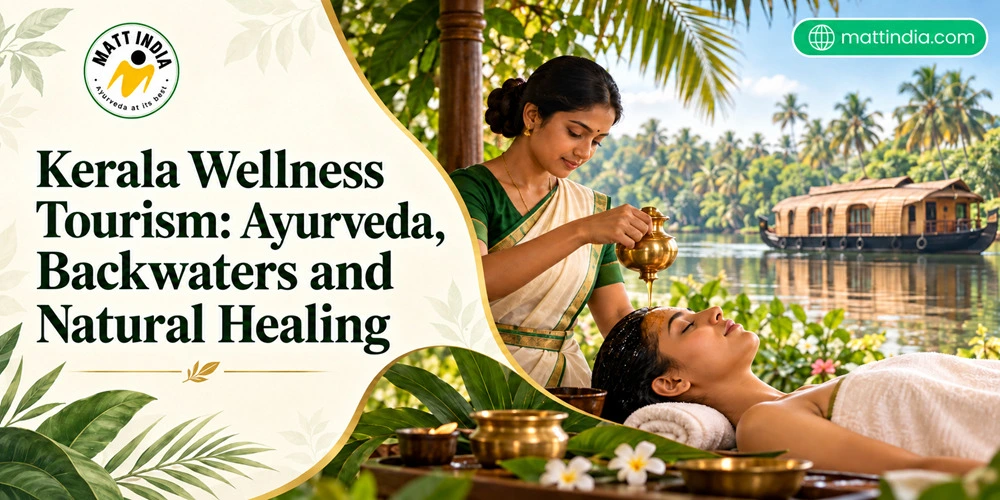
Kerala Wellness Tourism: Ayurveda, Backwaters and Natural Healing

Kerala Wellness Tourism: Ayurveda, Backwaters and Natural Healing

Kerala Wellness Tourism: Ayurveda, Backwaters and Natural Healing. Kerala has become a popular destination for travellers who want more than sightseeing. Instead of rushing between attractions, many visitors now prefer holidays that support relaxation, healthy routines and personal wellbeing. This is where Kerala wellness tourism offers something special. The state combines traditional Ayurveda, peaceful backwaters, green landscapes, yoga, nourishing food and nature-based experiences in one destination.

Moreover, Kerala’s natural surroundings create a calm setting for a wellness break. Its beaches, forests, hills and waterways provide different environments where visitors can slow down and reconnect with themselves. Kerala Tourism also promotes Ayurveda, yoga retreats and wellness resorts as important parts of the state’s tourism experience.

Why Kerala Is Ideal for Wellness Tourism

Wellness is not only about spa treatments. It also involves sleep, food, movement, relaxation and mental balance. Therefore, Kerala wellness tourism takes a broader approach by combining traditional practices with peaceful travel experiences.

The state has a strong connection with Ayurveda and natural healing. At the same time, its tropical environment gives travellers opportunities to spend time outdoors. A quiet morning beside a lake, a gentle yoga session, a nourishing Ayurvedic meal or a walk through a green landscape can make a holiday feel very different from a normal sightseeing trip.

Furthermore, many wellness centres operate in scenic locations, allowing visitors to enjoy treatments while staying close to nature.

Ayurveda: The Heart of Kerala Wellness

Kerala Ayurveda remains one of the biggest reasons wellness travellers choose the state. Ayurveda focuses on maintaining balance and supporting overall wellbeing through traditional approaches involving diet, lifestyle, herbal preparations and therapies.

Kerala has developed a strong reputation for Ayurvedic practices over generations. Kerala Tourism describes Ayurveda as an ancient holistic system concerned with health and wellbeing, while the state offers dedicated Ayurveda centres and wellness retreats.

Depending on individual needs, an Ayurvedic programme may include:

  • Ayurvedic massage
  • Abhyanga
  • Shirodhara
  • Herbal therapies
  • Yoga and meditation
  • Traditional dietary guidance
  • Panchakarma-based programmes under professional supervision

However, visitors should not select intensive treatments simply because they are popular. A qualified Ayurvedic practitioner should assess individual needs and recommend suitable therapies.

The Role of Panchakarma in Wellness

Panchakarma in Kerala attracts visitors who want a more structured Ayurvedic experience. It is traditionally associated with specialised Ayurvedic procedures and requires professional assessment and supervision.

Rather than treating Panchakarma like a regular spa package, travellers should view it as a personalised Ayurvedic programme. The duration, therapies and preparation can differ from person to person.

Consequently, anyone considering Panchakarma should choose a reputable centre with qualified practitioners. Kerala Tourism has a classification system for Ayurveda centres, including Ayur Silver, Ayur Gold and Ayur Diamond categories, designed around defined facilities and service standards. 

Kerala Backwaters and Mental Relaxation

The Kerala backwaters provide another important part of the wellness experience. Places such as Alleppey, Kumarakom and surrounding waterways offer a slower pace that feels naturally calming.

A houseboat journey allows travellers to watch villages, coconut palms, birds and everyday life along the waterways. Instead of following a packed sightseeing schedule, visitors can simply enjoy the changing scenery.

Additionally, backwater destinations can complement an Ayurvedic retreat. For example, Kerala Tourism highlights wellness experiences around Kumarakom, where visitors can combine backwater surroundings with traditional Ayurveda.

This combination is one reason Ayurveda and backwaters in Kerala work so well together. One supports a structured wellness routine, while the other encourages rest and quiet observation.

Related Articles:

» Why Kerala is the Best Destination for Ayurveda Treatments

» Ayurvedic Treatments for Back Pain and Spine Health

» Ayurveda for Skin: Natural Treatments for Radiant Skin

» How Ayurveda Helps You Achieve Mental Clarity and Peace?

» Ayurveda Treatment for Stress, Digestion and Overall Wellness

Natural Healing Through Kerala's Landscapes

Nature itself plays an important role in a wellness holiday. Kerala offers beaches, forests, hills, rivers, waterfalls and backwaters within a relatively compact geographical area.

Travellers can therefore create different types of wellness experiences. Someone seeking silence may prefer a forest or hill retreat. Another visitor may enjoy the sea breeze at Kovalam or Varkala. Meanwhile, Kumarakom and Alleppey suit travellers who prefer peaceful water-based surroundings.

Moreover, spending time outdoors can encourage simple healthy habits such as walking, breathing fresh air, reducing screen time and maintaining a slower daily routine.

Yoga and Meditation in Kerala

Yoga and meditation in Kerala naturally complement Ayurveda. Many wellness retreats include gentle yoga, breathing exercises and meditation as part of their programmes.

For beginners, a short daily session can be enough to introduce a calmer routine. Experienced practitioners may prefer longer retreats with structured schedules.

Most importantly, yoga should match the visitor’s ability. Beginners should avoid forcing difficult postures simply because they appear impressive. A trained instructor can help create a safer and more comfortable practice.

Ayurvedic Food and Healthy Eating

Food also contributes to the Kerala wellness experience. Traditional Kerala cuisine uses ingredients such as coconut, vegetables, rice, spices and herbs. Ayurvedic programmes may provide personalised meals based on the recommendations of an Ayurvedic practitioner.

Instead of focusing only on restrictive diets, wellness travel can encourage mindful eating. Eating slowly, choosing fresh foods and maintaining regular meal timings can make the experience more balanced.

Of course, dietary needs vary. Visitors with allergies, medical conditions or specific dietary restrictions should discuss their requirements with the centre before booking.

Popular Kerala Wellness Destinations

Different parts of Kerala offer different wellness experiences:

DestinationWellness Experience
KumarakomBackwaters, Ayurveda and nature
AlleppeyHouseboats and peaceful waterways
KovalamAyurveda, beach relaxation and yoga
VarkalaBeach, yoga and wellness retreats
ThekkadyForest surroundings and nature-based relaxation
WayanadHills, greenery and quiet retreats

Kerala Tourism maintains information on approved Ayurveda centres, with classified facilities located across several districts. Therefore, travellers can research recognised options before choosing a wellness programme.

How to Choose an Ayurveda Wellness Retreat

Choosing the right retreat matters because wellness programmes can vary significantly. First, check whether the centre has appropriately qualified Ayurvedic professionals. Next, understand what the package actually includes.

Consider these points before booking:

  1. Practitioner consultation
  2. Treatment duration
  3. Type of Ayurvedic therapies
  4. Accommodation standards
  5. Food and dietary options
  6. Yoga or meditation sessions
  7. Emergency and medical support
  8. Centre accreditation or classification
  9. Treatment costs
  10. Reviews and service reputation

Also, ask questions before making payment. A genuine wellness provider should explain the programme clearly rather than promising unrealistic results.

Benefits of Combining Ayurveda with Nature

The biggest strength of Kerala natural healing tourism lies in its combination of experiences. Ayurveda can provide a structured wellness routine, while nature offers a peaceful environment around it.

For instance, a traveller might begin the morning with yoga, enjoy a healthy breakfast, attend an Ayurvedic consultation, receive a suitable therapy and spend the evening beside a backwater. Such a schedule feels less like a conventional holiday and more like a chance to reset daily habits.

Furthermore, this slower style of travel can help visitors spend more meaningful time with local culture, food and surroundings.

Planning a Kerala Wellness Holiday

A wellness holiday should not feel rushed. Ideally, travellers should leave enough time between treatments and sightseeing activities. A short trip may focus on relaxation, while a longer stay can include a structured Ayurvedic programme.

Before travelling, discuss existing health concerns and medications with qualified healthcare professionals and the Ayurvedic centre. Ayurveda should not replace necessary medical treatment or prescribed medicines.

Kerala’s wellness sector continues to receive attention from tourism and health authorities. In 2026, the Government of India highlighted Kerala’s role in Ayurveda tourism as part of broader efforts to promote Ayush-based tourism and wellness travel. 

Conclusion

Kerala wellness tourism brings together Ayurveda, backwaters, yoga, healthy food and natural surroundings in a way that feels both traditional and refreshing. Instead of filling every hour with sightseeing, visitors can create space for rest, reflection and healthier routines.

From Ayurvedic wellness retreats in Kerala to peaceful houseboat journeys, the state offers many ways to experience wellbeing. Most importantly, choosing a reputable centre and following professionally recommended treatments can make the journey more comfortable and meaningful.

For travellers looking to combine traditional wellness with the beauty of nature, Kerala remains a destination where healing, culture and travel can come together naturally.

Social:

https://au.pinterest.com/pin/395261304821097582/

https://x.com/matt_india/status/2106969813021270153

https://www.linkedin.com/feed/update/urn:li:activity:7512736489018163200/

https://www.linkedin.com/feed/update/urn:li:share:7512736838894133248/

https://www.facebook.com/ayurvedictreatmentcentre/posts/pfbid02JeAQeTa9qUEWuNF6NyWoRxFz6SU68rN7TrRYwmwxprxKHFZqhsTjyoGn2aqZ3Xt2l

Monday, 30 September 2019

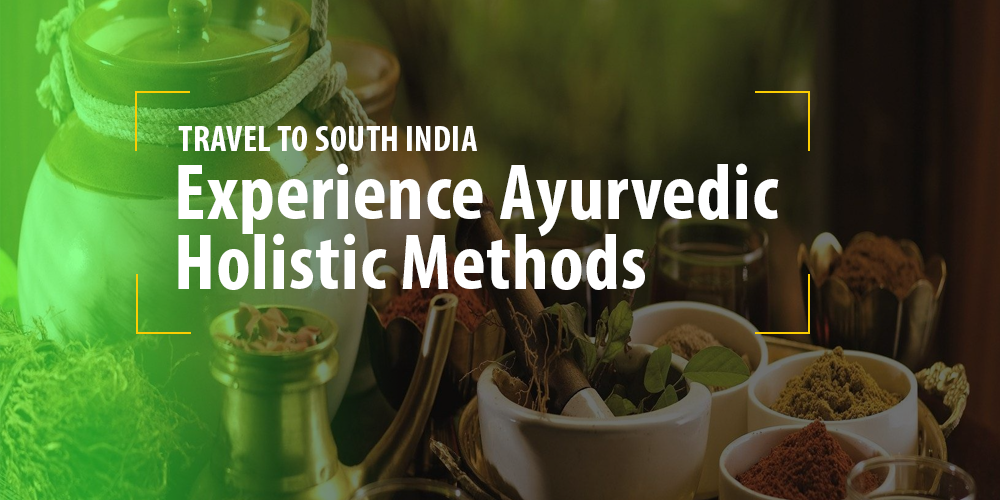
Travel to South India & Experience Ayurvedic Holistic Methods


South Indian tour is its offering rejuvenating treatments of Ayurvedic science which is being practiced here for over 5,000 years. 

Read more https://www.mattindia.com/south-india-travel-experience-ayurvedic-holistic-methods/ 

Matt India brings to you effective Ayurveda treatment for all kinds of Disorders